



12 Strategic Insights for Modern Maintenance in Oil & Gas
Technology is reshaping the oil and gas sector, turning maintenance into a decisive lever for competitive advantage. Modern CMMS solutions now drive throughput, reduce downtime, and increase output across production facilities.
During the 2019 Digital Transformation in Oil and Gas Conference, Fiix’s Sandy D’Souza (Director of Strategic Alliances) and Stuart Fergusson (Solutions Engineering Lead) presented a webinar that unpacked how maintenance technology can elevate asset performance. Though the discussion focused on oil and gas, the principles apply to any industry seeking operational excellence.
Below are 12 key takeaways from that session and additional guidance on embracing modern maintenance.
Improving Asset Performance in Oil & Gas and Beyond
1. The Higher‑Level Benefits of Modern Maintenance
D’Souza outlined three core benefits that drive investment in maintenance software: higher throughput, increased output, and less downtime. These advantages translate directly into more predictable, higher production—an outcome that matters to every stakeholder.
Technology is a game‑changer for today’s production facilities looking to wring more value from their operations. Maintenance has become a key battlefield in this fight for a competitive edge.
2. The Missing Link Has Been Found
Industry 4.0’s promise of predictive maintenance hinges on data. While maintenance data has always existed, it was historically difficult to collect, share, and analyze. Modern CMMS platforms now bridge maintenance, production, and business systems, making predictive maintenance far more attainable.
3. “Excellence Is a Habit, Not an Act.”
Digital transformation is an ongoing journey, not a one‑off project. Transitioning from paper‑based, reactive maintenance to automated, predictive systems requires incremental gains and sustained commitment.

4. The Best and the Rest
Teams typically fall into either run‑to‑failure or best‑in‑class preventive maintenance. About 50% of organizations still rely on run‑to‑failure. However, maintenance software is narrowing the gap by offering real‑time sensor data and advanced analytics.
5. A Maintenance Dream Team
D’Souza and Fergusson identified three pillars of success: data, software, and connectivity. Reactive teams struggle with limited data, paper processes, and siloed systems. Predictive teams thrive when they capture key data, deploy the right software, and connect systems for holistic analysis.
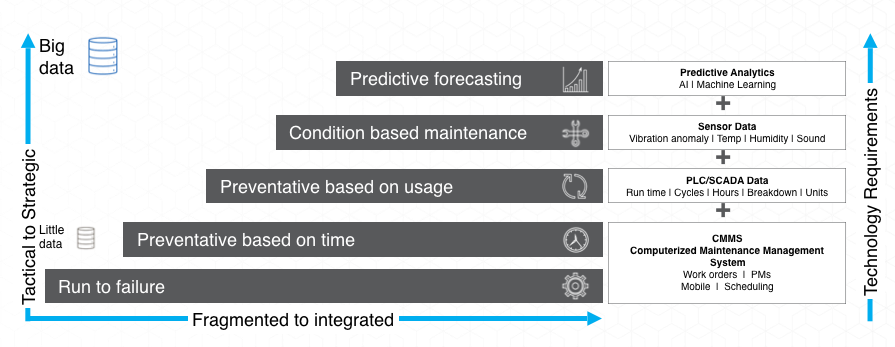
6. Picky Is the Key to Modern Maintenance Success
Choosing a CMMS demands careful evaluation of user adoption and data integrity. Opt for a solution that technicians can learn quickly and that integrates seamlessly with enterprise systems to capture accurate, high‑quality data.
7. The Good Kind of Failure
Instead of eradicating run‑to‑failure, focus on aligning the right maintenance strategy with each asset. High‑quality data informs those decisions, allowing you to accept only the downtime that is strategically justified.
8. Connecting the Dots on Integration
Integrations connect a CMMS to both production and enterprise systems. Production systems include PLCs and SCADA, while enterprise systems cover ERP and other business software. These bridges provide a 360° view of equipment health and synchronize maintenance with business objectives.
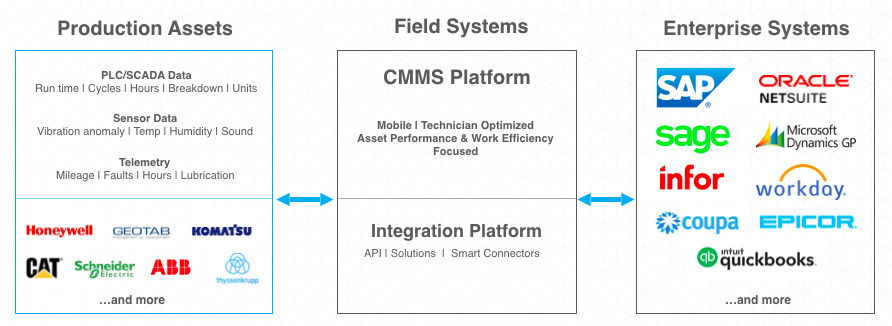
9. Slow and Steady Wins the Race
Jumping straight from reactive to predictive maintenance is unrealistic. Begin by assessing current data and processes, then digitize and structure your maintenance program. From there, develop mid‑term and long‑term modernization plans.
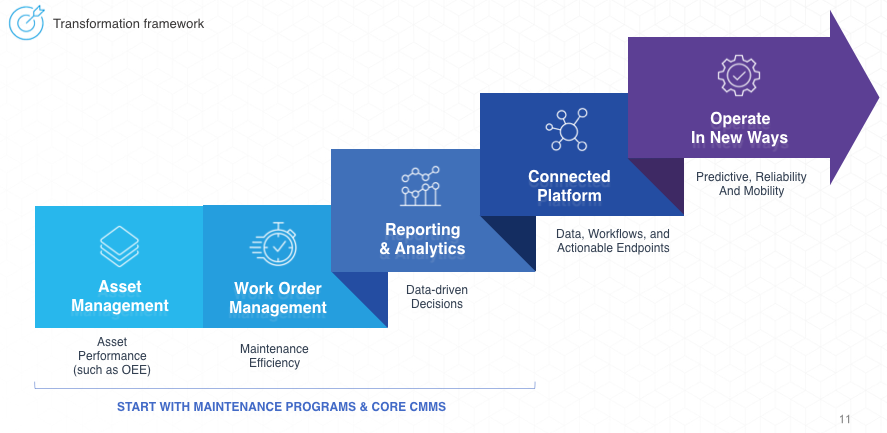
10. Start with the Fundamentals
Anchor your maintenance evolution around two core metrics: Planned Maintenance Percentage and PM Compliance. Understanding these baseline indicators enables the development of more sophisticated preventive programs.
11. There’s Strength in Numbers
The ideal number of CMMS users depends on your maintenance objectives. For example, if reducing downtime is the goal, all personnel with a direct impact—technicians, managers, supervisors, and inventory staff—should have system access.
12. A Checklist for Digital Transformation
D’Souza and Fergusson concluded with a five‑step checklist for successful digital transformation:
- Start Right: Align business needs, engage stakeholders, and partner with a trusted vendor.
- Use Data: Identify key data sources, set KPIs, and ensure data is clean and actionable.
- Manage Change: Empower users, maintain communication, and provide continuous training.
- Implement Carefully: Define roles, populate data, and prioritize adoption.
- Expand: Integrate systems, develop reports, analyze work, and refine processes.
Equipment Maintenance and Repair
- Data‑Driven Insights: How Maintenance Is Evolving in 2024
- Reviving Maintenance: From Obsolescence to Sustainable Excellence
- How a CMMS Boosts Technician Productivity in Oil & Gas Operations
- Harnessing IoT to Transform Oil & Gas Operations
- Shaping the Future of Maintenance in Metals & Mining
- Leveraging Data Analytics to Drive Efficiency and Profitability for Oil & Gas Asset Owners
- Smart Gas Monitoring: Key Safety Benefits for the Oil & Gas Sector
- Asset Monitoring: Driving Efficiency in the Oil & Gas Sector
- High-Performance Turning Machines for Oil & Gas Threading Applications
- Premium Brakes, Clutches & Friction Materials for Oil & Gas Operations