



Predict Bearing Failures and Optimize Lubrication Film Thickness
Electric motor bearings are a critical component of any industrial operation. Maintaining them—either by relubricating or replacing—ensures uninterrupted performance and protects the bottom line.
Prolonging the life of electric motors saves money and avoids the costly surprises that arise when a bearing fails. Condition monitoring—using ultrasonics, temperature, vibration, or shock‑pulse analysis—is essential for reliable asset management.
Lubrication is the first line of defense. The film of oil or grease that separates rolling elements from raceways keeps a bearing running smoothly. Without a proper film thickness, wear accelerates and failures occur.
Lubrication Film Thickness: What Matters
Debates persist about how much lubricant to use, how often to apply it, and which products are best for a given bearing. Figure 1 illustrates the key parameters that influence film quality and thickness, even in “sealed‑for‑life” bearings. Knowing how much lubricant remains in a sealed unit can mean the difference between uptime and unscheduled shutdowns.
Distinguishing between surface damage and insufficient film thickness is a measurable and actionable difference. When you can quantify the film, you can predict failures before they happen.
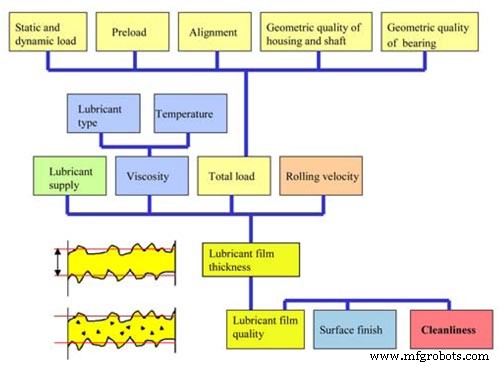
Figure 1. Key parameters affecting lubrication film thickness in rolling‑element bearings.
Case Study 1 – Maxim Corporation
- Scrubber that cleans contaminated water before discharge.
- Four ¾‑hp motors with integral “C”‑face impeller pumps on PVC piping.
- All motors operated simultaneously (Figure 2).
During a routine inspection, a loud bearing noise was detected, but its source was unclear. Quick measurement revealed a failed 6204.2RS sealed bearing costing only $9. After the bearing froze and tripped the motor, the plant’s capacity dropped by 25 %. An EPA inspector discovered that the water treatment failed to meet discharge standards, resulting in a $32 000 fine. Had condition monitoring been in place, the downtime and penalty would have been avoided.
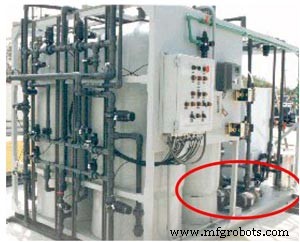
Figure 2. Four motors powering the water scrubber.
Case Study 2 – Laprino Foods
- 700‑hp ABB motor driving a milk‑dehydration fan.
ABB recommends shock‑pulse monitoring for their motors. A new motor failed within warranty when its bearing froze and twisted the shaft—no lubrication had entered the bearing. Maintenance logs confirmed that greasing had followed the schedule, but a manufacturing error had misaligned the grease pathway, preventing oil from reaching the bearing. By applying grease directly to the zerk while the motor ran, the system confirmed the lubricant was reaching the bearing and measured the film thickness accurately.
ABB honored the warranty, repaired the motor, and installed an online monitoring system (MG‑4) that now continuously tracks bearing health.
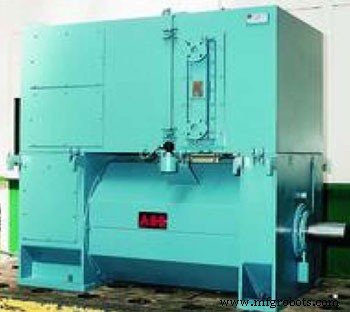
Figure 3. ABB motor equipped with an online monitoring system.
Case Study 3 – Evanite Fiber Corporation
- 125‑hp motor driving an exhaust fan for a spun‑glass filter process.
- The issue involved a fan shaft bearing, not the motor itself.
A common installation fault that reduces film thickness is over‑tightening the tapered adapter on a double‑row spherical roller bearing in a pillow block. Over‑tightening eliminates the internal clearance, forcing the bearing into a low‑film‑thickness condition. Even with normal vibration readings, the reliability of the equipment is compromised. Measuring film thickness at startup, without establishing a baseline, can expose this hidden problem.
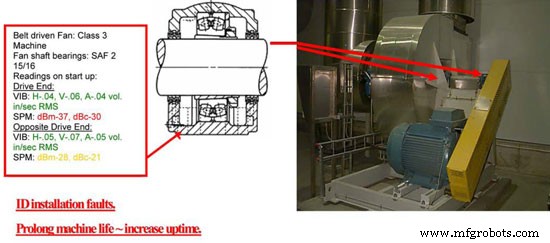
Figure 4. Tapered adapter holding a double‑row spherical roller bearing.
Case Study 4 – Superior Lumber Company
- 25‑hp motor driving an edger in a sawmill.
Foot‑mounted, vertically mounted motors experience higher thrust loads and can lose lubricant through the bearing’s open or shielded faces. A sealed bearing on its side retains lubricant in the lower half, but all balls load on one side, increasing radial and thrust stresses. In this orientation, more frequent lubrication than the manufacturer’s schedule may be necessary.
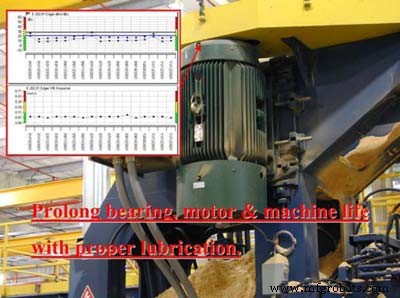
Figure 5. Vertically mounted motor bearing experiencing increased thrust loads.
Conclusion
Measuring lubrication film thickness is indispensable for asset management and machine reliability. Early detection of under‑ or over‑lubrication, incorrect lubricant selection, installation faults, or contamination allows you to intervene before a bearing fails.
Even a sealed bearing can lose its protective film; knowing its thickness enables you to apply lubrication only when truly needed. Automatic lubrication systems, guided by real‑time film‑thickness data, can deliver the optimal amount of lubricant at precisely the right moment. This practice not only extends bearing life but also protects your bottom line.
Equipment Maintenance and Repair
- The Science and Craft of Photographic Film: From Chemistry to Future Innovations
- Predictive Maintenance: The Critical Role of Trend Analysis in Vibration Diagnostics
- SKF Shares Expert Tips for Troubleshooting Bearing Temperature Issues
- The 10‑Second Indicator That Reveals Your Maintenance Program’s Health
- Eliminating Bearing Failures: How Strategic Partnerships Boosted Reliability and Saved $230K
- Measuring Solder Mask Thickness: A Practical Guide
- Top 8 CNC Machine Failures & Expert Troubleshooting Guide
- How to Choose the Best Bronze Bearing Materials for Your Equipment
- Expert Sheet Metal Bending Design Tips: Shape, Strength, and Precision
- Laser Sintering Design: Mastering Wall Thickness for Superior 3D Prints