



Root Cause Analysis: Strengthening Plant Reliability
As autumn deepens, the focus on plant reliability should be as decisive as a championship game. While fans cheer their teams, industry professionals can champion their operations through rigorous Root Cause Analysis (RCA).
Reliable Plant magazine recently surveyed nearly 600 reliability practitioners. The results were striking: 77.5% of respondents actively conduct RCA within their organizations. Yet, safety was not the top driver for initiating these investigations.
This strong uptake confirms that RCA is not just a buzzword—it’s a proven tool for enhancing reliability. We are excited to present a full analysis of these findings at Reliable Plant's upcoming conference, "Root Cause Analysis: Successful Applications for Plant Reliability," scheduled for December 11‑13 in Houston.
RCA is a systematic process that digs beneath surface symptoms to eliminate problems entirely. Unlike blaming individuals, RCA seeks to understand the underlying causes—often multiple contributors—so that corrective actions address the root, not the rash.
Below are four essential principles for effective RCA practice:
1. Blame Is Not the Goal
RCA’s purpose is to improve systems, not to assign fault. Only in cases of intentional sabotage should responsibility be pursued. Most reliability failures stem from unintentional, systemic issues.
2. The “Smoking Gun” Is Rare
In practice, RCA usually involves eliminating unlikely causes, narrowing down to a manageable set of contributing factors. This process often relies on abductive reasoning—making educated leaps when data is incomplete.
3. Link RCA to FMEA
Failure Mode and Effects Analysis (FMEA) should not be archived after completion. Instead, RCA findings must feed back into the FMEA log, updating risk priority numbers (RPN) and uncovering new failure modes. This iterative loop fuels continuous improvement.
4. Address Both Major and Minor Failures
While high‑impact incidents attract immediate RCA attention, frequent low‑severity failures (the “bad actors”) accumulate cost and risk. A robust failure reporting system is essential to capture and analyze these events.
In short, more than 80% of survey respondents rank RCA among the best tools for plant reliability management. It’s time to move beyond cheering for reliability—let’s implement RCA with confidence and expertise.
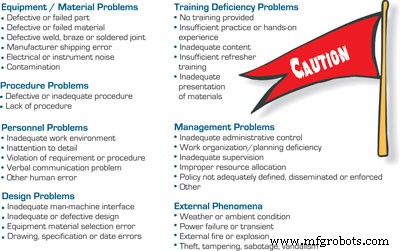
Figure 1. Cause categories defined in Standard DOE-NE-1004-92.
Equipment Maintenance and Repair
- Root Cause Failure Analysis: A Proven Approach for Manufacturing Excellence
- Root Cause Assessment Methods: A Professional Guide to Reliability Improvement
- Avoiding Common Pitfalls in Root Cause Analysis: A Practical Guide
- Master Root Cause Analysis with the 5 Whys: A Lean Tool Explained
- Root Cause Analysis & Prevention: A Reliable Approach
- Choosing the Ideal Root Cause Analysis Tool for Operators
- Former Intel Engineer Shares Proven Root Cause Analysis Techniques
- Mastering Root Cause Analysis with the 5 Whys Technique
- Root Cause Analysis for Manufacturers: The Definitive, Actionable Guide
- Unlocking Solutions: How Root Cause Analysis Drives Sustainable Success