



Why Hollow‑Shaft Torque Motors Are Transforming Machine Drives
Modern machine designers face a complex array of demands—energy efficiency, rapid assembly, vendor consolidation, and minimal footprint. Meeting these goals requires solutions that deliver high torque, precise motion, and low maintenance without the penalties of traditional gearboxes.
Hollow‑shaft torque motors, a variant of permanent‑magnet synchronous drives, have evolved into a powerful option for a wide range of applications—from extrusion heads and packaging rolls to high‑speed printing presses and machine‑tool rotary tables.
Unlike conventional motor‑gearbox combinations, torque motors are direct‑drive units that place the rotor directly on the machine shaft. This eliminates backlash, reduces friction, and cuts the number of moving parts in half, leading to higher reliability and easier service.
Two configurations are common today:
- Complete torque motor – a self‑contained unit that mounts directly to the shaft. Ideal for extruders, injection‑molding feed heads, papermaking rollers, and textile web stretchers.
- Built‑in torque motor – stator and rotor are integrated into the machine frame. Preferred for machine‑tool tables, dynamic tool turrets, printing press cylinders, and foil‑stretching chill rolls.
Both types feature a hollow shaft that allows media or ancillary components to pass through the rotor cavity, providing additional flexibility in machine layout.
Key technical advantages include:
- High torque density for a small footprint.
- Direct load control delivers exceptional rotational accuracy and repeatability.
- Elimination of gearboxes and belts saves space and simplifies design.
- Fewer drivetrain parts translate to lower maintenance.
- Mechanical losses are virtually eliminated, yielding energy‑efficiency gains of 10% over geared motors and up to 70% over hydraulic drives.
Although the upfront cost of torque motors can exceed that of geared units, most applications see a payback of three to four years through energy savings alone—without counting the reduced installation time, maintenance, and vendor footprint.
In a multi‑layer blown‑film line, torque motors can cut the extrusion section’s footprint by 50%, freeing production space and increasing throughput per square foot.
Recent designs withstand corrosive environments—water‑cooled motors meet IP54 ratings and can tolerate overloads up to 2.5× rated torque, making them suitable for paper mills and other harsh settings.
Applications that have benefited from torque motors include:
- Stretched‑film chill rolls, pull rolls, and winders—improved speed control reduces web cracks and enables 10× tighter thickness control.
- High‑speed indexing tables and injection‑molding machines—direct drives boost production by 25–30% in cyclic processes.
- Printing presses and foil‑stretching equipment—precise motion enhances print quality and reduces waste.
Modern torque motors also feature advanced control options such as absolute or incremental encoders, electronic nameplates for rapid commissioning, horizontal or vertical mounting, axial thrust bearings, and phase‑specific PTC resistors alongside KTY thermistors for optimal temperature monitoring.
The integration of these drives requires a holistic mechatronic approach—combining mechanical, electrical, and electronic engineering—to select the right encoder placement, assess dynamic forces, and validate performance through simulation before the machine is built. This comprehensive process reduces risk and accelerates time to market.
In a landscape where cost containment, energy efficiency, and productivity are paramount, hollow‑shaft torque motors offer a compelling blend of flexibility, reliability, and performance. They are increasingly becoming the drivetrain of choice for new machines, retrofits, and rebuilds across a spectrum of industries.
For more information, contact Siemens Industry Inc., Drive Technologies – Motion Control: phone 847‑640‑1595, e‑mail SiemensMTBUMarCom.sea@siemens.com, or visit www.usa.siemens.com/motioncontrol.
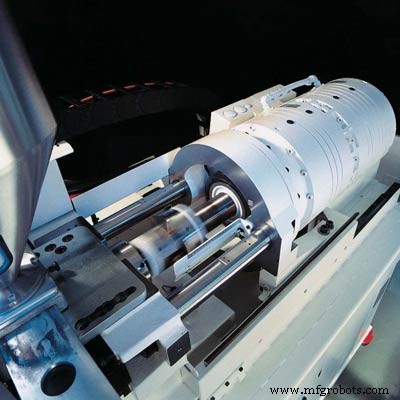
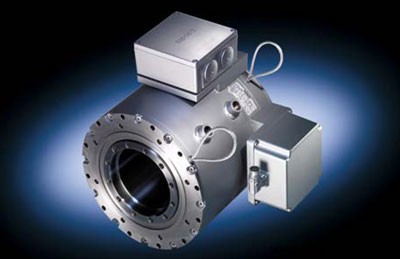
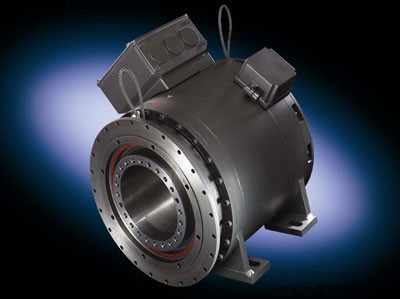
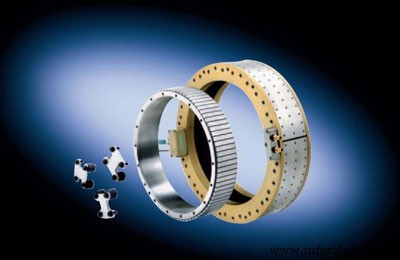
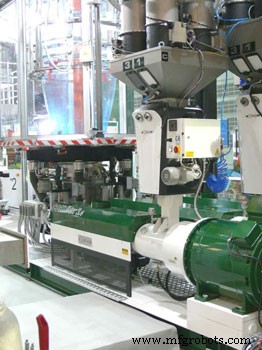
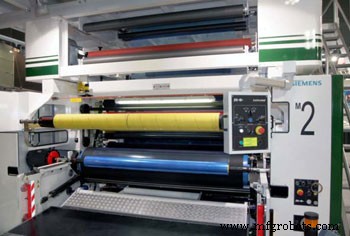
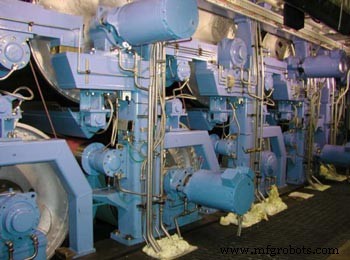
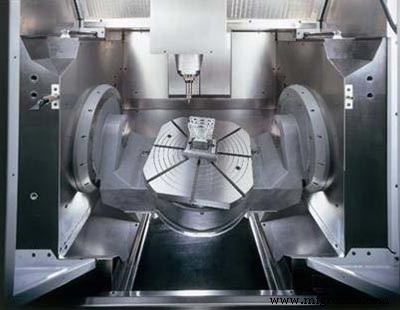
Four photos above: Hollow‑shaft torque motors provide versatile design options, advanced performance, and significant energy savings for modern machine drivetrains.
Four photos below: Typical applications include plastic film casting, printing presses, converting equipment, and machine‑tool rotary tables.
Equipment Maintenance and Repair
- Neuromorphic Chips: The Next Frontier for AI Performance
- Engineering Precise Motor Controls for Advanced Robotic Systems
- Certified Reliability Engineer (CRE): The Essential Credential for Plant Reliability Professionals
- Why Life‑Cycle Cost Analysis Delivers Tangible ROI
- Why Proper Storage of Electric Motor Data Sheets Is Critical
- Why Standing Work Orders Streamline Maintenance Management
- Diagnosing a Persistent Gearbox Noise: Lessons from a Refurbished Unit
- The C‑Suite Case for DDMRP: Unlocking Supply‑Chain Efficiency
- Why Revitalizing U.S. Manufacturing Is Essential for Jobs and Sustainability
- Why 3D Printing Is Revolutionizing Modern Manufacturing