



People Drive Success in Maintenance and Reliability Improvement
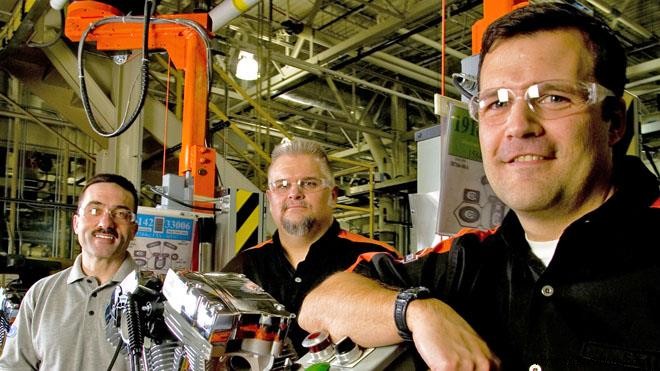
Many professionals are drawn to the maintenance and reliability field by a passion for working with machinery. With an engineering background, I’ve spent decades studying how machines operate and why they fail, and I’ve seen firsthand how understanding the mechanical and electrical laws that govern equipment can unlock powerful improvements.
Machines behave predictably; they obey physics and electrical principles. Engineers are trained in these laws, and maintenance teams thrive when they can apply that knowledge to keep equipment running safely and efficiently.
In a recent article for Reliable Plant, I highlighted the striking parallels between safety and reliability initiatives. Both start with a vision—zero injuries or zero failures—and both require a systematic, data‑driven approach to identify and eliminate risks.
Over the past 30 years, I have observed a steady evolution in safety programs. Initially, the focus was on removing obvious hazards—faulty machinery, inadequate guarding, or unsafe work environments. While these efforts yielded measurable gains, injuries still occurred, often from unsafe worker actions rather than equipment failures.
To address this, our organization expanded its toolbox to include behavioral programs such as the STOP and TAKE 2 initiatives from E.I. DuPont, followed by peer‑observation campaigns that emphasize continuous safety reminders and cultural change. The result has been a sustained reduction in incidents as employees internalize safe practices.
Today’s maintenance and reliability landscape is dominated by sophisticated technology: condition‑monitoring systems, precision‑maintenance tools, reliability‑centered maintenance (RCM) frameworks, and root‑cause analysis techniques. These tools are invaluable, yet they represent only one side of the equation.
Mastering the technical aspects of equipment failure prevention is essential—but it is the behavioral shift from reactive to proactive that delivers the greatest impact. Successful programs cultivate a mindset that machine failures can be anticipated and prevented through design, operation, and disciplined maintenance. This belief is reinforced through ongoing education and leadership that champions a proactive culture.
When employees internalize the concept of “zero failures,” they become active participants in continuous improvement, driving the organization toward true reliability. Achieving this shift is a gradual process that requires consistent, tailored interventions—one person at a time.
Are you and your leadership team ready to manage this change? Equip yourselves with proven change‑management principles and embrace the human element that propels lasting maintenance and reliability gains.
Equipment Maintenance and Repair
- Reliability & Asset Management: Foundations for Production Excellence
- World-Class Maintenance & Reliability: The Definitive Assessment Blueprint
- Top Performance in Maintenance & Reliability: Proven Strategies for Long‑Term Success
- Why Attention to Detail Drives Maintenance & Reliability Success
- Maintenance & Reliability Suppliers: A Critical Buyer’s Guide
- How Motor Condition Drives Efficiency, Reliability, and Cost Savings
- Reliability and Safety: A Symbiotic Path to Operational Excellence
- Periodic vs. Predictive Maintenance: Choosing the Right Strategy for Your Business
- Unplanned vs Unscheduled Maintenance: Key Differences Explained
- Key Differences Between Preventive and Corrective Maintenance Explained