



5 Expert Tips for Maintaining Industrial Machinery and Reducing Downtime
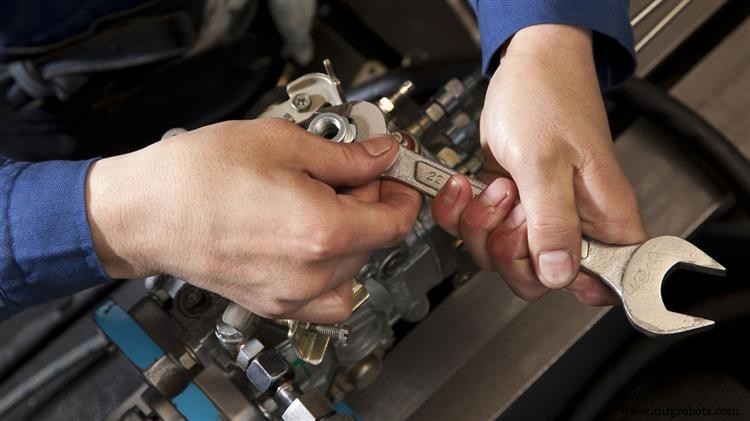
Industrial equipment is the backbone of any manufacturing or office operation. Neglecting its upkeep can trigger costly repairs, downtime, and premature replacement. Below are five proven strategies—backed by real-world experience—to keep your machines running reliably and extend their useful life.
1. Read the Manual Thoroughly
Every machine comes with a manual that outlines its unique maintenance schedule, safety precautions, and troubleshooting steps. By consulting it regularly, you’ll know exactly which tasks are critical, when they should be performed, and whether they can be handled in‑house or require a specialist. Skipping this step often leads to avoidable failures.
2. Prohibit Liquids Near Equipment
Spills are a common cause of electrical shorts, corrosion, and mechanical damage. Implement a strict no‑liquid policy around critical machinery. Offer employees a simple sign‑up sheet to agree to cover repair costs if a spill occurs, reinforcing the importance of vigilance. According to industry reports, liquid damage can cripple electrical systems and cause costly downtime.
3. Treat Machines With Care
Gentle handling prevents unnecessary wear and tear. Avoid forceful knocks or rough movements that can misalign components, damage bearings, or loosen fasteners. When a machine needs adjustment, use the proper tools and follow manufacturer guidelines—this keeps it performing at peak efficiency.
4. Avoid Repeatedly Switching Wires
Many machines feature ports with delicate pins that can bend or break with frequent insertion and removal of connectors. Limit unnecessary cable swaps, and use labeled cable ties or strain relief to protect these pins. A bent pin can render a whole unit inoperable and may force a costly replacement.
5. Ensure Proper Lubrication
Lubrication reduces friction, heat, and wear between moving parts. Neglecting to lubricate key components—such as bearings, gears, or camshafts—can lead to metal‑to‑metal contact, accelerated erosion, and eventual failure. Follow the manufacturer’s lubricant specifications and apply it at the recommended intervals to preserve metal integrity and machine longevity.
Remember, the equipment in your plant is your lifeline. Downtime translates directly into lost revenue. By following these maintenance practices, you safeguard your bottom line and ensure your operations run smoothly.
About the Author
Meghan Belnap is a freelance writer who collaborates with ETNA Products Inc., a fourth‑generation family business that supplies metalworking lubricants, coolants, rust preventatives, and cleaners across the United States and worldwide.
Equipment Maintenance and Repair
- 6 Essential Welding Practices for Plant Maintenance
- 5 Proven Maintenance Practices to Maximize Heavy Machinery Performance
- 5 Proven Strategies for Reliable Electronics Maintenance
- Proven Trailer Maintenance Tips to Maximize Efficiency & Longevity
- 6 Proven Strategies for Buying Used Construction Equipment
- 3 Essential Safety Tips for CNC Router Work
- Essential Maintenance Tips to Keep Industrial Machinery Running Smoothly
- 6 Proven Strategies to Cut Equipment Maintenance Costs
- Proven Strategies to Maximize Returns on Your Heavy Machinery Sale
- Proven Strategies for Maintaining Used Construction Equipment