



Proven Asset Performance Management Strategies for Industrial Excellence
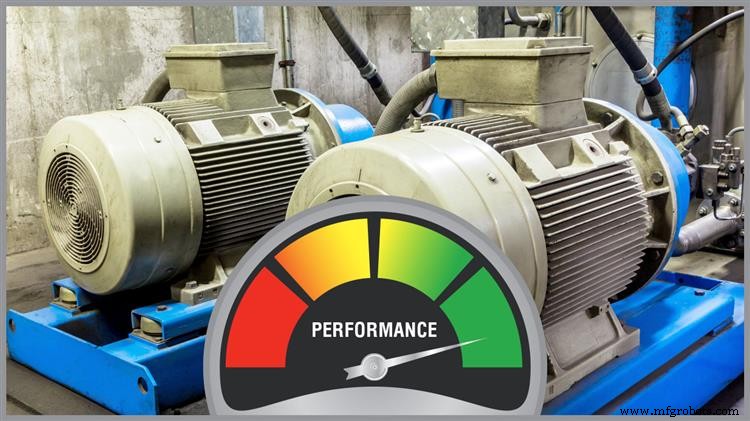
Eliminating unexpected equipment failures unlocks a $20 billion upside for process manufacturers—by cutting unplanned downtime and boosting asset utilization.
Albert Einstein once said, "If I had an hour to solve a problem and my life depended on it, I would spend the first 55 minutes determining the proper question…" This insight underscores the power of asking the right question before diving into solutions—an ethos at the heart of smart manufacturing.
The Evolution of Maintenance
For the last five decades, maintenance practices have evolved from basic run‑to‑failure models to sophisticated reliability‑centered strategies. Yet current methods—calendar, usage, condition‑based, and RCM—still lack a scientific foundation for machine inspection. They focus on wear and tear, but research shows that 80 % of mechanical degradation stems from process dynamics.
In modern plants, operators push equipment to near‑limit operating points to maximize profit. However, process excursions can drive assets into harmful zones, accelerating wear. To make fact‑based maintenance decisions, we need a deeper understanding of how process conditions affect asset health. That requires next‑generation analytics that combine process modeling with big‑data machine learning to surface predictive insights and prescriptive guidance.
Next‑generation Asset Performance Management
Next‑generation Asset Performance Management (APM) leverages actionable data to extend uptime and pinpoint root causes of failure. By integrating advanced analytics and machine learning, APM interprets complex sensor streams and maintenance logs, correlating them with process patterns to forecast adverse operating conditions before they manifest.
A System of Success
Predictive analytics can reduce downtime, but disruptions rarely occur in isolation. Multiple reliability, process, and asset issues often surface together, challenging static RCM approaches. A dynamic assessment framework that evaluates new warnings alongside existing conditions is essential for prioritizing resources and mitigating risk.
A robust system of success incorporates continuous risk recalculation, ensuring that each alarm triggers an updated risk profile. This guarantees that reliability assessments reflect the latest financial and probability data.
Key steps for a holistic implementation include:
- Clearly articulating goals to drive collaborative problem‑solving
- Embracing a data‑driven culture
- Distinguishing between lagging and leading indicators and responding appropriately
- Aligning the right mix of people, technology, strategy, and use cases
- Investing time to master the underlying technology
- Tying analytics initiatives to business objectives
- Deploying the appropriate software and hardware to address issues
- Executing initiatives with urgency and precision
With operational excellence and profitability at stake, developing a robust asset performance strategy is not optional—it’s a business imperative. Modern technology can help create a world that never breaks down.
Equipment Maintenance and Repair
- Mastering Digital Asset Management: A Comprehensive Strategy for Data‑Driven Asset Excellence
- Bridging Gaps in MRO Management: Proven Strategies for Seamless Supply Chain Coordination
- SKF Integrated Maintenance Solutions: Boost Asset Reliability & Profitability
- Unlocking Asset Value: How Asset Performance Management Maximizes ROI
- Asset Inventory Management: Tools, Processes, and Best Practices for Optimized Asset Performance
- Maximizing Industrial Asset Performance with Advanced APM Strategies
- 6 Proven Strategies to Streamline Asset Management
- 5 Proven Strategies to Optimize Asset Management and Boost ROI
- Streamlined Asset Tagging: 6 Essential Steps for Effective Management
- 5 Proven Steps to Optimize Your Asset Maintenance Process