



Free vs Paid CMMS: Choosing the Right Equipment Maintenance Software
Cloud‑based CMMS solutions are transforming how manufacturers manage equipment maintenance. IndustryWeek reports that over 70 % of mid‑size plants have already migrated to the cloud, citing cost savings, real‑time data and scalable deployment as primary drivers.
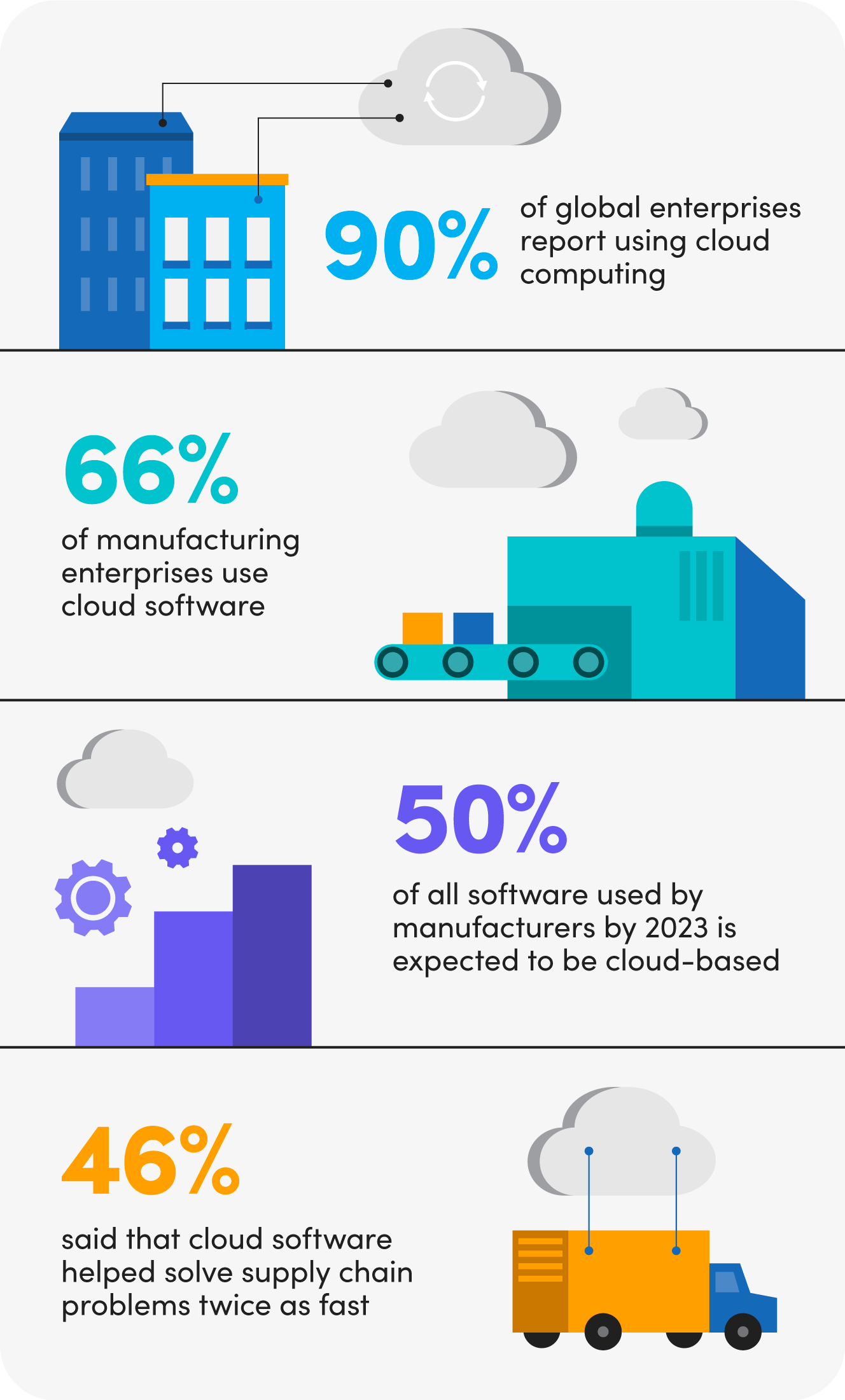
Manufacturers that have transitioned from legacy terminals and spreadsheets to cloud platforms now enjoy rapid planning, real‑time work‑order tracking and actionable performance metrics—all without the overhead of on‑premises hardware.
Yet the long‑standing practice of using Excel, whiteboards and Post‑it notes still makes the cost of a cloud‑based CMMS seem daunting. Fortunately, most vendors provide free tiers that give teams a low‑risk entry point.
In this guide you’ll learn:
- Key differences between free and paid CMMS offerings
- When a free plan is sufficient and when an upgrade is warranted
- How to measure ROI and present a compelling case to leadership
- Best practices for scaling from a free trial to a full subscription
Comparing Free and Paid CMMS: Functionality, Support & ROI
The three core dimensions that separate free and paid solutions are feature breadth, implementation assistance and ongoing support. Understanding each helps you match a platform to your organization’s maturity.
1. Feature Breadth
Free CMMS products typically cover the essentials—scheduled maintenance, basic dashboards and asset logging. Advanced capabilities such as predictive analytics, electronic signatures on work orders, or failure‑mode code generation are usually gated behind a paid tier.
Additionally, most free plans impose hard limits (e.g., 30 scheduled tasks per month or a maximum of five users). Paid plans remove these caps and unlock enterprise‑grade modules like multi‑site management, custom fields, and API integrations.
2. Implementation Assistance
Deploying a CMMS involves more than just setting a password. Tasks include importing asset hierarchies, configuring work‑order templates, mapping parts catalogs, and training staff. Free solutions rely on self‑service resources—knowledge bases, tutorial videos and community forums.
Paid subscriptions often come with dedicated implementation teams or on‑site workshops. Depending on the tier, you may receive a step‑by‑step rollout plan, data migration support and a dedicated account manager.
3. Ongoing Support & Reliability
All cloud CMMS platforms maintain baseline security and uptime guarantees. Free plans typically offer standard support channels (email, chat, community Q&A) with limited response windows.
Premium plans grant priority support, a dedicated account manager, and sometimes SLA‑guaranteed response times. They also provide advanced troubleshooting, custom reporting, and the option to purchase extra support hours if your organization’s demands grow.
| Free CMMS | Paid CMMS | |
|---|---|---|
| Pros |
|
|
| Cons |
|
|
When Is a Free CMMS Enough?
Free software is a powerful stepping stone for:
- Small plants with under five maintenance technicians
- Organizations testing digital workflows before a full rollout
- Teams that need a lightweight solution for preventive maintenance only
Once your free plan starts hitting its limits or you require deeper analytics, integration or multi‑site support, it’s time to consider a paid tier.
Recognizing the Moment to Upgrade
1. Capacity Exceeded
When scheduled tasks, user count or data storage reach the free plan’s ceiling, you’re likely managing critical work in parallel systems—raising the risk of missed maintenance and data silos.
2. Advanced Data Utilization
Free CMMS often lacks built‑in reporting or predictive analytics. If you spend hours exporting data to Excel, or your reports contain inaccuracies, a paid solution that centralizes analytics will save time and improve decision‑making.
3. Integration Requirements
Manufacturing environments rely on SCADA, PLCs, ERP and MES. Paid CMMS platforms provide API or native connectors that sync real‑time equipment status, usage metrics and inventory, eliminating duplicate data entry.
4. Growing Teams or Multiple Sites
Free plans usually cap users at three or four. For larger or geographically dispersed maintenance teams, a paid tier offers unlimited users, role‑based access and a unified view across all sites.
Building a Business Case for the Upgrade
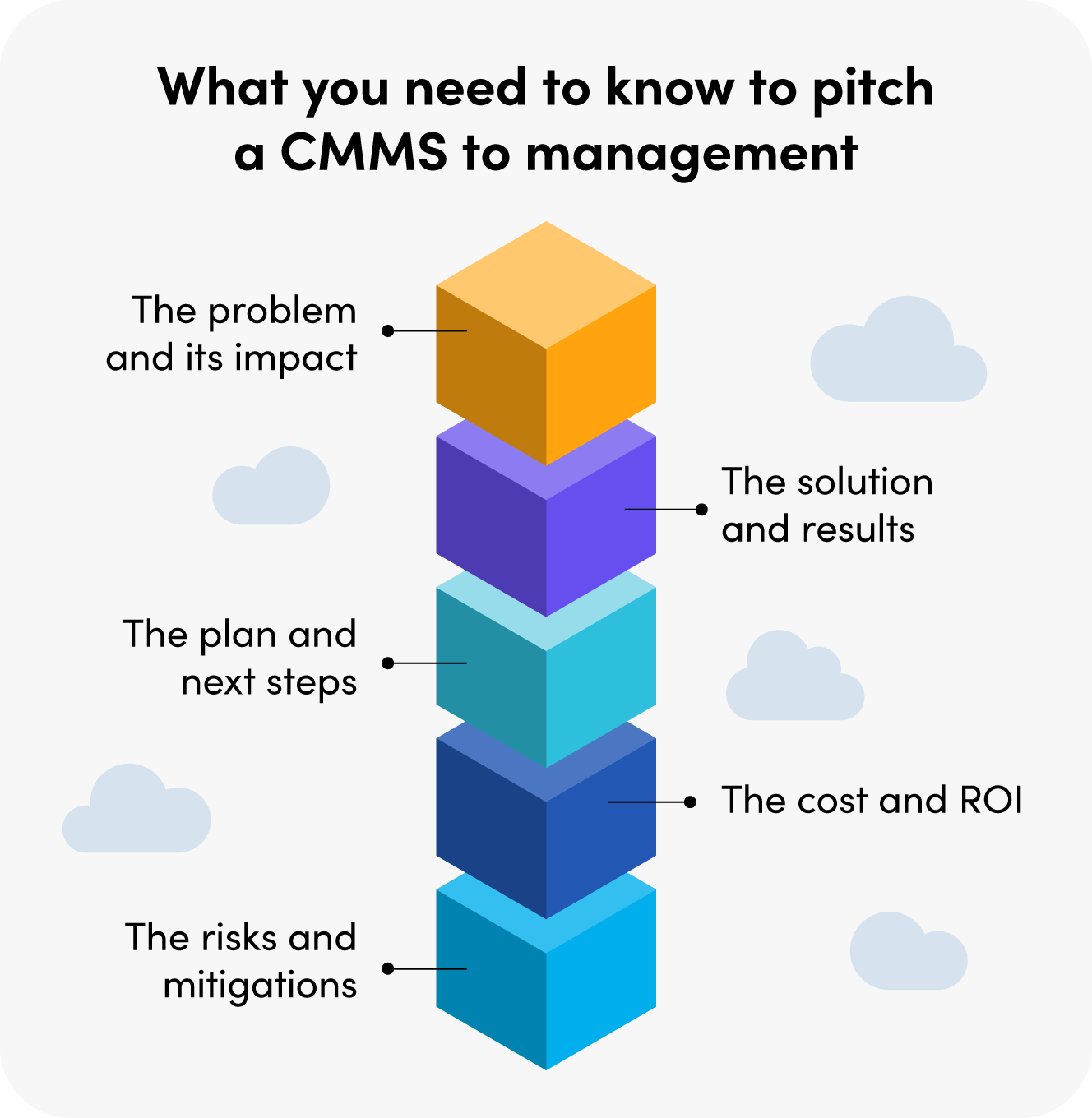
To secure leadership buy‑in, frame your presentation around three pillars:
- Current Success Metrics – Quantify the improvements achieved with the free CMMS (e.g., reduction in unplanned downtime, time saved on work‑order creation).
- Projected ROI – Model the expected cost savings and productivity gains after moving to a paid tier (include metrics like mean time to repair, spare‑parts inventory reduction, and labor cost avoidance).
- Risk Mitigation – Highlight how advanced features reduce operational risk—predictive maintenance reduces catastrophic failures, integration eliminates data entry errors, and scalable user limits support future growth.
Attach a concise slide deck or a one‑page executive summary that maps each benefit to a tangible business outcome. Leadership will appreciate a clear cost‑benefit analysis and a roadmap for implementation.
When you’re ready, reach out to your vendor for a personalized demo and a trial of the premium tier. Many providers offer a 30‑day pilot at no additional cost—use it to validate the ROI before committing.
Equipment Maintenance and Repair
- Maximize Plant Uptime with ATS’s Expert Third‑Party Maintenance Solutions
- 7 Proven CMMS Strategies for Optimal Asset Maintenance
- Preventive Maintenance Software: Boost Asset Longevity & Reduce Downtime
- Top 25 Maintenance Management Software Platforms for Optimal Efficiency
- Top 25 Preventive Maintenance Software Solutions for Peak Equipment Performance
- Proven Equipment Tracking Strategies: Asset Tags, Software, Maintenance & More
- Top 13 Free Circuit Simulators: Trusted Tools for Accurate Design
- Top Equipment Management Best Practices to Boost Construction Efficiency
- Maximize ROI with Proven Equipment Rental Software: Benefits & Features
- Expert Construction Equipment Maintenance: Prevent Costs & Boost Longevity