



5 Key Drivers of Equipment Failure and Proven Prevention Strategies
This post was originally written as a guest blog by Nicole Pontius from Camcode and has been updated by the Fiix team in June 2019.
- 5 common causes of equipment failure
- Cause #1: Improper operation
- Cause #2: Failure to perform preventive maintenance
- Cause #3: Too much preventive maintenance
- Cause #4: Failure to continuously monitor equipment
- Cause #5: Bad (or no!) reliability culture
- The bottom line
Equipment failure is inevitable, but its impact can range from a minor hiccup to a catastrophic event that drives up repair costs, extends downtime, jeopardizes health and safety, and disrupts production and service delivery. Understanding why equipment fails is the first step in mitigating unplanned downtime.
Use These Seven Secrets to Reduce Downtime and Beat Failure
Beat equipment failure with proven tactics.
5 Common Causes of Equipment Failure
Cause #1: Improper Operation
Daily interaction with equipment can influence its health. Operators, in particular, must be fully trained on the machines they run, including troubleshooting and safety best practices. When staffing shortages or emergencies force an untrained operator to work a machine, operational errors increase and compliance risks rise.
Mitigation: Ensure a robust training program where every operator receives baseline knowledge of all critical assets. Maintain a contingency plan for staffing gaps and enforce strict qualification checks before an operator begins work.
Regulatory bodies such as OSHA set specific training requirements for certain equipment types. Knowing and implementing these standards safeguards both safety and compliance.
Cause #2: Failure to Perform Preventive Maintenance
Preventive maintenance (PM) is often the first casualty when resources are stretched thin. The subtle signs of degrading performance—slower output, unusual vibrations, or slight temperature rises—can slip past even experienced staff if routine checks are skipped.
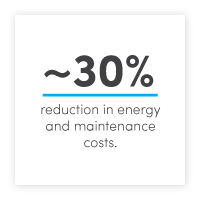
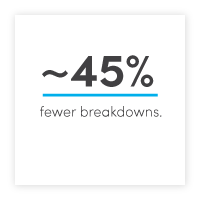
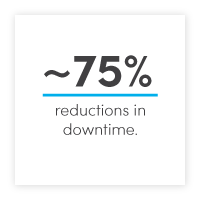
Effective PM schedules, supported by asset tagging and digital tracking, keep machines operating near peak efficiency and extend their lifespan. The U.S. Department of Energy reports that disciplined PM can:
- Cut energy and maintenance costs by up to 30%
- Reduce breakdowns by 35–45%
- Decrease downtime by up to 75%
Stop fighting fires all day with this free preventive maintenance schedule template
Cause #3: Too Much Preventive Maintenance
While under‑maintenance is risky, over‑maintenance can be equally damaging. Each maintenance intervention exposes equipment to mechanical stress, increases wear, and consumes costly labor and spare parts.
Key indicators of over‑maintenance include:
- Unnecessary inventory buildup
- Increased wear on critical components
- Wasted technician time
- Higher operational costs
Conversely, an optimal PM cadence yields:
- Controlled costs
- Just‑in‑time parts availability
- Reduced downtime
- Higher technician efficiency
- Improved safety
- Maximized asset productivity
Apply data‑driven decision making to determine the precise maintenance interval that aligns with actual asset conditions.
Avoid excessive PMs with this maintenance log template
Cause #4: Failure to Continuously Monitor Equipment
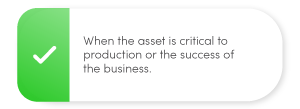
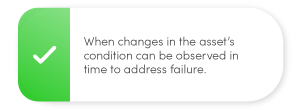
Condition‑based maintenance (CBM) replaces the rigid “set it and forget it” approach with real‑time insights. By leveraging sensor data—vibration, temperature, pressure—you establish a baseline of healthy operation and detect subtle deviations that precede failure.
CBM enables proactive scheduling, reduces unscheduled downtime, and informs adjustments to workloads that may be stressing equipment beyond design limits.






Prepare for every failure on your critical assets with this FMEA template
Managing CBM manually is impractical; consider a digital maintenance platform that captures sensor data, schedules inspections, and triggers alerts automatically.
When to Use Condition‑Based Monitoring


Cause #5: Poor Reliability Culture
When executive pressure prioritizes speed over safety, operators and technicians may resort to quick fixes rather than thorough solutions. Over time, these “band‑aid” measures become permanent, escalating the risk of catastrophic failure.
Industry cases—such as Boeing’s 737 Max and 787 Dreamliner incidents—illustrate how a top‑down urgency culture can propagate safety oversights throughout the organization.
Building a reliability‑first mindset starts with transparent communication, continuous training, and empowerment of frontline staff to stop operations when safety is compromised.
The Bottom Line: Train, Maintain, and Cultivate Reliability
Equipment is inherently complex; failures will happen. By investing in comprehensive operator training, aligning preventive or condition‑based maintenance to real asset conditions, and fostering a culture that values long‑term reliability over short‑term gains, you can dramatically reduce downtime and protect your bottom line.
Equipment Maintenance and Repair
- Reviving Maintenance: From Obsolescence to Sustainable Excellence
- How Volunteer Leadership Fuels Advancement in Maintenance & Reliability
- Total Effective Equipment Performance (TEEP): A Strategic KPI for Scheduling & Capacity Planning
- P‑F Curve Explained: Mastering Reliability‑Centred Maintenance
- Understanding Equipment Failure – Prevent It Before It Happens
- Preventing Injection Molding Defects: Causes, Prevention, and Quality Assurance
- Identifying Key Machine Failure Causes and Strategies to Avoid Downtime
- Key Causes of Hydraulic Pump Failure and How to Prevent Them
- Proven Asset Maintenance Strategies to Prevent Catastrophic Failures
- Professional Facility & Industrial Maintenance Services