



Choosing the Optimal Drive System: Cost and Performance Insights
When selecting a drive conversion or designing a new power transmission system, maintenance and design engineers typically evaluate three major categories:
- Roller chain drives
- V‑belt drives
- Synchronous belt drives
Each option offers distinct advantages, disadvantages, and hidden cost factors that can influence both upfront spend and long‑term ownership.
Roller Chain Drives
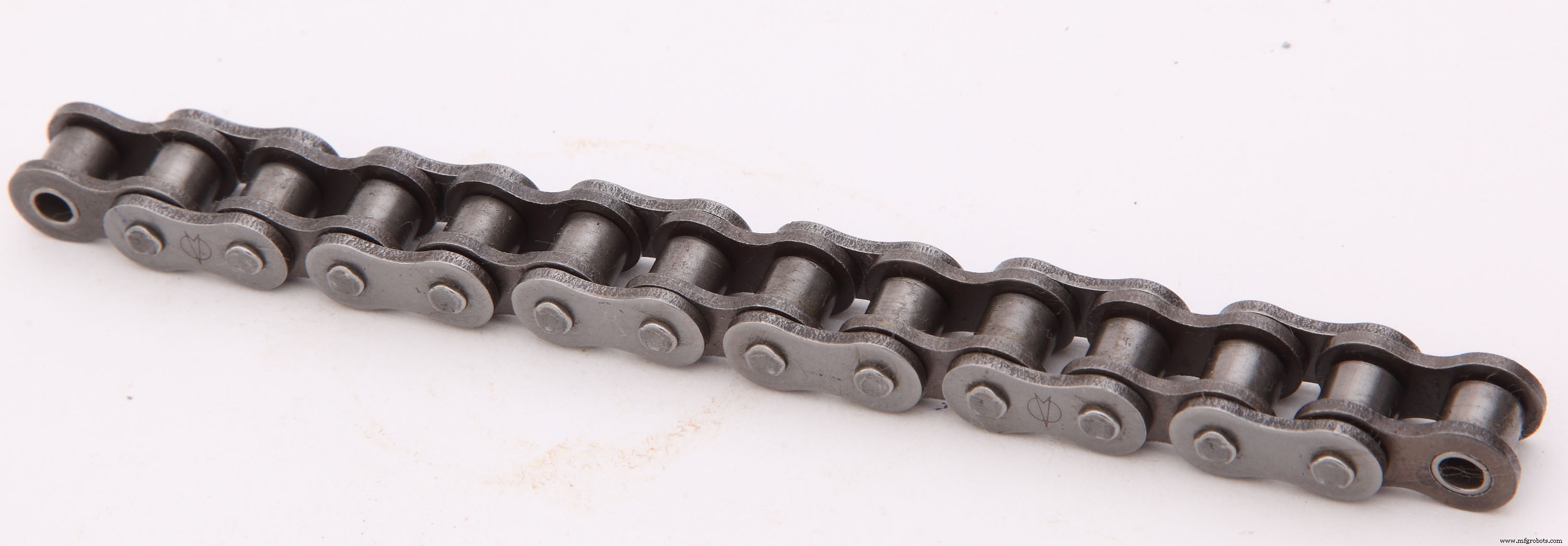
Why they’re popular: Roller chains transmit high torque in a compact package, use widely available stock components, and typically have a low initial cost. However, their true cost is largely driven by maintenance.
- Lubrication – Without proper oiling, chain wear increases ~300×; yet 90‑95% of installations are under‑lubricated or unlubricated.
- Alignment & tension – Misalignment or improper tension shortens life and raises energy loss.
- Component replacement – Chains stretch ~3% before replacement; manufacturers also recommend swapping sprockets each time to avoid severe wear.
Typical service life, assuming ideal design and maintenance, is ~15,000 hours. In practice, especially in harsh or unlubricated environments, lifespans can drop to 100 hours or less. The high maintenance frequency also means frequent shutdowns, increasing downtime and labor costs.
Despite these challenges, roller chains provide:
- Versatility – Attach conveyors, actuators, or trip switches directly to the chain.
- Custom length – Create any chain length with linking elements.
- Wide selection – Extensive range of chains and sprockets for various applications.
V‑Belt Drives
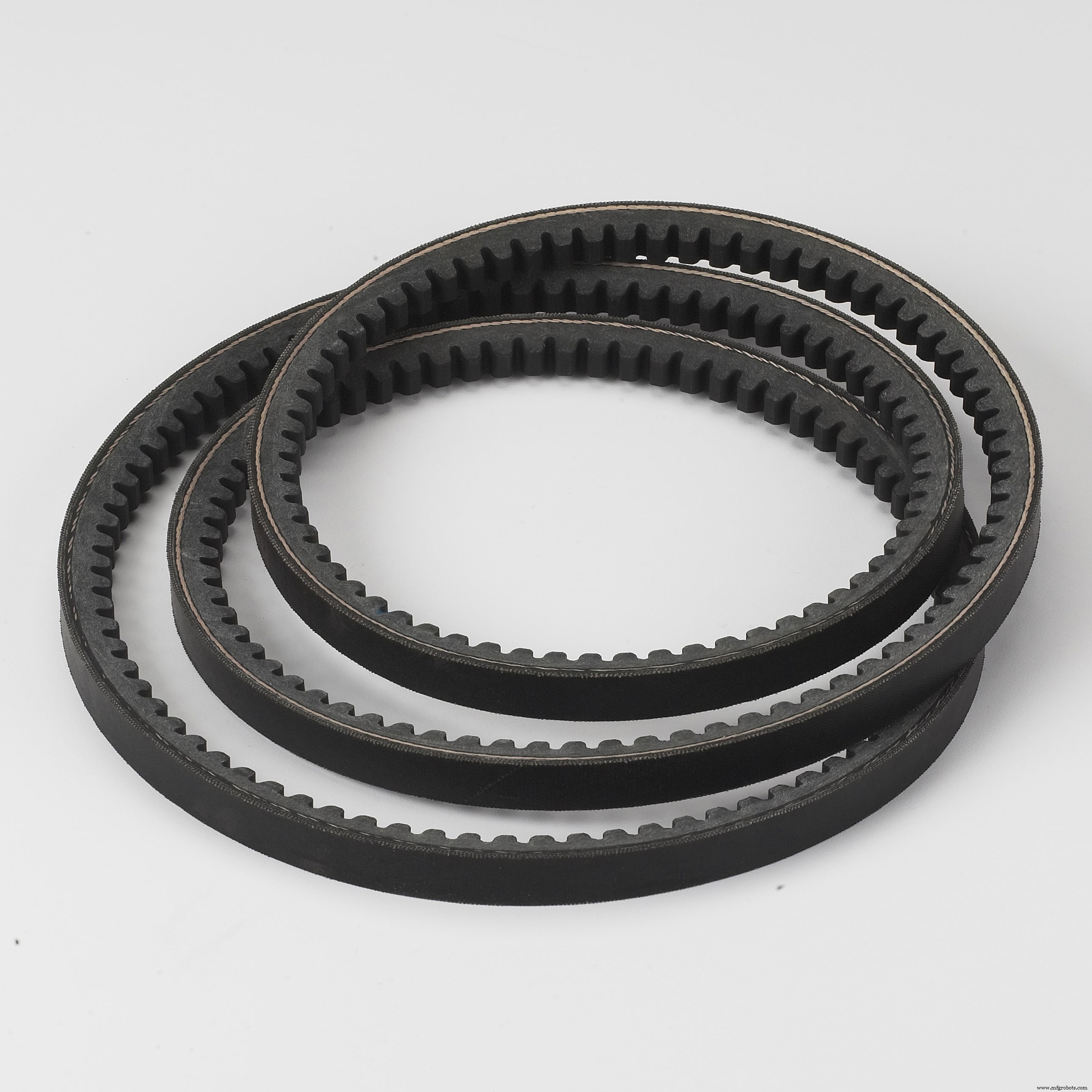
V‑belts transmit power through friction between the belt and pulley. They typically achieve 95–98% efficiency at installation and are well suited for high‑speed, high‑load scenarios.
- Durable in severe duty applications, handling shock loads and high starting torques.
- Optimal for speeds ≥500 RPM and gear ratios up to 6:1.
- Temperature range: –40 °F to 130 °F.
- Slippage protects expensive machinery from load surges.
- Flexible motor‑to‑load placement.
With proper installation and maintenance, V‑belt drives can last 20,000–25,000 hours. Efficiency can drop up to 10% if belts stretch and slip, but cogged or notched designs can recover ~2% of efficiency.
Synchronous Belt Drives
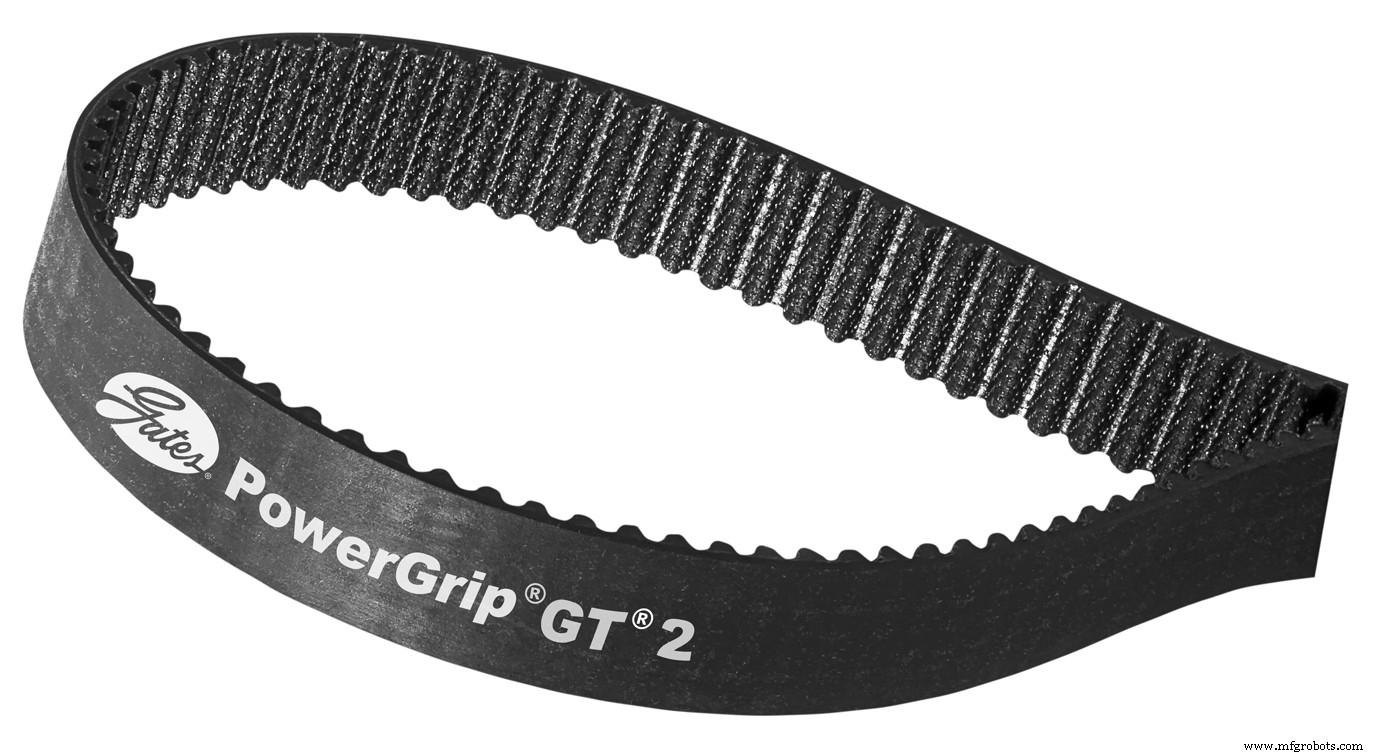
Synchronous belts use a tooth‑grip mechanism, providing positive, slip‑free torque transmission at both high and low speeds.
- Higher initial cost than roller chains or V‑belts.
- No lubrication required – eliminates oiling systems and associated costs.
- No re‑tensioning needed during the belt’s life.
- Typical efficiency ranges from 95–99%, depending on belt type and application.
For example, a 100‑inch length comparison shows:
- Roller chain: ~3% elongation, requiring ~1.5” centre‑distance take‑up.
- V‑belt: 1.5–2.5” take‑up, depending on cross‑section and manufacturer.
- Synchronous belt: only ~0.04” take‑up.
Chain and sprocket wear are dramatically lower on synchronous belts. In a Gates Poly Chain GT2 system, the belt lasts 3–1 times longer than a comparable chain, and the sprockets outlast chain sprockets 10–1.
While misalignment can still cause premature failure, synchronous belts excel in clean, dry, and moderately corrosive environments. They are also suitable for serpentine drives – double‑sided variants like Gates PowerGrip GT2 Twin Power offer the same cost savings as single‑sided belts.
Conclusion
On a cost‑of‑ownership basis, synchronous belt systems often outshine roller chains and V‑belts. Though a Gates Poly Chain GT2 belt may start at roughly 30% higher than a standard roller chain, the savings in maintenance, downtime, and energy can more than offset that premium. Design engineers who choose synchronous drives deliver cleaner, quieter, longer‑lasting, and lower‑cost solutions to end‑users, enhancing competitiveness in the market.
At J/E, we are an authorized Gates distributor. We stock belts, hoses, and sprockets. info@je-bearing.com
Equipment Maintenance and Repair
- Mastering Volume Packing and Part Orientation for Faster, Cost‑Effective Additive Manufacturing
- Joint Reward Systems: Driving Collaboration and Results Across Plant Departments
- The Managing System: Measure What Matters in Maintenance
- Choosing the Optimal Drive System: Chain, V‑Belt, or Synchronous Belt
- How to Choose the Ideal Lubrication Supplier for Optimal Maintenance
- Understanding Chain Drives: Types, Functionality, and Applications
- How to Choose the Ideal 3D Printing Process for Your Projects
- Choosing the Ideal Tube Laser Cutting System for Your Manufacturing Needs
- Choosing the Ideal Telescopic Hydraulic Cylinder: A Practical Guide
- Improve Product Quality with the Ideal Grab Sampling System