



Expert Conveyor Maintenance Tips to Prevent Failures
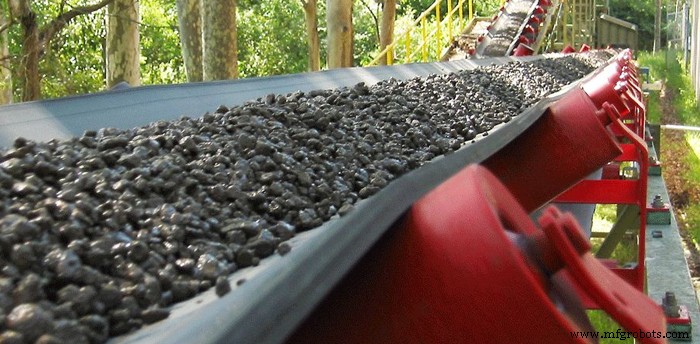
Conveyor systems in mining environments constantly battle dust, abrasive and corrosive materials—coal, bitumen, iron ore, potash—forcing operators to exceed design limits and accelerating wear. Neglected maintenance further shortens component life, resulting in costly downtime.
The following practical maintenance insights come from three specialists at Delta‑based Belterra Corporation, a trusted supplier of conveyor system products and solutions: Bob Collins, territory manager and solutions specialist; Jim Halloran, projects division manager; and Mike McInnis, mechanical maintenance services division technical specialist.
Tip 1 – Inspect conveyors while they’re running. Audible cues such as loud squealing or grinding often point to failed or failing bearings, usually on idlers or pulleys. Slapping or banging noises typically indicate idlers on the return strand or worn pulleys in the take‑up. Identifying the source promptly prevents cascading failures and additional costs.
Tip 2 – A dirty conveyor is the biggest culprit for premature wear on idlers, pulleys and belts. Dirt tends to accumulate in predictable patterns, offering clues about underlying problems. A thorough cleaning before diagnosing a fault makes it easier to see where material is building up and whether the issue is local or transported along the belt.
Tip 3 – Excess material on return idlers or the floor usually signals poor belt cleaning or a choke in the chute that can’t clear material quickly enough. Overloading the conveyor or an inadequate transfer point often cause this. Address the root cause by reducing load or redesigning the transfer point rather than simply adding more cleaning equipment.
Tip 4 – The key to reducing carry‑back and wear is effective belt cleaning. A well‑maintained head‑end cleaner removes ~75 % of product; a secondary cleaner removes an additional 15‑20 %; a tertiary cleaner finishes the job. Where one blade once sufficed, most modern systems now use three blades for optimal performance.
Tip 5 – Seasonal changes can dramatically affect cleaning efficiency. Snow, ice or wet material can defeat a single cleaner. Installing secondary cleaners with carbide tips can remove ice and wet debris without damaging the belt, maintaining track and grip.
Tip 6 – When wet material freezes on return rollers, the belt can wander and lose traction. A de‑icing spray—glycerin‑based, potassium acetate or calcium chloride—applied at the tail end can melt ice and keep material moving upward, preventing free‑spinning rollers and belt derailment.
Tip 7 – Uneven wear on return idlers, snub and bend pulleys, or belt‑tracking issues often stem from inadequate cleaning. Consult the cleaner manufacturer’s engineering team for the correct application and mounting instructions. Selecting the right cleaner for dry or wet, abrasive or chemically aggressive material, and installing it per the manufacturer’s guidance, is critical.
Tip 8 – A belt notch that appears on the skirt board away from the load zone typically signals side‑loading on the tail pulley. Installing a belt trainer near the tail realigns the belt, keeping it centered and preventing progressive tracking loss.
Tip 9 – Carry‑back on the belt’s bottom cover may be caused by a leaking load zone, airborne material settling on the return side, or an inadequate transition between trough and flat sections. Inspect the system while running, locate any small leaks, and consider extending the tail‑box to provide a seal on the flat portion of the belt.
Tip 10 – When you acquire new components, ensure the maintenance team knows how to care for them. Provide clear installation guides, sticker labels indicating spring tension, and training on operation. Vendors often supply downloadable literature; take advantage of it.
Tip 11 – If a belt shows no visible damage yet fails unexpectedly, check for misalignment caused by an unreported incident. Structural supports can be bent, leading to belt tear or component failure. Adding protective walls or beam reinforcements helps guard against accidental impacts.
Tip 12 – Heavy metal fragments can derail belts and damage idlers or pulleys. Installing a belt magnet at a strategic point removes ferrous debris before it reaches critical components.
Bonus Tip 13 – Fugitive material at a transfer point can be hazardous and time‑consuming to clean manually. Design transfer points so the belt extends beyond the skirt board, preventing the belt from exiting the seal and depositing material on the floor.
Bonus Tip 14 – Excessive dust at a transfer point often signals poor containment. Increasing the volume of the containment zone slows airflow; adding internal rubber dust baffles further reduces dust escape.
Montreal‑based Carroll McCormick is the award‑winning senior contributing editor for Machinery & Equipment MRO. Find the original article on the MRO websiteEquipment Maintenance and Repair
- Essential Belt Conveyor Maintenance: 5 Pro Tips for Reliability
- Top 4 Considerations for Reliable Conveyor Belt Repairs
- How to Choose the Ideal Conveyor Belt for Your Industry
- Troubleshooting Belt Conveyor Issues: Quick Solutions & Tips
- Mastering Robot Conveyor Programming: A Step‑by‑Step Guide
- Top Conveyor System Types for Efficient Material Handling
- Comparing Mining Conveyor Belts: Key Factors & Expert Insights
- Comprehensive Guide for Engineers: Optimizing Overland Conveyor Systems
- Choosing the Ideal Mining Conveyor Belt: Expert Tips & Best Practices
- Proactive Mining Conveyor Belt Maintenance: Ensuring Reliability and Longevity