



Grease vs. Oil: Selecting the Optimal Lubricant for Linear Bearings
Adequate lubrication is the cornerstone of bearing reliability. In recirculating linear bearings—such as profiled rail guides and ball screws—lubricants keep the rolling elements separated from the raceways, reduce friction, dissipate heat, and guard against corrosion. Proper lubrication also ensures seal integrity, preventing contamination while maintaining a seal’s ability to retain lubricant.
Elastohydrodynamic lubrication (EHL) describes how a thin film of lubricant forms under the combined influence of viscosity, speed, and pressure. For linear systems, both grease and oil can satisfy these conditions, but the choice hinges on key operating parameters: temperature, load, vibration, speed, environment, contamination, and stroke length.
When Grease Is the Superior Choice
In most linear guide and drive applications, grease provides a more reliable solution. Its adhesive properties keep it in place, extending service life and reducing the likelihood of run‑off or ejection from rotating parts. Grease is formulated from a base oil, a thickener, and additives such as rust inhibitors. The base oil’s viscosity determines the lubricating film’s performance, while the grease’s consistency class—defined by the National Lubricating Grease Institute (NLGI)—indicates how it will flow and disperse within the bearing.
Linear systems typically employ lithium‑based greases, consistency classes 0–3, free of solid additives like MoS₂ or PTFE. These greases excel under high‑load conditions and resist oxidation, making them a proven choice for demanding applications.
When Oil Is Preferable
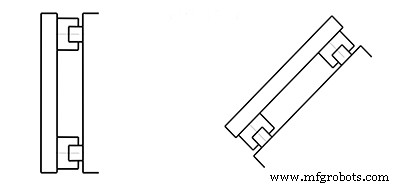
Oil excels in high‑speed scenarios because it dissipates heat more efficiently and flows better than grease. However, oil application requires careful consideration of bearing orientation and lubrication port placement—oil will not reach bearings positioned above the ports if the assembly is mounted vertically or sideways. Some manufacturers use misting systems that create a positive pressure within the bearing, further preventing contamination and enhancing cooling, albeit at increased complexity and cost.
Compatibility between initial and in‑service lubricants is critical. Many manufacturers provide pre‑lubricated guides or ball screws; others apply a preservative grease or oil. Always verify that the selected lubricant matches the manufacturer’s specifications. If incompatibility is detected, wipe and purge the bearing before re‑lubrication.
Maintaining the correct lubricant quantity—whether grease or oil—is essential for maximizing bearing life. Manufacturers publish recommended quantities and intervals based on lubrication type, speed, and temperature. Additional factors such as shock loads, vibration, and contamination also influence longevity. Lubricant manufacturers can analyze your operating parameters and recommend a formulation that ensures optimal performance.
Find the original article here.
Equipment Maintenance and Repair
- Kerosene: Production, Uses, and Future of a Key Petroleum Product
- Olive Oil: From Ancient Traditions to Modern Production
- Gasoline: Production, Refining, and the Road Ahead
- Extending Bearing Life with Expert Grease Lubrication Strategies
- Launching a Successful Lubrication Program: Expert Guidance for Reliability
- Standardized Fan Upgrade Solution Enhances Reliability & Longevity
- Benchmarking Lubrication Performance to Boost Reliability and Cut Costs
- Premium Grease Lubricants for Superior Hydraulic Performance
- Splash Lubrication Explained: How It Keeps Small Engines Running Smoothly
- Engine Lubrication Systems Explained: Importance & Function