



Launching a Successful Lubrication Program: Expert Guidance for Reliability
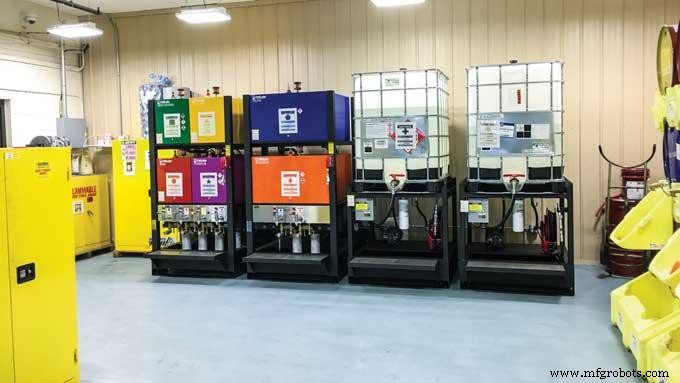
Starting a lubrication program is more than just filling bearings with grease or oil. It demands a clear understanding of the materials that keep machinery running smoothly and the strategic decisions that drive long‑term reliability.
Grease Basics
Grease is a blend of base oil and a thickening agent. The oil provides the actual lubrication, while the thickener holds the mixture together. Selecting the correct grease is critical—if the oil separates, the protective film disappears, leading to premature wear and costly downtime.
Grease Types and Thickeners
Most greases use a lithium complex as the thickener because it is inexpensive to manufacture. However, lithium thickeners lack key attributes such as reversibility and waterproofing, which are essential for high‑performance applications. Advanced thickeners (e.g., calcium sulfonate, organo‑phosphate) deliver superior protection but require more sophisticated production.
Remember: the cost of the grease itself is only part of the equation. The true expense is how much you need to use and how often you must replace it. A premium formulation that lasts longer can save you more in the long run.
Oils: Choosing the Right Base
Oils come in three main categories:
- Vegetable (environmentally friendly, limited high‑temperature range)
- Mineral (traditional, cost‑effective)
- Synthetic (high‑performance, engineered for extreme conditions)
The base oil selection must align with your application, filtration strategy, and maintenance philosophy. Reliance on a supplier’s recommendation without independent verification can expose you to hidden risks.
Understanding Crude Sources
Lubricant quality is influenced by the crude oil used. Key crudes include:
- West Texas Intermediate (WTI) – light, sweet, high gasoline yield, primarily refined in the U.S.
- Brent Blend – sourced from 15 North Sea fields, slightly heavier than WTI, benchmark for European markets.
- OPEC Basket – a composite of seven crude streams with higher sulfur content and lower prices.
Major fuel companies prioritize gasoline profits; their lubricants are often a by‑product, not a focus. Selecting a dedicated lubricant supplier with deep technical expertise is essential for optimal performance.
Additives: Enhancing Performance
Additives tailor the base oil to meet specific demands—anti‑wear, extreme‑pressure, viscosity index, and more. They can be replenished without a full oil change, offering cost savings when managed correctly. A knowledgeable partner will help you design an additive package that balances protection and economics.
The Physics of Friction
Effective lubrication reduces friction, controls temperature, prevents corrosion, and removes contaminants. Three lubrication regimes exist:
- Boundary – protective layers form when surfaces contact directly.
- Mixed – partial film separation.
- Full film (hydrodynamic or electrohydrodynamic) – surfaces are fully separated by a fluid film.
Understanding these regimes allows you to select oils, greases, and additives that deliver the right type of protection for your equipment.
Surface Imperfections: Asperities
Even polished parts contain microscopic peaks and valleys—asperities. Full‑film lubrication requires a film thicker than the highest asperity to spread the load evenly. When that isn’t possible, boundary or mixed lubrication with appropriate additives provides sacrificial protection.
Practical Testing for Decision Making
1. Identify your hottest gearboxes and record temperature at the same time each day.
2. Replace the current oil with a premium, non‑fuel‑company lubricant and repeat the measurements.
3. Monitor temperature trends, leak rates, and oil consumption. A noticeable drop in operating temperature and reduced leakage indicates a better viscosity index and overall performance.
For grease, inspect via:
- Disassembly of bearing caps.
- ASTM D7718 probe sampling.
- Analysis of purge discharge from grease‑purging machines.
High‑quality greases with reversible thickeners and waterproof properties minimize leakage and extend bearing life.
Conclusion
Launching a lubrication program that truly supports reliability requires expertise, independent evaluation, and the right partners. A premium lubricant that matches your application’s demands can reduce maintenance costs, extend equipment life, and provide a strong business case for investment in reliability.
For more insights, feel free to reach out. With over 30 years of experience in reliability engineering, I’ve tested thousands of lubricants and can help you build a program that delivers measurable results.
Equipment Maintenance and Repair
- Extending Bearing Life with Expert Grease Lubrication Strategies
- Outsourcing Lubrication: Benefits, Drawbacks, and Strategic Considerations
- Standardized Fan Upgrade Solution Enhances Reliability & Longevity
- Benchmarking Lubrication Performance to Boost Reliability and Cut Costs
- Building a Lean, High‑Impact Oil Analysis Program
- Grease vs. Oil: Selecting the Optimal Lubricant for Linear Bearings
- The Dangers of Over‑Greasing: How Proper Lubrication Extends Equipment Life
- Premium Grease Lubricants for Superior Hydraulic Performance
- Splash Lubrication Explained: How It Keeps Small Engines Running Smoothly
- Engine Lubrication Systems Explained: Importance & Function