



11 Expert‑Verified Bearing Myths Debunked: How to Avoid Common Failures
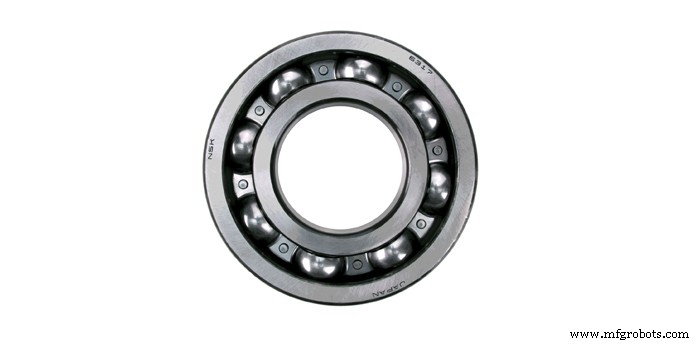
The heart of every industrial machine is its bearings. Yet vibration, noise, drag, and overheating are frequent symptoms of bearing failure. Most breakdowns stem from poor lubrication or contamination, but long‑standing myths passed down through generations of maintenance staff often mask the real causes. Below are 11 of the most pervasive misconceptions—and the expert guidance you need to eliminate them.
1. Hammering a bearing into place is acceptable. A direct blow dents the raceway, creates noise, and cuts bearing life dramatically. If the fit is tight, first verify shaft diameter and remove burrs, dirt, or corrosion. Use a press to slide the bearing on, applying equal pressure to the inner‑ring face to preserve raceway geometry.
2. Off‑the‑shelf TGP shafting is the safest choice. The key is to match the shaft’s tolerance to the required diameter and roundness. Always consult the manufacturer’s recommendations and measure or specify the exact diameter.
3. Hand‑tightening setscrews one at a time is fine. Under‑tightening lets the bearing slip; over‑tightening distorts the raceway or cracks the inner ring. Apply torque in the following sequence: first set screw to half the spec torque, second to full torque, then return to the first and tighten to full torque.
4. Bearings should never feel hot. Typical operating temperatures range from 27 °C to 66 °C, though some applications run higher or lower. Most bearings are rated from –29 °C to 121 °C. Grease, seals, or heat‑stabilizing treatments can extend that range. It’s normal for bearings to spike up to 10 °C at start‑up or right after re‑lubrication; steady‑state temperatures will return as excess grease purges through the seals.
5. Bigger bearings always perform better. Larger units may offer higher fatigue life, but if the load never reaches the minimum design requirement, the rolling elements will skid, generating heat, wear, and grease breakdown.
6. Sealed or “lubricated‑for‑life” bearings last forever. Grease life is the limiting factor. It depends on speed, load, temperature, and environmental contamination. Selecting the correct grease, ensuring proper installation, and using high‑quality seals can significantly extend life.
7. Annual re‑lubrication is adequate. Refer to the manufacturer’s guidance, but real intervals vary with speed, load, temperature, and contamination. High‑speed or dirty applications may need daily or weekly greasing, whereas lightly loaded, low‑speed bearings in clean environments can run 12–24 months between services. Monitor performance and adjust intervals accordingly.
Re‑lubrication replenishes grease that degrades under temperature or removes contaminants that accumulate during operation.
8. Grease should be added until it purges from the seal. Filling the cavity can raise operating temperature and generate pressure that forces seals out. In low‑speed or heavily contaminated scenarios, a full fill can improve performance, but this decision must be based on application experience.
9. Noise indicates a failing bearing. Noise almost always signals internal damage. Adding grease may offer temporary relief, but a noisy bearing should be inspected and replaced immediately. Identify and address the root cause to prevent recurrence.
10. Any grease will do. Greases differ in thickeners and viscosities. For example, electric motors often use polyurea thickeners, while mounted ball bearings typically employ lithium‑complex thickeners. Incompatible greases can reduce performance or cause failure.
11. Simply shoot grease through the fitting. Clean the grease fitting and gun tip before each application. Immerse the tip in an oil bath or cover it with a plastic cap to prevent contamination. Good bearing health drives plant uptime and OEE. If you’re falling short of expected life, consult the bearing manufacturer for selection and troubleshooting support.
This article is provided by Emerson Industrial Automation, Power Transmission Solutions, based in Florence, Ky., with Canadian offices in Rexdale and Unionville, Ont. Ian Rubin is director of marketing, mounted bearings, for Sealmaster, System Plast and Browning‑branded products. Visit https://powertransmissionsolutions.com.
Equipment Maintenance and Repair
- Aluminum Uncovered: 5 Myths Debunked by Experts
- Debunking 4 Common Myths About CNC Finishing Tools
- Extending Bearing Life with Expert Grease Lubrication Strategies
- How Incorrect Greasing Can Trigger Bearing Failure
- To Grease or Not to Grease: Best Practices for Electric Motor Bearing Lubrication
- The Three‑Barrier Solution: Enhancing Bearing Longevity in Harsh Environments
- Grease vs. Oil: Selecting the Optimal Lubricant for Linear Bearings
- Debunking Manufacturing Myths: The Real Impact of Automation & Career Opportunities
- 8 Metal Manufacturing Myths Unveiled: The Truth Behind the Industry
- Industrial Automation Myths Unveiled: Separating Fact from Fiction