



Benchmarking Lubrication Performance to Boost Reliability and Cut Costs
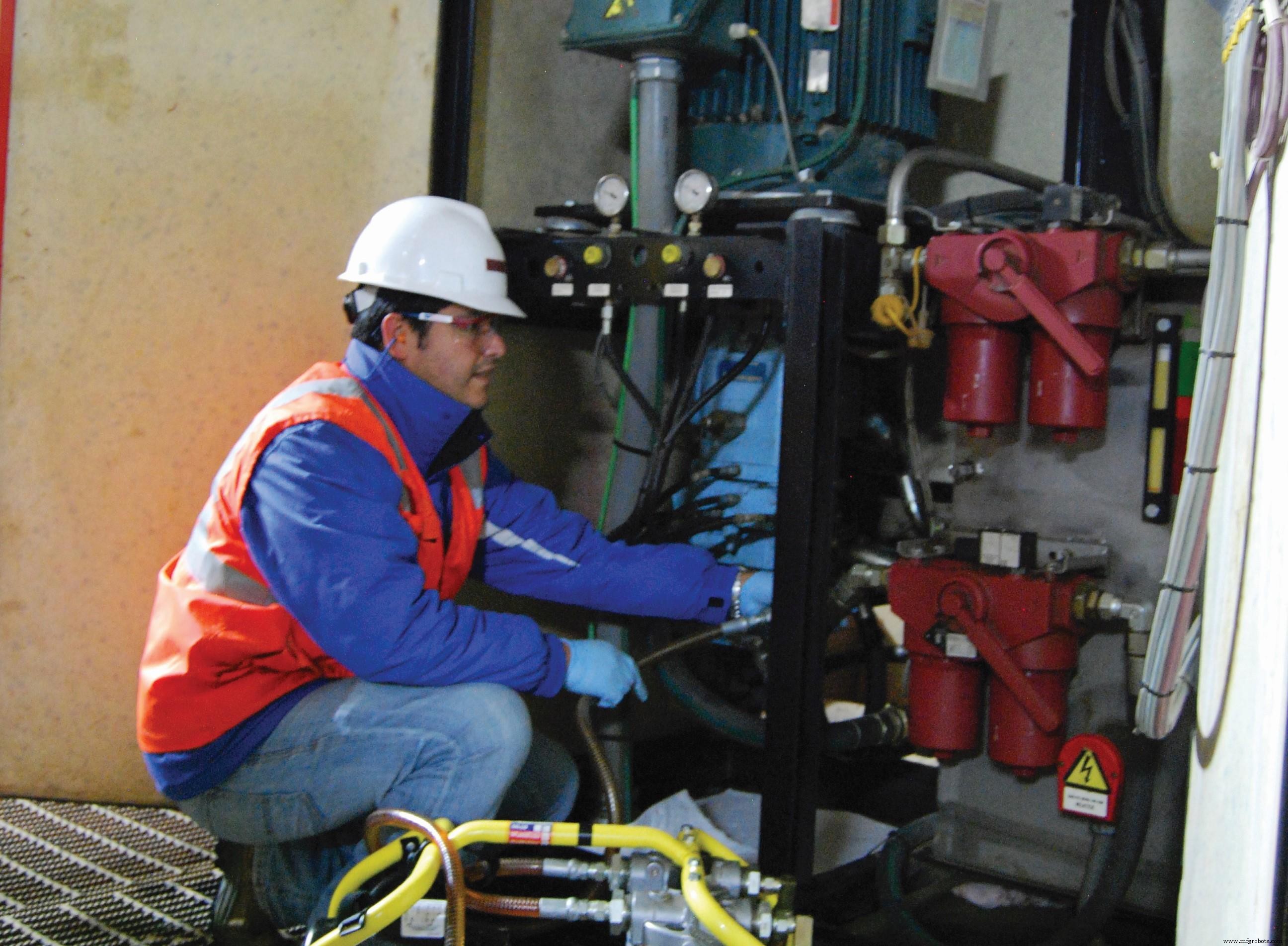
Benchmarking is a proven continuous‑improvement strategy that lets you measure your lubrication practices against industry leaders and world‑class standards. Whether you’re establishing a new program or refining an existing one, understanding where you stand and prioritizing gaps is essential for reliable operations and meaningful savings.
Below are the 12 critical aspects of lubrication that every facility should document. Missing a process in any of these areas can hide a cost‑saving opportunity. Once you identify the priorities, you’ll need the right support—whether that means training your team or partnering with a specialized service provider.
1. Contamination Control
Contamination control underpins component life and overall reliability. It begins with selecting suppliers that meet stringent cleanliness criteria and continues through handling, storage, and removal of lubricants. A holistic approach protects equipment from particulate and fluid contamination that can accelerate wear.
2. Oil Analysis
Oil analysis is more than a simple “go/no‑go” tool; it’s a predictive engine. By routinely testing oil, you can spot early signs of wear, contamination, and degradation—allowing you to replace or clean before failure occurs.
3. Oil Sampling
Quality sampling is the foundation of accurate analysis. Adhering to established sampling methods ensures consistency and reliability of the data, preventing misleading conclusions that could lead to costly mistakes.
4. Lubrication Practices
Correct lubricant selection, timing, and quantity are vital for machine longevity. Ensuring that the right oil is applied to the right component at the right time mitigates risks and maximizes performance.
5. Procedures
Well‑written procedures maintain consistency across your lubrication team. They should detail lubricant types, quantities, tools, and safety steps, providing technicians with the clarity they need to perform tasks accurately.
6. Standards & Consolidation
Applying plant‑wide standards for cleanliness, dryness, and procurement drives uniformity. While consolidation of lubricants can reduce inventory complexity, it must be balanced against the risk of compromising component‑specific requirements.
7. Storage & Handling
The storage area is the nerve center for lubrication. Strategic layout, proper segregation, and controlled access prevent contamination and facilitate efficient service.
8. Safety & Leak Management
Safety protocols and leak detection are non‑negotiable. Proactive leak management protects personnel, prevents environmental damage, and preserves equipment integrity.
9. Training & Certification
Lubrication is a skill‑based discipline that demands continuous learning. Certified technicians bring proven expertise, ensuring that critical assets receive precise service.
10. Program Management
Effective program managers understand the strategic link between lubrication and overall equipment reliability. They provide oversight, resources, and direction to keep the program on track.
11. Metrics
Data drives improvement. Establishing clear metrics—such as lubricant usage, failure rates, and downtime—provides a real‑time scorecard that highlights successes and opportunities.
12. Continuous Improvement
Benchmarking is an ongoing cycle. After implementing best practices, you should regularly re‑evaluate to maintain momentum and ensure sustained performance gains.
Benchmarking can feel daunting if you’re unsure what constitutes best practice. That’s why many organizations partner with lubrication consultants who bring cross‑industry experience and a proven methodology to the table.
Whether the gap is knowledge or outdated tribal practices, the result is often the same: uncontrolled contamination leading to premature wear and costly downtime. By contracting experienced lubrication technicians—backed by Gaubert Oil’s extensive equipment portfolio—you empower your workforce to learn from the latest industry expertise.
While no single benchmarking framework exists, most follow a similar path. Below is a streamlined seven‑step approach you can adapt to your facility.
Step 1: Identify Problem Areas
Start by reviewing your lubrication room, training records, and maintenance logs. A quick audit often reveals gaps, but deeper analysis—such as reviewing bearing life cycles—can uncover hidden issues like under‑lubrication.
Step 2: Find Comparable Facilities
Look within your organization or industry for plants that share similar equipment and processes. Peer data can serve as a benchmark for realistic performance targets.
Step 3: Pinpoint Leaders in Lubrication
Identify facilities that excel in specific lubrication areas. Industry awards or internal recognition can help spotlight those who consistently outperform.
Step 4: Visit Best‑Practice Sites
Onsite visits provide insight into the challenges these leaders faced and the solutions they adopted. Observing real‑world practices clarifies what “world‑class” looks like in practice.
Step 5: Create a Survey
Develop a questionnaire that covers each lubrication aspect. Assign weighted scores to responses so that you can quantify how closely your practices align with best practice.
Step 6: Implement Best Practices
Prioritize changes based on survey scores. If internal staffing cannot meet the demands, consider contracting lubrication technicians who can deliver expertise without expanding headcount.
Step 7: Continuously Improve
Re‑benchmark at set intervals to track progress. Use the data to refine processes, adjust training, and sustain momentum.
Benchmarking offers a clear scorecard that uncovers hidden deficiencies and drives continuous advancement. By looking beyond your own operations, you’ll discover new opportunities to elevate reliability and reduce costs.
Equipment Maintenance and Repair
- Lean Maintenance: Eliminating Waste to Boost Reliability and Cost Savings
- Standardized Fan Upgrade Solution Enhances Reliability & Longevity
- ISMI Launches RAMCalc: Web‑Based Tool for SEMI E10‑Standard Equipment Reliability Metrics
- Three Key Drivers for Superior Plant Performance
- Benchmarking for Reliability & Performance Enhancement
- Grease vs. Oil: Selecting the Optimal Lubricant for Linear Bearings
- Enhance Efficiency: Strategic Equipment Redesign for Peak Productivity
- Essential Stromag Components Every Oil Rig Must Have
- Maximize Winter Performance: How to Winterize Your Equipment & Shop
- How Fluid Analysis Boosts Equipment Reliability and Reduces Downtime