



High-Precision Tool Holders for Titanium Implant Milling – Accuracy & Reliability
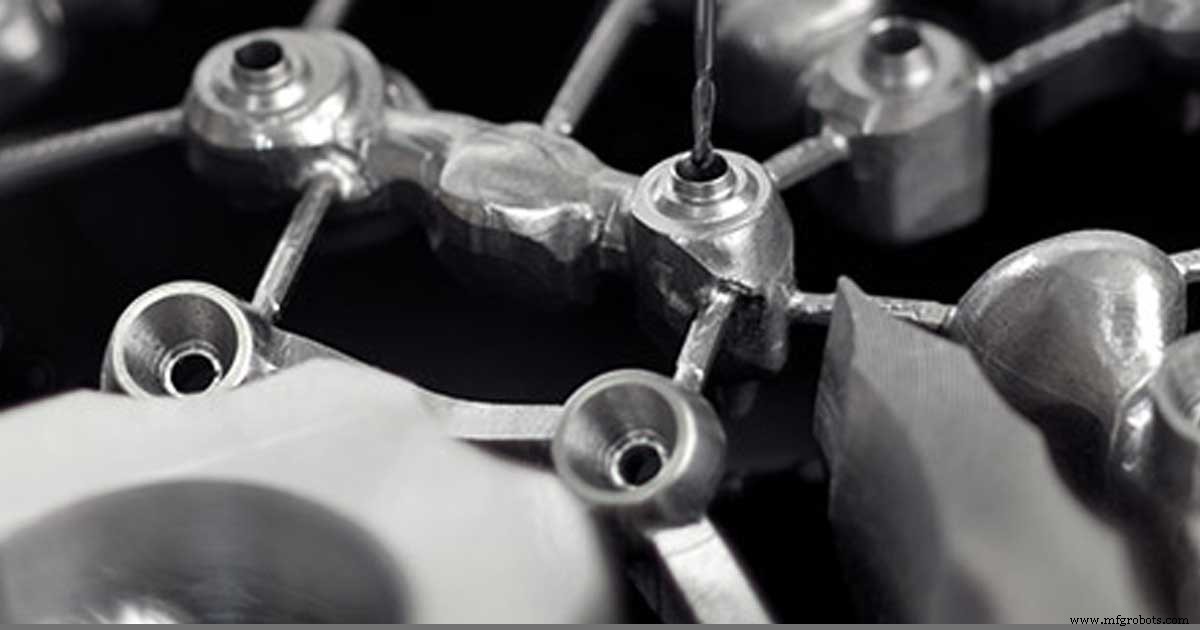
The Dental Lab Network is an online community where I’m often pulled into discussions regarding titanium implant milling using medium duty, dental-specific machinery. There was recently a thread where lab owners were inquiring about the accuracy of lighter weight benchtop models. Here is my response:
Just a few clarifications regarding the misconceptions I commonly hear within the dental industry related to milling titanium implant parts … some of which have popped up in this thread.
First of all, it’s important to note that a milling machine’s ability to cut titanium does not mean that same machine has the ability to produce implant parts. Implant geometries require a much higher level of precision and accuracy than crown and bridge applications. A couple factors (among many) that play an important role in milling implant bars and abutments successfully in titanium are machine rigidity and consistency at the tip of the tool (known as tool runout or concentricity). From my experience, a 5 micron dimensional adjustment to an implant hex has a significant enough effect between a part that fits and one that doesn’t. So if the tool’s tip is “wobbling” at 10+ microns, which can be the case in a direct shank tool-holding spindle, you’re not going to get accurate enough parts from your machine.
This is why we use Schunk Tribos HSK holders to secure the tool inside the spindle, yielding a tool concentricity of about 2 microns or less. This increases spindle life (spindle bearings hate vibrations), increases tool life, and most importantly … ensures the accuracy of the final milled part.
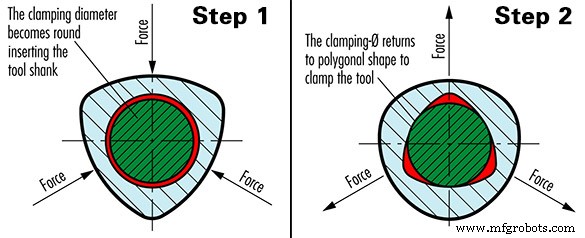
This is one of MANY machine attributes to keep in mind when you’re making the jump from simply milling titanium (as a preform or for crown and bridge applications) to complete titanium abutments and bars.
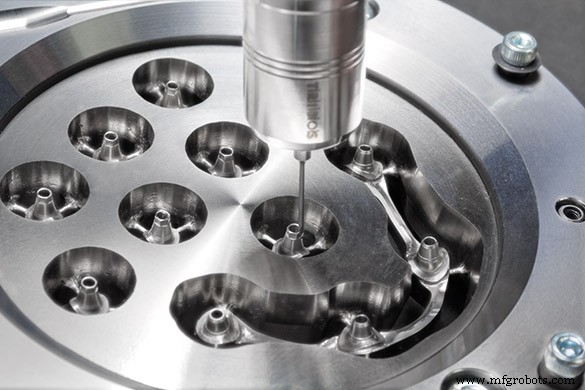
In the dental market, the D5 Dental Mill is on the only machine that utilizes this tool clamping technology. It goes to show how important DATRON’s industrial CNC experience plays a positive role in creating an easy-to-use system that still has features which increase a dental lab’s ability to produce highly precise implant parts in titanium.
Thanks for reading and happy milling!
CNC Machine
- Why Titanium is the Preferred Metal for Orthopedic Implants
- Mastering Trochoidal Milling: A Comprehensive Guide
- Choosing the Right Spindle for Milling Titanium Dental Implant Parts
- Monoblock Cutting Tool: Versatile Precision for Advanced Milling Applications
- Master CNC Milling Accuracy: Proven Steps for Precision Parts
- Helical’s HVTI-6 End Mills: 20% Longer Tool Life for Titanium High‑Efficiency Milling
- Master Titanium Machining: Selecting the Best Milling Tools for Superalloys
- Precision Machining Meets Dentistry: Mastering Bite with Advanced Milling Machines
- Milling Mastery: How Precision Machine Shops Craft Complex Parts
- Milling: How Precision Machine Shops Transform Metal into Complex Parts