



Horizontal vs. Vertical Milling: Which is Right for Your Project?
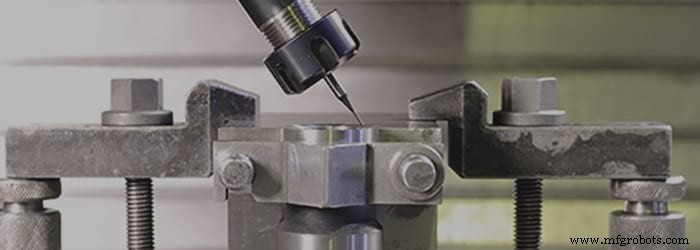
Technox Machine & Manufacturing Inc. is a full-service machine shop that specializes in high-quality machined parts and metalworking operations. We offer turnkey solutions for your machining needs, ranging from low- and high-volume productions of small goods to the production of oversized assemblies.
As part of our capabilities, we offer horizontal and vertical milling services. Milling processes use rotating cutters to remove excess material from a workpiece. Here, we’ll go over the differences between horizontal vs. vertical milling to ensure you choose the right option for your needs.
What Is Horizontal Milling?
For horizontal milling processes, the CNC machine has a spindle that’s oriented in a horizontal position. The affixed cutting tool on the spindle will then move from side to side across the length of the available space, removing excess material from the adjacent workpiece. Horizontal milling machines typically use a disc-shaped cutter resembling a saw blade.
Because of the spindle’s orientation, the mill can create deep, heavy cuts in the workpiece. This makes horizontal milling ideal for creating slots, grooves, and angled cuts. Horizontal milling machines are often the preferred choice for heavy-duty or large components because they have large beds and more powerful motors. Other key benefits of horizontal milling machines include:
- Versatility. These mills can be used at a wide variety of speeds and with different cutting tools.
- Chip evacuation. One common problem with cutting deep grooves and narrow cuts into workpieces is that chips can build up in the cuts and between moving pieces. Horizontal mills are oriented for simple chip removal, resulting in cleaner surface finishes.
- Milling on multiple sides. Horizontal mills can cut and machine multiple sides of a workpiece rather than focusing on just one side.
What Is Vertical Milling?
Vertical milling machines also feature rotating cutting tools attached on a spindle. In these machines, the spindle is oriented vertically and moves up and down to make cuts into a workpiece. There are two main types of vertical milling machines: turret mills, which are small, versatile options with a fixed spindle, and bed mills, which have a moving bed to allow for a full, 3-axis range of movement.
Some of the key benefits of vertical milling processes include:
- Cost-effectiveness. The machines are more affordable than heavier horizontal milling machines, making the process cheaper both for manufacturers and their clients.
- Available expertise. Vertical mills are the default option for most manufacturers. This makes it easier to find expert operators who can manage complex designs or unique projects.
- Reduced risk of error. The vertical spindle orientation makes it easier for operators and monitoring systems to detect potential errors or misalignment. This results in higher product quality, less material waste, and faster production overall.
Which One Is Right for Your Application?
Both horizontal mills and vertical mills offer several key benefits, and the best option depends on your project’s particular requirements. Crucial factors to consider when choosing the right process include:
- Size and shape of the piece
- Number of planes on which the piece needs to be worked
Heavier workpieces or items that need to be worked on several sides are most suitable for horizontal milling, whereas projects like sinking dies are ideal for vertical milling.
Horizontal and Vertical Milling Services at Technox
At Technox, we specialize in both horizontal and vertical milling. We have the equipment and the expertise to create a diverse array of custom parts with different machining techniques. For help determining the right milling process for your needs, contact us today, or request a quote to get started.
CNC Machine
- Horizontal vs. Vertical CNC Mills: Which Design Delivers the Best Performance
- Choosing Between Vertical and Horizontal Milling Machines: A Comprehensive Guide
- Choosing Between Horizontal and Vertical Milling & Turning: Key Differences Explained
- Vertical vs. Horizontal Milling Machines: A Comprehensive Comparison for Shop Owners
- Horizontal vs. Vertical Milling: Key Differences & How to Choose the Right Machine
- Choosing the Right Milling Machine: Vertical vs. Horizontal Options
- Choosing Between Horizontal and Vertical CNC Milling Machines: Applications & Benefits
- Understanding Vertical Machining: Definition and Key Concepts
- Horizontal Milling Machines: Basics and Choosing the Right Model
- Horizontal vs. Vertical Milling Machines: A Clear, Expert Comparison