



Mastering Efficient Laser Cutting of Stainless Steel: Best Practices & Machine Selection
1. Introduction
Stainless steel remains the backbone of modern manufacturing, prized for its strength, corrosion resistance, and recyclability. Yet, its high reflectivity and thermal conductivity make it one of the most challenging materials to laser‑cut. This guide distills proven strategies—from machine selection to parameter tuning—to help you achieve clean, high‑speed cuts with minimal post‑processing.
2. Why Laser Cutting Stainless Steel Is Challenging
Laser cutting of stainless steel can be hampered by four primary factors:
- High Reflectivity – Up to 30 % of the laser energy is reflected, reducing melt efficiency.
- High Thermal Conductivity – Rapid heat dissipation broadens the heat‑affected zone, lowering precision.
- Oxidation & Burr Formation – Oxygen‑rich atmospheres cause blackening; inadequate airflow produces burrs.
- Surface Condition – Contaminants such as oil or rust scatter laser energy, increasing spatter.
2.1 High Reflectivity
Reflective surfaces reflect a portion of the laser beam, leading to incomplete cuts and unstable edges. Proper focus and power compensation are essential to counteract this effect.
2.2 High Thermal Conductivity
Because stainless steel conducts heat rapidly, the molten zone expands quickly, requiring higher power or slower speeds to maintain a clean cut.
2.3 Oxidation & Burr Formation
When oxygen is used as an assist gas, the high temperatures produce a black oxide layer, and insufficient nozzle pressure can leave burrs that require costly deburring.
2.4 Surface Condition
Any surface contamination scatters laser energy and increases spatter, leading to uneven cut depths and reduced throughput.
3. Key Parameters for High‑Efficiency Cutting
3.1 Laser Power Selection
Laser power must be matched to sheet thickness. The table below provides a benchmark for typical fiber‑laser systems (≥ 1 kW). Adjustments may be needed based on machine geometry and material grade.
| Thickness (mm) | Recommended Power (kW) |
|---|---|
| 1 mm | 1–2 |
| 3 mm | 2–3 |
| 5 mm | 3–6 |
| 10 mm | ≥ 6 |
3.2 Cutting Speed Optimization
Speed must balance heat input and material removal. For 2 mm sheets, a speed of 8–12 m/min often yields clean edges, while thicker sheets benefit from 4–6 m/min. Continuous speed adjustments during the job can accommodate variable thicknesses.
3.3 Assist Gas Selection
Choosing the right gas is critical:
- Nitrogen – Non‑oxidizing, produces smooth edges but is costlier.
- Oxygen – Enhances penetration for > 5 mm sheets; may cause blackening.
- Air – Economical but can leave rough edges and increased burrs.
3.4 Focus Position & Nozzle Settings
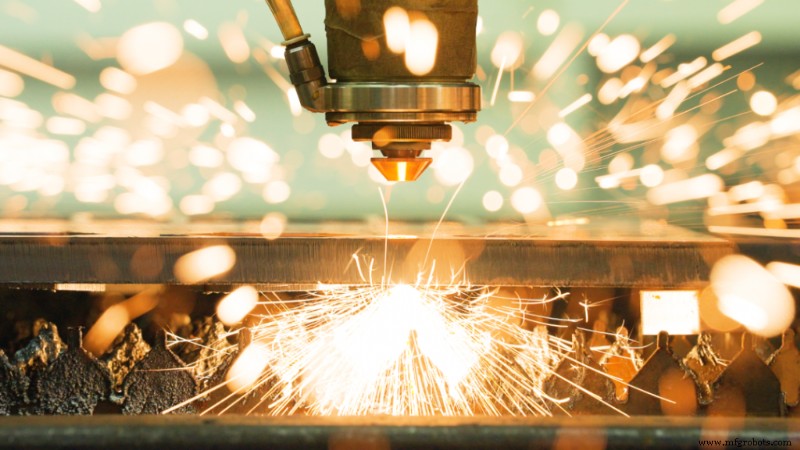
Accurate focus (typically 0.2–0.5 mm above the surface) and proper nozzle pressure (10–15 bar) prevent incomplete penetration and slag build‑up.
3.5 Surface Preparation
Wipe sheets with lint‑free cloth and degrease with isopropyl alcohol before cutting. Even minor residues can scatter the beam and create irregular cuts.
3.6 Choosing the Right Machine
Two main laser technologies dominate the market: fiber and CO₂. Below is a quick comparison.
3.6.1 Fiber Laser
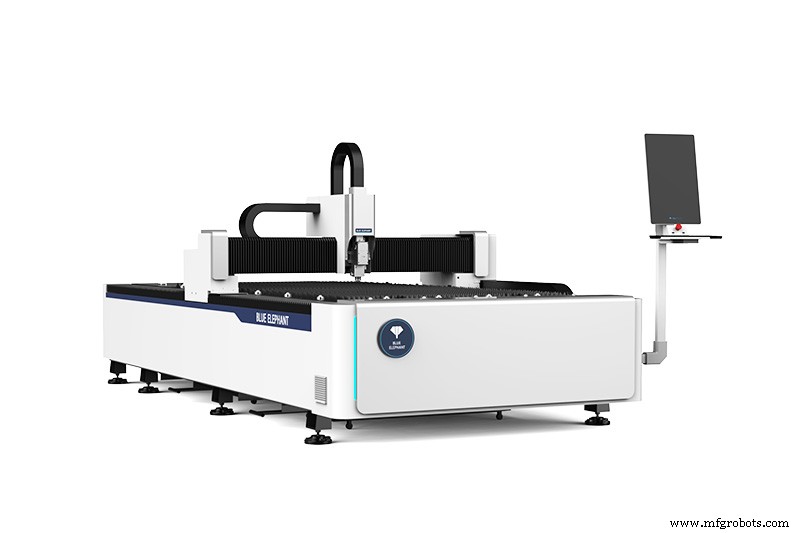
Fiber lasers offer:
- Higher power density → faster cuts
- Lower maintenance (no optics to clean)
- Better energy efficiency (≈ 70 %)
- Ideal for automated production of thin to medium thicknesses
3.6.2 CO₂ Laser
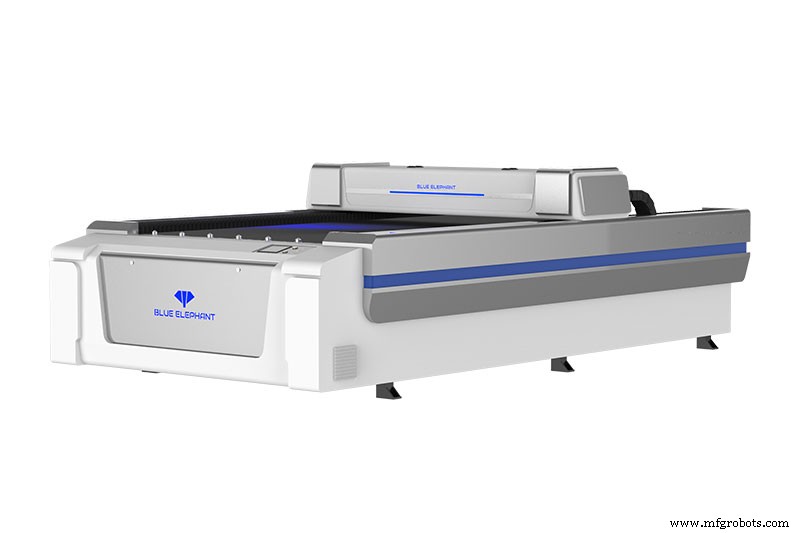
CO₂ lasers excel at:
- Cutting very thick sheets (up to 30 mm) with oxygen assistance
- Mature technology with proven reliability
- Lower upfront cost but higher running energy consumption
Industry trend: Fiber lasers are increasingly preferred for high‑volume stainless steel work due to their speed, precision, and lower operating costs.
4. Safety Precautions
4.1 Laser Protection
Laser operators must wear ANSI‑rated safety glasses and work inside an enclosed booth to prevent eye or skin exposure.
4.2 Fume Control
Install a dedicated fume extractor to capture metal‑oxide fumes, protecting both personnel and machine longevity.
4.3 Ventilation
Ensure the shop has adequate air‑flow (≥ 0.5 m³/s per square meter) to disperse heat and toxic gases.
4.4 Operator Training
Comprehensive training should cover:
- Parameter setting for various thicknesses
- Safe handling of lasers and gases
- Troubleshooting common issues (burrs, edge discoloration)
- Maintenance of nozzles and optics
5. Common Problems & Practical Solutions
| Problem | Cause | Solution |
|---|---|---|
| Burnt Edges | Low speed or excessive power | Increase speed or reduce power |
| Severe Burrs | Inappropriate speed | Adjust cutting speed |
| Serrated Edges | Dirty nozzle or misaligned beam | Clean nozzle or realign beam |
| Board Deformation | Excessive heat | Optimize path or reduce power |
| Oxidized Edges | Oxygen assist | Use nitrogen or apply post‑polish |
6. Frequently Asked Questions
Q1. Does stainless steel laser cutting need post‑processing?
With nitrogen assist, edges are usually clean enough for assembly. Oxygen‑assisted cuts may need deburring or polishing to remove oxidation.
Q2. How often should I replace laser nozzles?
Inspect nozzles every 500–1,000 hours of operation. Replace them when you notice clogging or dimensional drift.
Q3. Are fiber lasers suitable for thin stainless steel?
Yes. Fiber lasers provide high precision and speed for 0.5–5 mm sheets, making them ideal for automotive trim and medical components.
Q4. Can laser cutting damage stainless steel?
Only if parameters are mis‑set—excessive power or wrong focus can warp the material. Always calibrate before starting a job.
Q5. Which industries use stainless steel laser cutting?
Automotive, aerospace, construction, medical equipment, and decorative metalwork all rely on laser‑cut stainless steel for its strength and finish.
7. Conclusion
By carefully selecting laser power, speed, assist gas, and machine type—and by maintaining rigorous safety and maintenance protocols—you can unlock high‑throughput, high‑quality stainless steel laser cutting. For manufacturers seeking a reliable, cost‑effective solution, our 16‑year‑old line of fiber‑laser machines meets CE, ISO, and RoHS standards, delivering consistent performance across a wide range of sheet thicknesses.
Explore more:
- Best Stainless Steel Laser Cutting Machines & Projects
- 2 mm Stainless Steel Online Laser Cutting
- Fiber Laser Cutting of 2 mm & 8 mm Stainless Steel
CNC Machine
- E-70A Automatic Edge Banding Machine – Pneumatic Tape Adjustment for Precise Edge Finishing
- CNC Sculpting: How Computer‑Controlled Machines Revolutionized Art
- Osai SSL Command: Set Spindle Speed Limits with G96
- ATC CNC Routers: Precision Cutting Power for Professionals
- Laser Engraving vs Etching vs Marking: Which Machine Is Best for Your Applications
- Prototyping vs. Final Production: Key Differences Explained
- Turn Your CNC Router Into a Profitable Business
- Mastering CNC M-Codes: A Comprehensive Introduction
- CNC Milling Explained: Precision Manufacturing for Complex Parts
- Precise Zero‑Point Setup for CNC Routers: Avoid Tool‑Table Collisions