



Expert Guide: Selecting the Right Laser Engraver for Your Business
Choosing a laser engraver is a pivotal investment that shapes your production line or creative workflow. This guide breaks down the essential technical and practical considerations, helping you pick a machine that delivers precision, reliability, and long‑term value.
I. Laser Source and Power
The laser source is the heart of the system. Its type and wattage define the materials you can work with and the speed of your operation.
1. Matching Laser Type to Material Needs
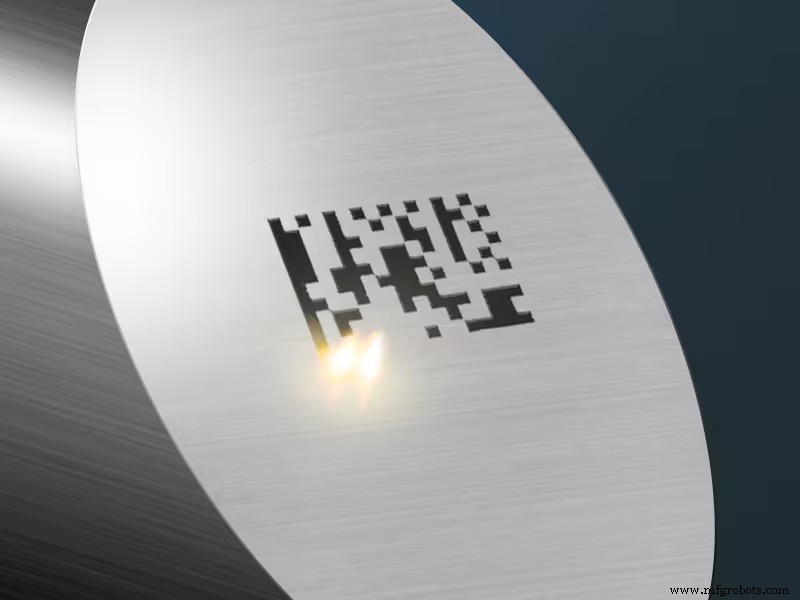
- Fiber Lasers – Ideal for metal marking. They quickly etch steel, aluminum, and titanium with minimal maintenance.
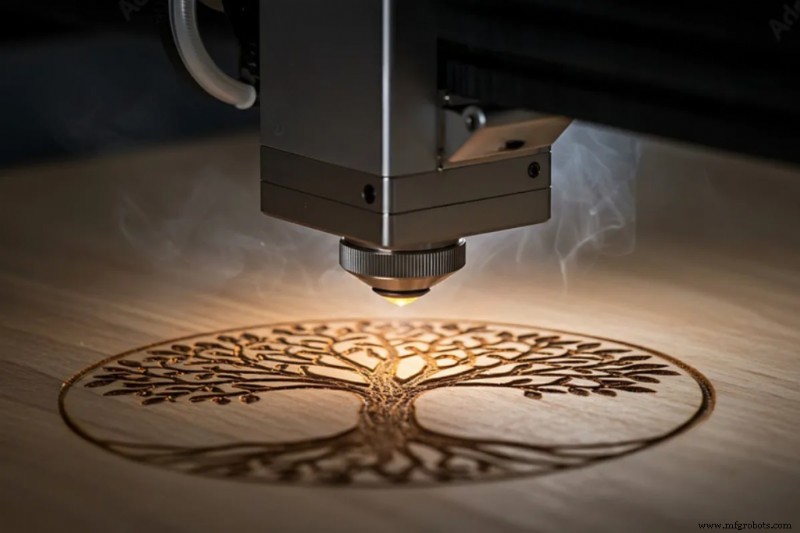
- CO2 Lasers – The go‑to choice for non‑metals. They cut and engrave wood, acrylic, glass, and leather, but require careful cooling.
- Wavelength Matters – Confirm the machine’s wavelength: 10.6 µm (CO₂) for wood, 1.06 µm (Fiber) for metal.
2. Assessing Required Power (Wattage)
- 40–60 W – Suitable for hobbyists and light etching; slower for cutting.
- 80–150 W – The industry standard for mid‑size commercial use; balances speed, depth, and versatility.
- 150 W+ – Industrial power for high‑volume, deep engraving; maximizes throughput and profit.
II. Structural Integrity and Motion System
A robust frame and precise motion control prevent vibration and maintain accuracy at high speeds.
1. Frame Rigidity and Stability
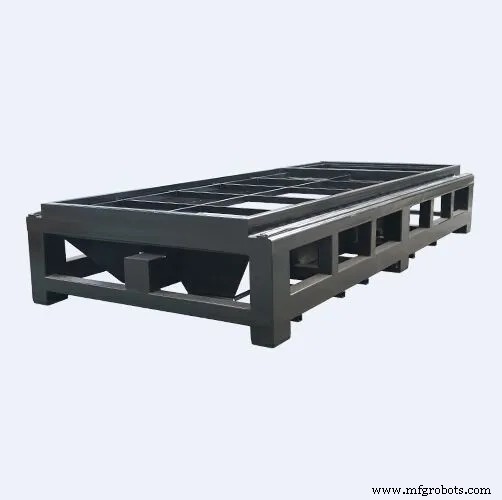
- Welded steel frame – Heavy, welded construction absorbs vibration and maintains fine detail.
- Thermal relief – Stress‑relieved frames resist warping over time.
- Machine footprint – Ensure the unit fits your workspace, including material storage and workflow.
2. Motion Control and Component Quality
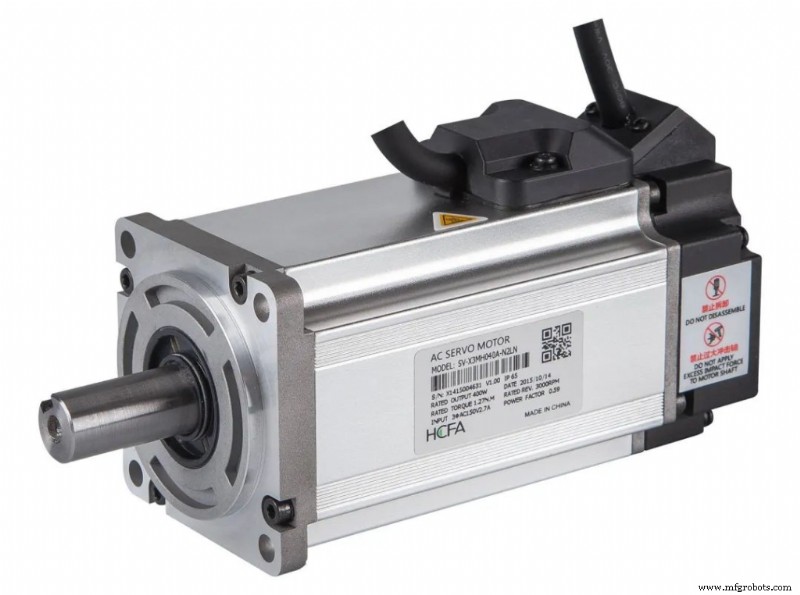
- Servo vs. stepper – Servo motors offer faster, more accurate control; steppers are cheaper but slower under load.
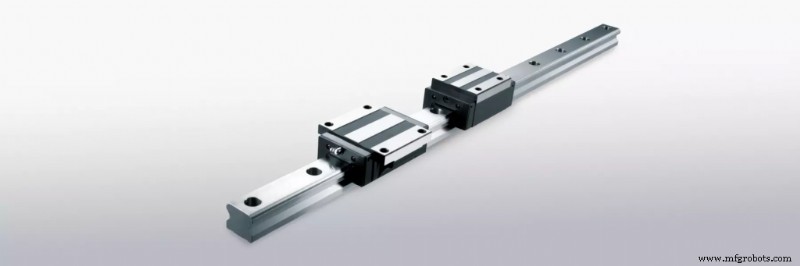
- Linear guide rails – Hardened steel industrial guides ensure smooth, repeatable motion.
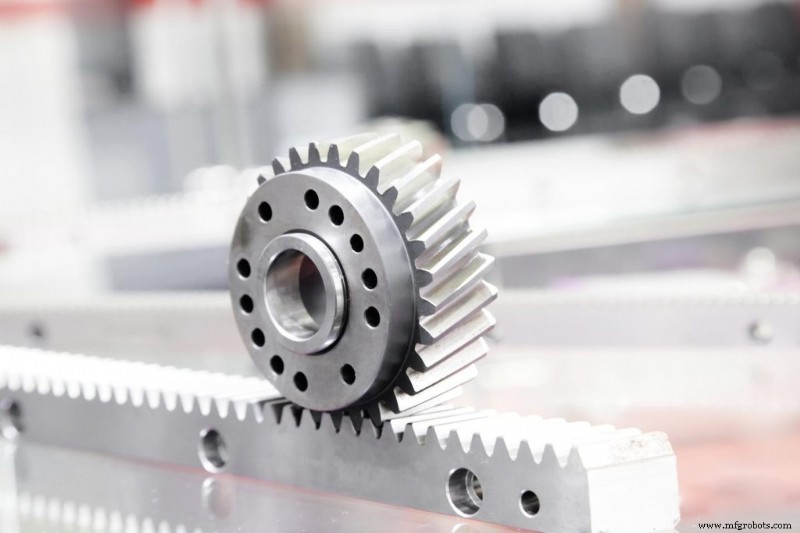
- Belt vs. rack‑and‑pinion – Rack‑and‑pinion systems provide better rigidity for heavy beds; belts are common on smaller units.
III. Optical System and Beam Quality
The optics deliver the laser’s power; quality directly impacts consistency across the bed.
1. Lens and Mirror Quality
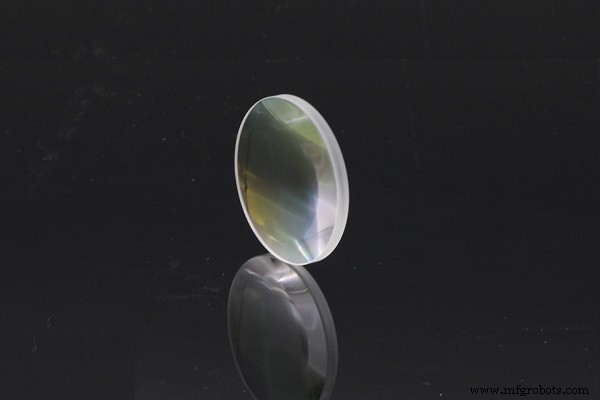
- Lens material – For CO₂ lasers, ZnSe lenses reduce energy loss; low‑grade optics scatter the beam.
- Focal spot size – A smaller spot yields finer detail; it’s governed by lens design and beam quality.
- Coating durability – Anti‑reflective coatings maximize light transmission.
2. Calibration and Cooling Requirements
- Beam alignment – Proper alignment keeps power consistent across the table; quality builds hold alignment longer.
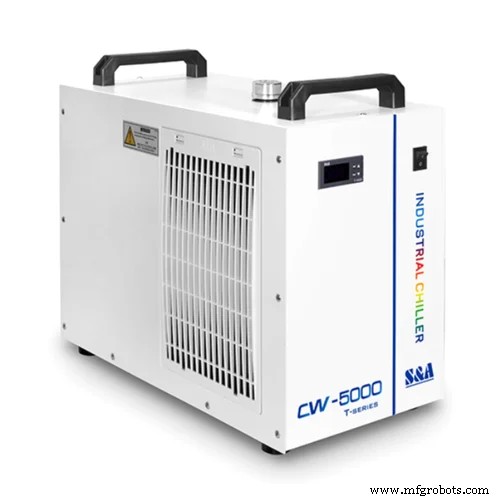
- Industrial chiller – Mandatory for CO₂ tubes to maintain stable temperature and power output.
- Air assist & extraction – High‑pressure air cleans the lens; robust fume extraction protects operators.
IV. Work Area and Throughput
The bed size and features dictate the machine’s real production capacity.
1. Work Bed Features
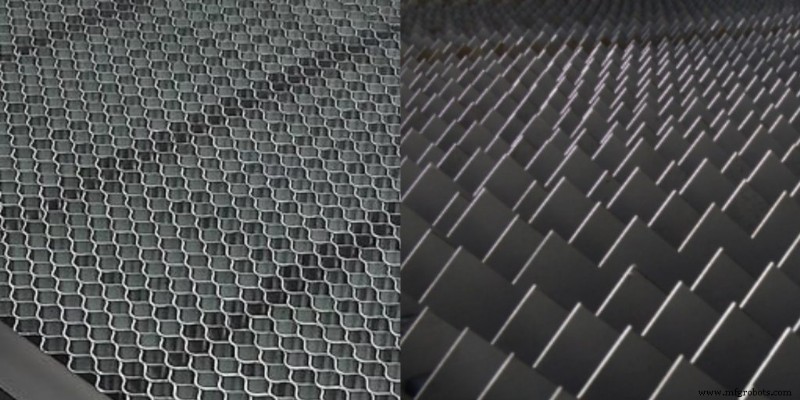
- Honeycomb vs. blade table – Honeycomb is great for small parts; blade tables support heavier materials.
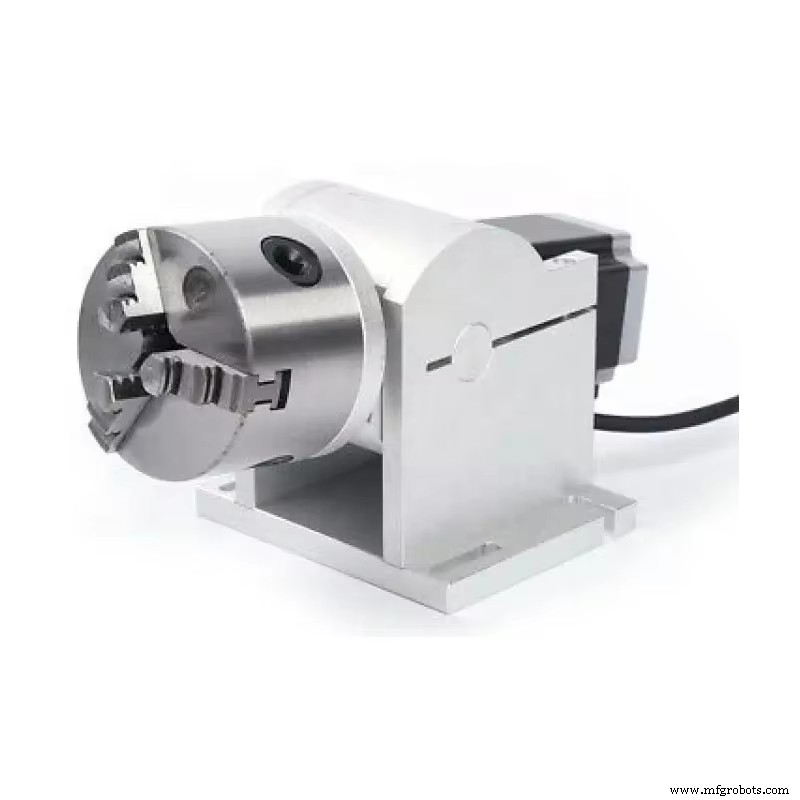
- Rotary axis – Enables engraving on cups, bottles, and other round objects.
- Pass‑through functionality – Front and back doors allow feeding long materials, essential for large‑sign production.
2. Engraving vs. Cutting Speed
- Engraving speed (raster) – Up to 2000 mm/s; requires a responsive motor system.
- Cutting speed (vector) – Slower but demands higher power; accuracy at low speeds is critical.
- Processing time – Calculate total cycle time for typical parts to gauge profitability.
V. Software and Workflow Integration
The CNC control software is the machine’s brain. Intuitive, feature‑rich software reduces errors and saves time.
1. Compatibility and Features
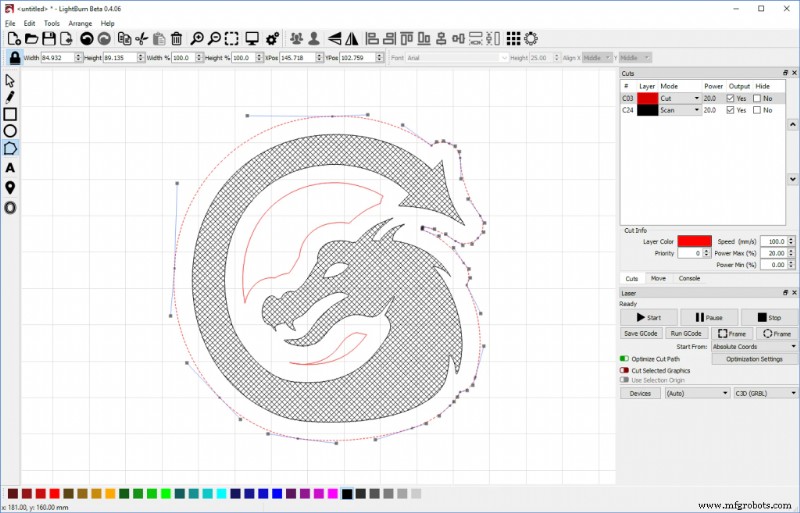
- Industry standards – Compatibility with LightBurn or robust proprietary systems; supports .DXF, .AI, .SVG.
- Material profiles – Save and recall settings to eliminate repetitive testing.
- Ease of use – A logical interface shortens operator learning curves.
2. Advanced Functions
- Kerf compensation – Automatically offsets cut paths for precise interlocking parts.
- Nesting software – Optimizes part placement on sheets, dramatically reducing material waste.
VI. Manufacturer Support and Warranty
Long‑term success hinges on reliable support and comprehensive warranty coverage.
1. Warranty and Technical Expertise
- Component coverage – Look for coverage of laser source, power supply, and motors; ask about repair response times.
- Support availability – Prefer local phone or remote support that respects your time zone.
2. Spare Parts and Documentation
- Parts stock – Ensure essential spare parts are in stock; avoid long lead times for proprietary components.
- Documentation – Clear manuals and online video tutorials accelerate operator training.
- Longevity – Choose manufacturers with a proven track record of quality control.
VII. Why Blue Elephant?
Blue Elephant isn’t a reseller; we manufacture every machine, from frame welding to final calibration. This vertical integration guarantees consistent quality and faster troubleshooting.
1. Full Ownership
We control every production step, ensuring each unit meets our stringent standards before it leaves the factory.
2. Direct‑to‑Consumer Value
By cutting out distributors, we offer industrial‑grade components at a fairer price, boosting your return on investment.
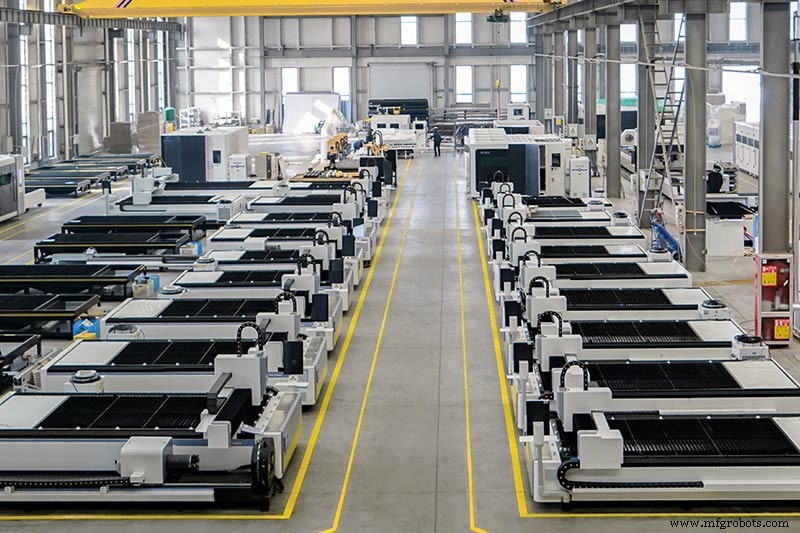
3. Best‑Selling Models for Maximum Uptime
Our portfolio is engineered for modern industrial workflows, consistently delivering performance and reliability.
VIII. Model Comparison
| Feature | Fiber Laser Engraver (Industrial) | CO₂ Laser Engraver (Entry/Mid‑Level) |
|---|---|---|
| Ideal Materials | Bare metals (steel, aluminum, brass) | Wood, acrylic, leather, glass, paper |
| Primary Process | Marking, etching, deep engraving | Cutting and engraving |
| Typical Power | 20–100 W | 60–150 W |
| Edge Quality | High‑contrast, clean mark, minimal heat effect | Smooth, often flame‑polished on acrylic |
| Maintenance | Very low; solid‑state design | Requires chiller and periodic mirror cleaning |
| Cost Driver | Laser source and motion system | Laser tube replacement |
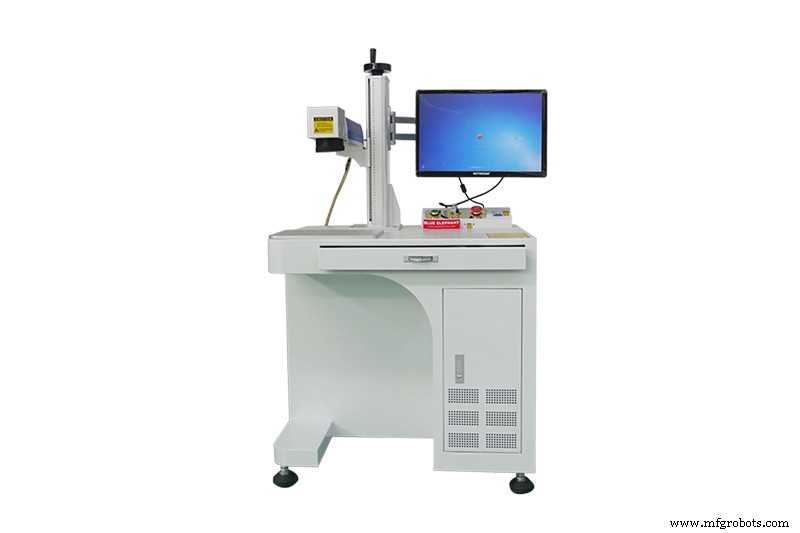
1. Fiber Laser Engraver – 200F
The 200F fiber laser marking machine offers a compact desktop footprint, rapid marking speed, long service life, and flexible installation. It excels at small‑part identification, high‑precision marking, continuous operation, and wide material compatibility.
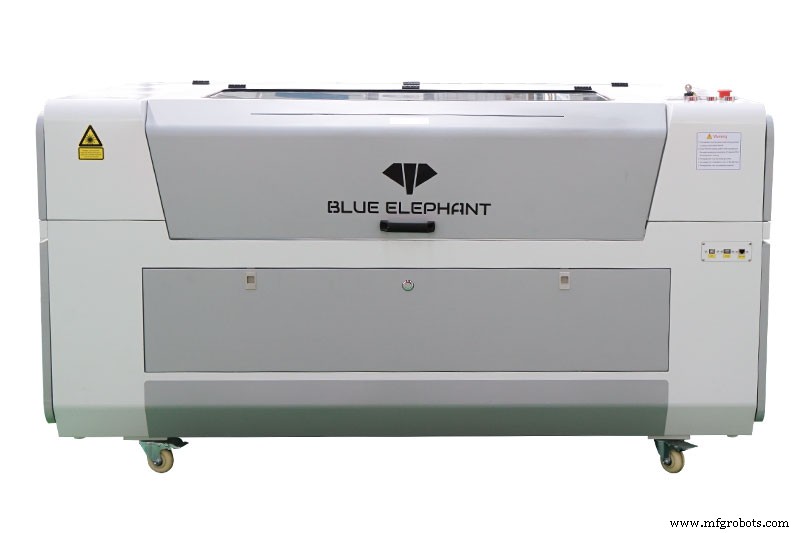
2. CO₂ Laser Engraver – 1390
The 1390 CO₂ laser engraver, equipped with a 100 W tube (options from 60 W to 150 W), is ideal for woodworking, acrylic fabrication, and craft studios. It delivers detailed engraving and versatile material processing across a 1390 mm work area.
IX. Conclusion: Invest in Precision, Invest in Profit
Choosing the right laser engraver is an analytical decision, not a guess. Prioritize frame rigidity, optical quality, and reliable support. A budget machine may save money upfront but often costs more in wasted time and scrap. Quality equipment protects your profit margin and builds your brand’s reputation.
Blue Elephant combines world‑class mechanical components with smart software features, delivering industrial quality at exceptional value. Ready to achieve guaranteed precision? Explore our CO₂ and fiber laser engraver series today, request a custom quote, and elevate your production capabilities.
Read more related news:
- How Much Does a Laser Engraver Cost?
- What Can You Do With a Laser Engraver?
- How To Make Money With a Laser Engraver?
CNC Machine
- Centroid CNC Alarm & Error Messages Guide for T-Series/M-Series Controls
- Mastering New Product Introduction (NPI) in Manufacturing: Key Steps for a Winning Launch
- Discover 5 Key Insights About the DATRON M8 Cube
- Face Milling Explained: Process, Tool Selection, and Expert Tips
- How to Become a CNC Machinist: Training, Skills, and Career Path
- How to Safely Remove a Broken Tap from a Threaded Assembly
- How Temperature Impacts CNC Machine Performance – Expert Tips for Precision
- Protect Your CNC Machine with Reliable Cabinet Cooling Solutions
- Preventing Tool Deflection: Causes, Consequences, and Practical Remedies
- Haas CNC Lathe Soft Jaws Cutting: Expert Guide for ID Gripping