



Purchasing an Excavator: 11 Essential Factors to Evaluate During a Demo
Over the years I’ve helped a lot of customers evaluate different types and sizes of excavators to help ensure they’re buying a machine best-matched to their particular type of work. During a demonstration, it’s important to have a holistic view from your entire team — from the owner and fleet manager to the operators, service managers and techs.
Productivity is typically top of mind during an excavator demo, but there are other aspects of a machine to ask about and try out. Below are a few things you should ensure are on your team’s checklists when buying an excavator and conducting an excavator demonstration.
EXCAVATOR DEMO CONSIDERATIONS FOR OWNERS AND FLEET MANAGERS
#1 – Total Cost of Ownership (TCO): The initial purchase price is important, but it’s only one factor to determine how much buying an excavator can impact your earnings, plus what it will likely cost you to get the work done. Most dealers and manufacturers can help you determine the TCO of an excavator that will be working in specific applications. Make sure the excavator you go with will give you the biggest return on your investment for the time you intend to keep and run the machine.
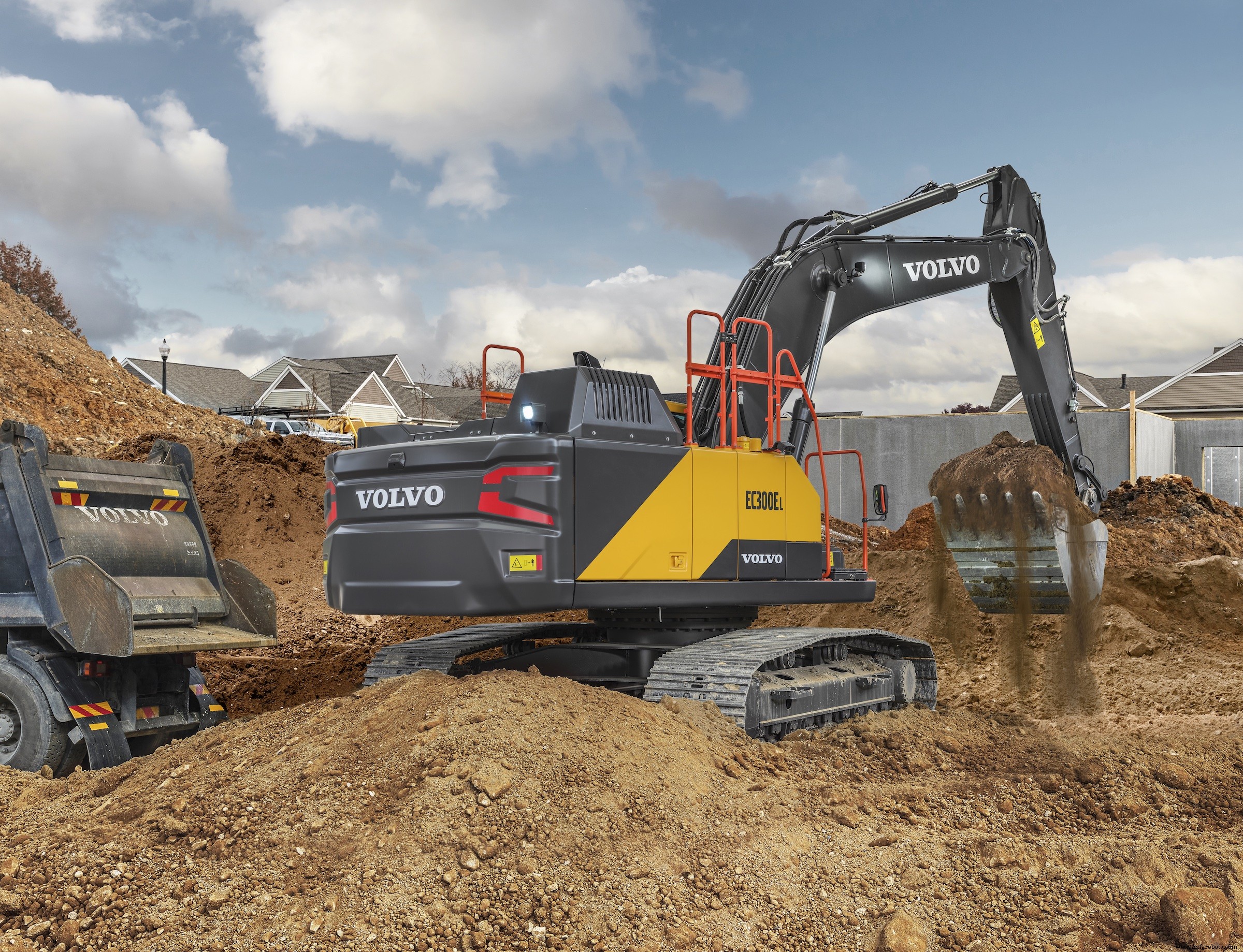 #2 – Fuel Efficiency: If you can get the same amount of work done and burn less fuel doing it, that should be a factor in your decision-making process. Over time, fuel consumption can become a big number in your operating expenses, eating away at your profits. As a part of evaluating TCO, ask about operator features that adjust power for specific types of work. Volvo integrated work modes, for example, allow operators to get full power without running at full throttle, saving you on fuel costs.
#3 – Cycle Times: Check the cycle times to see how long it takes to lift from ground level to loading the truck and back. Be sure to use the same loading set up (same-level loading versus side loading, for example) to get accurate times. Cycle times are another factor to properly determine TCO of an excavator — you may learn that you can load more trucks faster, improving productivity (while lowering fuel consumption) over time.
EXCAVATOR DEMO CONSIDERATIONS FOR OPERATORS
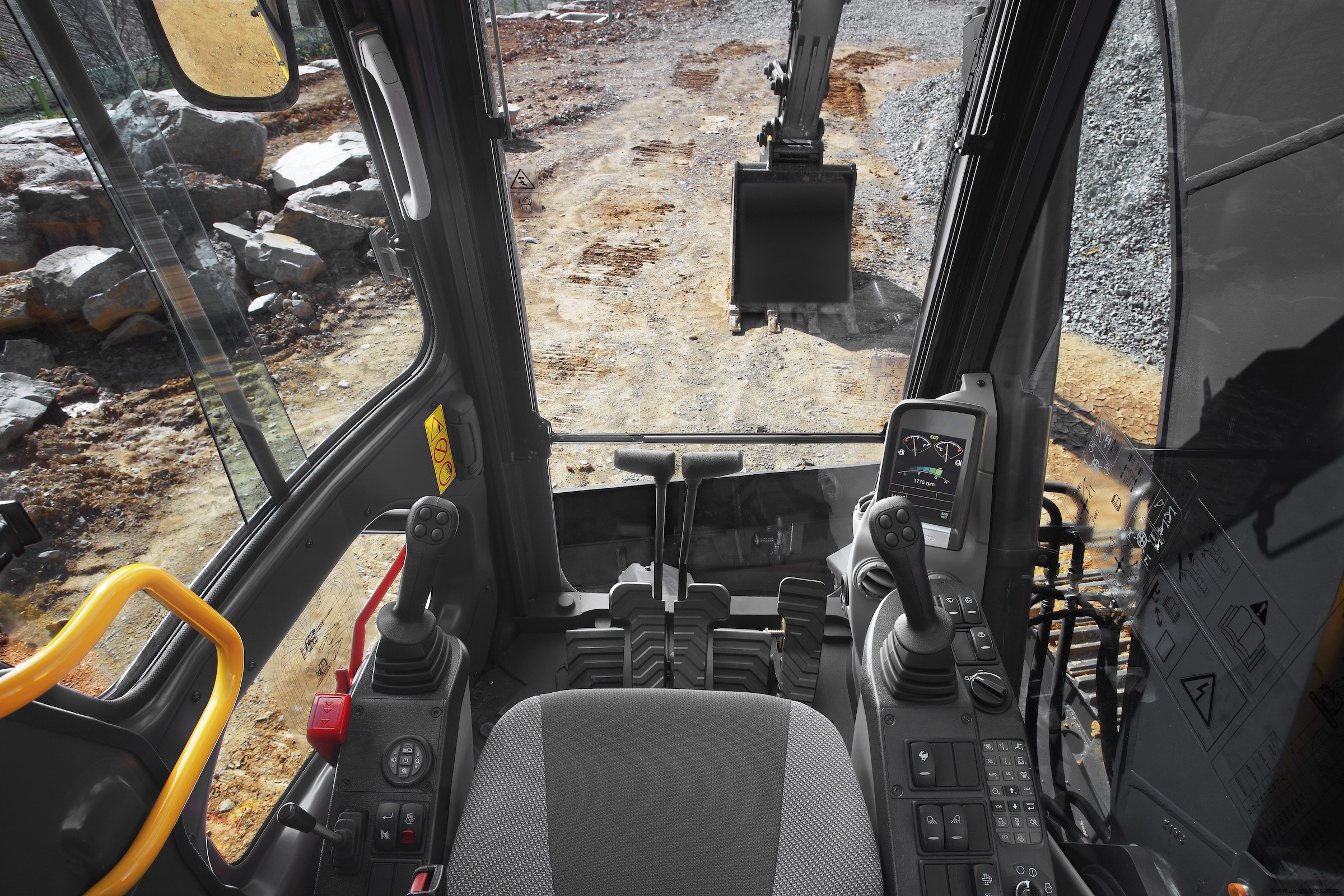
#4 – Comfort and Access to Controls: You’ll probably be in the excavator all day, so comfort should be a priority. Is the seat comfortable and adjustable? Can you adjust the joysticks to the right height, and are they sensitive enough? These are the kinds of things to be looking for. Some OEMs cut costs by cutting back on cab design, but that can add a lot of strain throughout the day, potentially minimizing your productivity. If you’ve never sat in a Volvo cab, I recommend it. Volvo cabs are top-of-the-line with an adjustable seat and joystick console that move independently.
#5 – Visibility: When you’re in the cab, take note of your visibility to the boom and attachment, plus the side and back of the machine. Does the excavator have backup cameras? Can you see what’s going on? Does it have radar so that if you swing around and get close to something you hear an alarm? These types of features improve productivity, but more importantly, they help keep everyone on jobsites safer.
#6 – Balance: Does the excavator feel stable while you’re loading? If you’re moving an appropriate amount of material in your bucket, the excavator should always feel smooth. If it jostles or ever feels like it might tip over during the demo, you should speak up — for obvious safety reasons, but also, that movement will impact you throughout the day.
#7 – In-Cab Machine Control Apps: I realize many operators will say these types of apps aren’t absolutely necessary, but having a display in your cab that can tell you how deep to dig, in what direction, at what angle and more — all in real time — can improve your accuracy and eliminate rework. Programs like this aren’t intended to make up for poor performance — they’re designed to help you meet job specs every time the first time.
EXCAVATOR DEMO CONSIDERATIONS FOR SERVICE MANAGERS AND MECHANICS
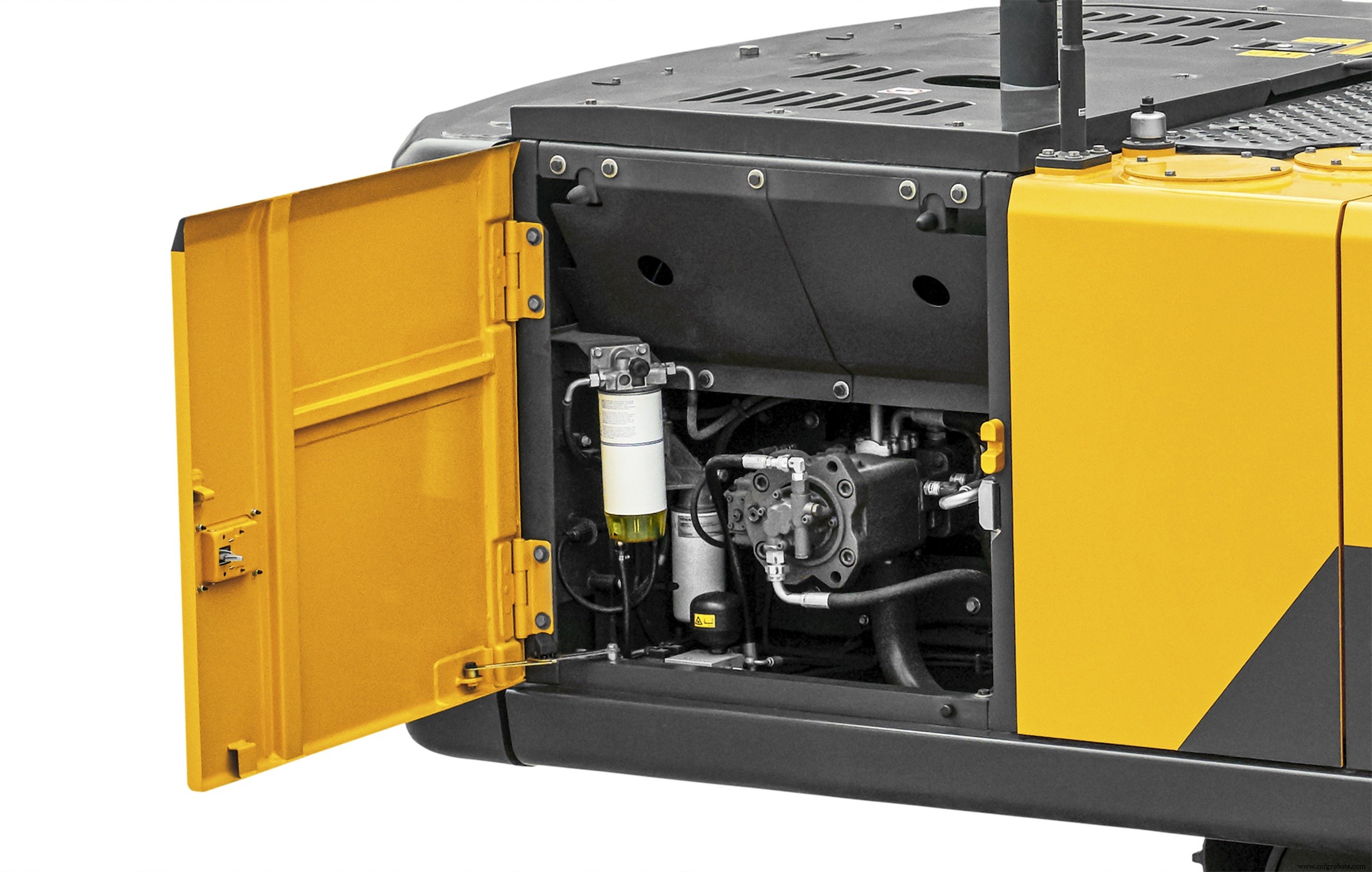 #8 – Service Access: Easy service access makes for faster maintenance turn times. Are the excavator service access points on ground level or do you have to climb up on the machine to get to everything? Are the access points in safe areas? Are components routed properly so you can get to them or would it require you to take the engine out to get to a fitting? Ask yourself these types of questions to get a better understanding of what it will actually take to perform routine maintenance.
#9 – Telematics Support: Telematics can provide good insights on machine management, but if you’re bombarded with alarm codes that don’t really tell you what’s critical, you’re not really getting valuable information to improve your business. Ask about the type of telematics support offered by your OEM, and determine if it’s easy to manage. Advanced programs like Volvo ActiveCare Direct actually filter out codes to provide simpler case alerts that only address critical issues you and your team need to know about. It makes machine management easy, and it helps prevent costly downtime.
#10 – Warranty: In addition to the powertrain excavator warranty to see what’s covered and for how long, find out how long the excavator’s frame and structure are covered as well. Most excavator applications put a lot of stress on the machine. Damage to the frame or structure can put an excavator down for weeks —and it’s costly to repair. If you can get a lifetime warranty on the frame, boom and arm, that takes those parts out of the equation — you know they’re always covered.
#11 – Common Service Parts: If you run a fleet of different machines, you should check to see if the new excavator has the same parts as your existing equipment. Common parts like filters and hoses make service much faster and easier. With Volvo, for example, an L220H wheel loader, an EC480E excavator and an A40G truck all run Volvo D13 engines — so all the filter and engine parts are common, making routine maintenance a much simpler process.
PREPARATIONS FOR AN EXCAVATOR DEMONSTRATION
Before I do an excavator walkaround and demonstration, I like to ask for a list of anything that’s currently bugging a customer. I don’t use it to call out issues with current equipment — for me, it helps to have that information to know if I have a solution to solve their problem. If, for example, a contractor tells me his current excavator is burning 20 gallons an hour, I know to point out specific fuel-saving features that can help us determine together if we can get the fuel consumption numbers down.
Here are a few top questions to ask yourself before an excavator demonstration:
- What models are we currently running and are we happy with productivity?
- Do I need to increase my current productivity, and if so, by how much?
- What size trucks are we loading? Have we properly matched the excavator so that each truck can be filled within 4-6 buckets max?
- What is the site condition? Do I need more guarding for rocks/grouser configuration (single, double or triple)? Do I need rubber track pads (undercarriage parts are a big expense if they’re not the correct spec or not maintained properly)?
- What attachments do I currently own and will I be able to use them going forward?
For your next excavator demonstration, be sure to prepare and take checklists that your team can use to evaluate the machine thoroughly. Getting a holistic view from key roles can help make sure the machine you ultimately go with will help you maintain or increase productivity, maximize efficiencies and keep crews safe on your jobsites. Once you’ve purchased your next machine, be sure to use this excavator prestart checklist to keep it up and running its best down the road.
What to Look for in a Demolition Cleanup Excavator
When it comes to excavators used for demolition cleanup, many contractors think of them simply as commodities — machines that ...Read More
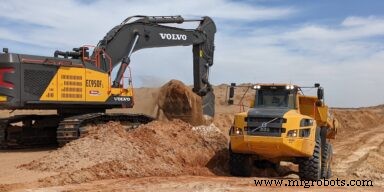
How to size and get the most out of your Mining Excavators and Haulers
In mining, it’s important to match excavators to your haul trucks to lower your total cost of ownership (TCO) for ...Read More
By Danny Freeman, Application Training Specialist
Industrial equipment
- Choosing the Right Hand Truck: 5 Key Factors to Consider
- How to Choose a Reliable Used Generator: Key Considerations
- Top 9 Serviceability Features Every Excavator Buyer Must Check
- Key Factors to Evaluate Before Purchasing a Used Air Compressor
- Top 5 Essentials to Evaluate Before Buying a Used Coffee Roaster
- 6 Essential Factors to Evaluate Before Purchasing a 3D Printer
- 5 Essential Factors to Evaluate Before Purchasing Used Manufacturing Equipment
- 9 Essential Factors to Evaluate Before Purchasing a Vertical Knee Mill
- Top 5 Factors to Evaluate Before Purchasing a CAT Excavator
- Key Factors to Evaluate Before Purchasing a Linde 2PV-TS Hydraulic Pump