



Refrigerant Charging Explained: Why Proper Gas Levels Matter

All air conditioners and refrigerators rely on the correct charge, or amount of refrigerant gas in their systems, to work correctly. Refrigerant charging refers to the replenishment of these gases when system repairs or leaks have caused depleted levels. Refrigerant charging may be carried out using bulk refrigerant containers or charging kits which generally only hold enough gas for one charge. In either case, a refrigerant charging manifold with its associated hoses, valves, and gauges is needed to complete the operation. Recharging of refrigerant gas is typically carried out via a non-return service port or valve fitted to the system.
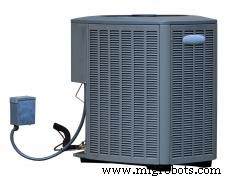
Air conditioning units and refrigerators are designed to operate correctly with a predetermined charge of refrigerant gas. Under perfect operational conditions, air conditioners and refrigerators would never require recharging but leaks do sometimes develop which deplete refrigerant charges. Repairs to these systems also require the draining and subsequent recharging of the refrigerant. There are several quick pointers during normal operation which indicate a depleted refrigerant charge. These include low system efficiency, noticeably lower temperatures from the condenser fan, icing up of the coils, and localized oily residue on pipes which may indicate a leak.

If a depleted refrigerant charge is suspected, the condition should be verified using a set of system pressure gauges; this verification procedure may have to be carried out by a qualified technician. If the result is positive, the system should be recharged as soon as possible because low refrigerant charges place excessive loads on the compressor. Most refrigeration and air conditioning systems will feature a service valve to facilitate recharging the system. These valves are typically of a Schraeder non-return design which allow for refrigerant charging without any loss of system pressure. The recharging process is carried out from a cylinder or recharge kit of relevant refrigerant via the manifold and gauge assembly.
Refrigerant charging is carried out with the compressor running to ensure even charging. The system should also be given time to warm up to normal operational temperatures before recharging commences. When recharging, refrigerant gas should be added in small increments to avoid overloading the system. Between each gas input, the system should be allowed to run for a short time to allow the gas charge to settle and the pressure checked. When the pressure is within the manufacturers operation specifications, the supply valve on the cylinder can be closed and the manifold removed from the system.
Industrial equipment
- Proper Refrigerant Charging Procedure for Shipboard Refrigeration and AC Systems
- Key Components of a Reliable Compressed Air System
- Key Factors Influencing Oil Performance in Hydraulic Systems
- Understanding Utility Pole Identification Systems: Purpose, Benefits, and Implementation
- Understanding Compound Pulley Systems: Reducing Effort and Enhancing Lift Efficiency
- Understanding Ventilation Systems: Keeping Your Indoor Air Fresh and Healthy
- Understanding Mechanical Refrigeration: How It Keeps Us Cool
- Understanding the Automobile Charging System: Key Components & Functionality
- The American Manufacturing System: History, Techniques, and Impact
- How Smart Compressor Systems Enhance Facility Efficiency