



Embedded System Design: Steps, Principles, and Real‑World Applications
An embedded system integrates dedicated hardware and software to perform a specific function. It typically centers around a microcontroller or microprocessor, chosen for their architecture, power envelope, and area constraints. Microprocessors, based on the von Neumann model, host separate program and data memories and are common in personal computers. Microcontrollers, built on Harvard architecture, combine processor, memory, and I/O in a single package, offering low power consumption and small form factor suitable for appliances such as MP3 players and washing machines.
What Is Embedded System Design?
Definition: Embedded system design is the discipline of crafting a tightly coupled hardware‑software solution that meets a defined set of functional and non‑functional requirements. The core of this design is a microcontroller, which orchestrates data flow, control logic, and peripheral interaction.
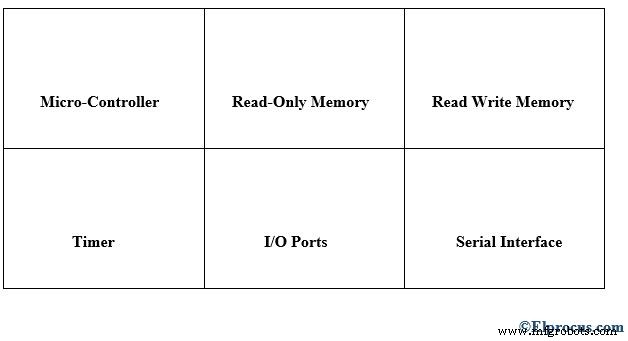
Types of Embedded Systems
- Stand‑Alone Embedded System
- Real‑Time Embedded System
- Networked Appliances
- Mobile Devices
Core Elements
- Processor (Microprocessor or Microcontroller)
- Digital Signal Processor (DSP)
- Memory (RAM/ROM/Flash)
- I/O Interfaces and Peripherals
Design Process Overview
The embedded system design flow consists of the following key stages:
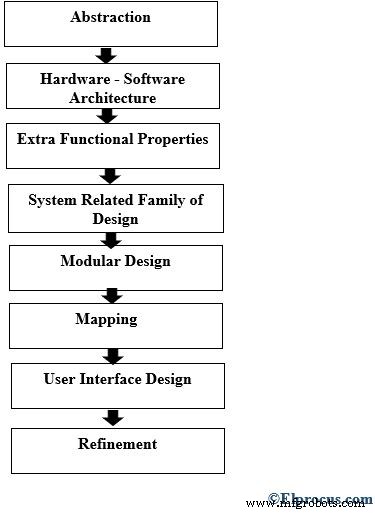
Abstraction
Identify and abstract the problem domain, defining the high‑level system objectives and constraints.
Hardware–Software Architecture
Specify the division of responsibilities between hardware and software, ensuring a balanced and efficient architecture.
Functional Enhancements
Determine any additional features that extend the core functionality and integrate them into the architecture early.
Reference Design Family
Leverage proven design families and prior architectures to reduce risk and accelerate development.
Modular Design
Decompose the system into reusable modules, facilitating maintenance and future upgrades.
Mapping
Align software modules with hardware resources, mapping data and control flows for optimal performance.
User Interface Design
Design interfaces that meet user needs, environmental constraints, and power budgets—critical for mobile and wearable devices.
Refinement
Iteratively refine components, ensuring clarity for the software team and aligning with architectural description languages.
- Control Hierarchy
- Structure Partitioning
- Data Structures & Hierarchies
- Software Procedures
Design Metrics & Parameters
Effective embedded systems satisfy the following metrics:
| Design Metric | Expectation |
| Power Dissipation | Keep as low as possible |
| Performance | High throughput and low latency |
| Process Deadlines | Meet all timing constraints |
| Manufacturing Cost | Minimize without compromising quality |
| Engineering Cost | Control design, test, and debug expenses |
| Size | Define in memory, physical footprint, and power envelope |
| Prototype Time | Fast iteration for validation |
| Safety | Implement secure lockouts and fail‑safe mechanisms |
| Maintenance | Design for ease of updates and fault isolation |
| Time to Market | Reduce delivery cycle from concept to launch |
Embedded Software Development Activities
Software development in embedded systems follows a structured approach:
Specifications
Define clear functional and non‑functional requirements that guide hardware and software design.
Architecture
Model the layered interaction between hardware, firmware, and application software.
Components
Design and select processor cores, memory, buses, and peripheral interfaces.
System Integration
Integrate all components and validate system‑level behavior against specifications.
Common Design Challenges
- Environmental adaptability
- Power consumption limits
- Physical footprint
- Packaging and integration complexity
- Hardware/Software update pathways
- Security vulnerabilities
- Verification, validation, and maintainability testing
Embedded System Design Examples
- Automatic Chocolate Vending Machine (ACVM)
- Digital Camera
- Smart Card
- Mobile Phone
- Mobile Computer
Case Study: Automatic Chocolate Vending Machine (ACVM)
The ACVM delivers chocolate to users based on coin insertion and selection via a graphical interface.
Design Steps
- Requirements Capture
- Specification Drafting
- Hardware and Software Functionality
Requirements
The machine accepts coin insertion, allows selection of chocolate, and dispenses the chosen item or refunds excess payment.
Inputs
- Coins (via dedicated ports)
- User selection (keypad/touchscreen)
- Interrupts generated on coin detection
Outputs
- Chocolate dispensing
- Refund mechanism
- LCD messages (date, time, welcome)
System Functionality
- User selects desired chocolate through a touch‑enabled LCD.
- On sufficient payment, the system dispenses chocolate; otherwise, it refunds the excess amount.
- An optional USB‑wireless modem logs transactions for remote monitoring.
Design Metrics
Power Dissipation: Optimize display size and mechanical actuators for energy efficiency.
Process Deadline: The machine must complete transaction processing within 10 seconds of coin insertion.
Specifications
Coins are routed through Ports 1, 2, 5; each port triggers an interrupt that increments the payment counter.
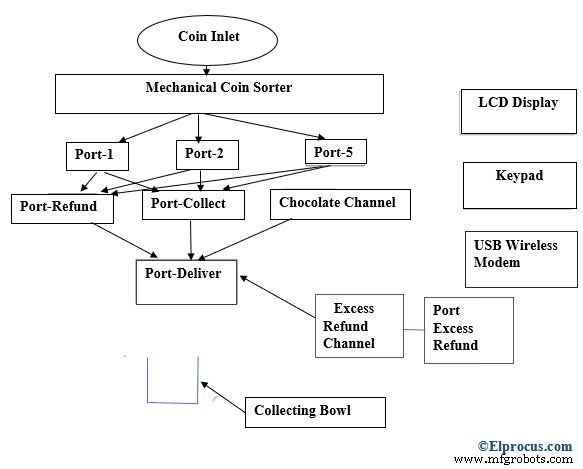
An LCD displays price, time, and welcome messages; a delivery port channels chocolate to the user.
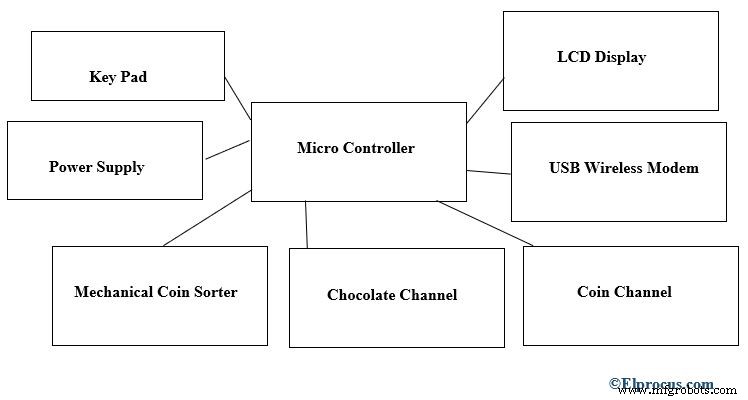
Hardware Architecture
- Microcontroller: 8051
- 64 KB RAM, 8 MB ROM, 64 KB Flash
- Keypad and mechanical coin sorter
- Chocolate and coin channels
- USB‑wireless modem for connectivity
- Power supply
Software Architecture
Software modules include price updates, LCD message handling, and transaction logic, all updatable in RAM/ROM.
Typical firmware updates involve price adjustments, message changes, or feature enhancements, ensuring the ACVM remains current without hardware modifications.
In summary, embedded system design marries hardware and software to deliver specialized functionality within stringent constraints. Mastery of the design process, metrics, and real‑world examples like the ACVM equips engineers to create reliable, efficient, and user‑centric products.
Embedded
- Embedded System Programming: Languages, Architecture, and Applications
- Chatbots 101: Design Process, Architecture, and Practical Insights
- Embedded FPGA Design: A Complete Development Process
- The Aluminum Extrusion Process: From Billet to Finished Profile
- Mastering Machining: Key Steps for Consistent, High-Quality Parts
- The Modern Manufacturing Process: Key Techniques and Innovations
- 5 Proven Steps to Optimize Your Asset Maintenance Process
- Understanding the Soap Manufacturing Process: From Fats to Saponification
- CNC Turning Explained: The Complete Process Overview
- PCB Assembly Process: Step-by-Step Guide to Precision and Quality