



Flood Irrigation Explained: How It Works and Its Pros & Cons
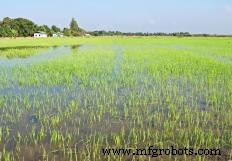
Flood irrigation is an irrigation technique in which a field is essentially flooded with water which is allowed to soak into the soil to irrigate the plants. This type of irrigation is one of the oldest techniques known to man, and can be seen in use in some developing nations and in regions where water supplies are ample. There are several different styles of flood irrigation in use, with varying degrees of efficiency. This type of irrigation has been criticized because it can be extremely wasteful when it is not done with care.
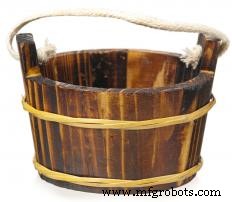
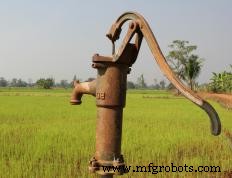
The original flood irrigation was done by hand, with people carrying buckets to the fields and dumping water on them. Eventually, people developed irrigation canals to carry water from wells and springs, eliminating the need to hand carry it. This type of irrigation is a natural outgrowth of this early irrigation; when it's time to irrigate, water is released and allowed to flood a field.
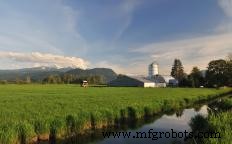
One form of flood irrigation is basin irrigation, in which water floods a basin surrounded by berms, usually made from earth. This technique can be useful for crops which need to remain submerged, like rice, and for soil which absorbs slowly. In furrow irrigation, the water runs down furrows between rows of crops, reaching the roots as it is absorbed. Surge irrigation involves the use of pulses of water which spurt, soak in, and spurt again.
The big problem with flood irrigation is that not all of the water used reaches the plants. Up to 40% can be lost through evaporation and runoff. Recapturing runoff can help to address this issue, as can the use of surge irrigation, which encourages the water to be absorbed, rather than leaving standing water to evaporate. Another issue is that flood irrigation can encourage the growth of certain kinds of crop pests, which is not desirable, and standing water can attract mosquitoes and other insects, making it very important to water on level fields with proper drainage.

While flood irrigation is primarily seen in agricultural use, it is sometimes used in residential landscaping as well. This is most common in areas where there is lots of available water, and it is managed carefully to avoid flooding streets and sidewalks and causing other problems. In some regions, entire neighborhoods are fitted out for flood irrigation, and the irrigation is controlled remotely by the water company for people who want to sign up for it.
Industrial equipment
- Understanding Sluice Gates: Design, Function, and Applications
- Turbine Pumps Explained: Design, Operation, and Applications
- Understanding Flow Restrictors: How They Reduce Water Usage & Save Costs
- Understanding Service Reservoirs: Their Role in Water Supply Systems
- Understanding Irrigation Canals: How Waterways Drive Modern Agriculture
- What Is a Soil Pipe? A Comprehensive Guide to Design, Function, and Installation in Plumbing Systems
- Underground Irrigation Explained: How Subterranean Systems Water Your Landscape
- Understanding Ballcocks: The Essential Device for Reliable Toilet Water Supply
- Water Jackets Explained: Protecting Engines from Overheating and Wear
- Bibcock Explained: Design, Uses, and Where to Find Them