



Underground Irrigation Explained: How Subterranean Systems Water Your Landscape
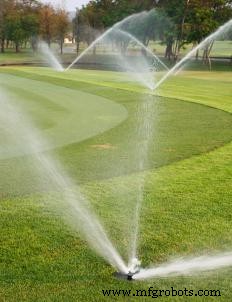
Underground irrigation is a method that delivers water to gardens and lawns through buried hoses or pipes. The different types of underground irrigation are: irrigation hose, drip irrigation and sprinkler systems. Depending on the size of the area that needs an irrigation system and the level of expertise required to install it, many people will hire irrigation companies instead of doing the work themselves.
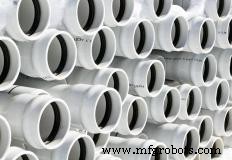
Irrigation hoses are normally made from a type of flexible polyvinyl chloride (PVC). A trench is dug where the hose will be buried and the hose is placed in the trench. Flexible hoses are used so straight lines are not required. Spigots are attached to sections of hose at planned intervals using PVC fittings.
PVC fittings also connect the hose to the water source and water is delivered as needed through the spigots. Most underground irrigation also is fitted with a timer which prevents the need to manually turn the water on and off. Pressure valves can also be used to control the amount of water being delivered.
Another type of underground irrigation is drip irrigation or trickle irrigation. Using a similar method as irrigation hoses, a trench is dug and the drip hose is buried. The drip hose in underground irrigation is intended to provide water to the roots of the plant or lawn so it is buried just above root level. Tiny holes perforate the rubber hose allowing water to be delivered to the plant at a slow, constant rate. This method saves water because it allows the soil and plants to completely absorb the water instead of having runoff when delivered all at one time.
Drip irrigation is also used to feed plants. Liquid fertilizer can be added to the water source and delivered to the plants, which is called fertigation. This method also reduces evaporation and erosion by using a slow release plan.
Underground irrigation can also use sprinkler systems. This delivery method can use both irrigation hoses and drip irrigation to achieve the desired results. Most often the sprinkler system method is used for large expanses of lawn or at commercial property sites where above-ground watering systems would be unseemly.
Underground sprinkler heads or pop-ups are mounted in tubes of PVC attached to hose fittings using a "T" splitter. Timers are set to water the lawn at specified intervals. When it is time to water, the sprinkler head pops up from the tube and waters. When finished, the sprinkler head sinks back into the tube until needed again.
Industrial equipment
- Understanding Sluice Gates: Design, Function, and Applications
- Turbine Pumps Explained: Design, Operation, and Applications
- Understanding Flow Restrictors: How They Reduce Water Usage & Save Costs
- Understanding Service Reservoirs: Their Role in Water Supply Systems
- Understanding Irrigation Canals: How Waterways Drive Modern Agriculture
- What Is a Soil Pipe? A Comprehensive Guide to Design, Function, and Installation in Plumbing Systems
- Flood Irrigation Explained: How It Works and Its Pros & Cons
- Understanding Ballcocks: The Essential Device for Reliable Toilet Water Supply
- Water Jackets Explained: Protecting Engines from Overheating and Wear
- Bibcock Explained: Design, Uses, and Where to Find Them