



Understanding Ballcocks: The Essential Device for Reliable Toilet Water Supply
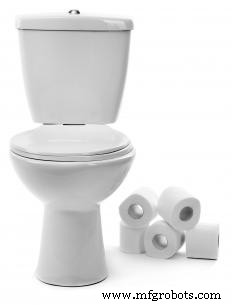
A ballcock is a device which is designed to enable the filling of water tanks without overflow. You may also hear ballcocks referred to as balltaps or fill valves, and the most well-known example of a ballcock is the assembly used in most modern toilets. The invention of the ballcock is generally credited to Thomas Crapper, an inventor who devised a variety of toilet-related devices to ensure that toilets would flush smoothly and reliably.
There are several parts to a ballcock assembly; for a visual aid, you can open your toilet to see the various parts of a ballcock described in this article. The “ball” in the ballcock is a floating ball attached to a lever. The lever, in turn, is attached to a valve which connects to the inflow of water. In a toilet, the ballcock is attached to a long tube known as the fill valve, which refills the storage tank of the toilet after the toilet has been flushed.
When a toilet is flushed, a flapper at the base of the tank opens, allowing water to flood the toilet bowl. As the water level in the tank drops, so does the ball attached to the ballcock assembly, triggering the lever and opening the water inflow to allow water to flow into the tank. After the flush cycle is complete, the flapper drops back down, creating a seal, and the tank starts to fill. As the tank fills, the ball rises with the water level, and when it reaches a certain height, it actuates the lever again, turning the flow of water off.
A malfunctioning ballcock assembly can cause a toilet to overflow, or to leak. Most classically, a thin stream of water will flow continuously into the bowl, wasting a large amount of water until the ballcock is fixed. Most hardware stores sell ballcock assemblies which can be used to replace malfunctioning equipment, and these assemblies are made from a variety of materials, including plastic and metal. As a general rule, metal ballcock assemblies are more sturdy, but they are also subject to tarnish.
Because a ballcock assembly is used to regulate the flow of water into a toilet, it is possible to make a toilet more efficient by adjusting the float. Typically a small screw is used to adjust the point at which the flow of water will be turned off; people who want to conserve water can create a lower set point for a filled toilet tank, thereby reducing the amount of water used to flush the toilet. Conversely, a toilet which isn't producing enough water with each flush may need a minor ballcock adjustment to raise the fill level.
In addition to being used in toilets, ballcocks are also used in automatic waterers for livestock, among many other things.
Industrial equipment
- Understanding Sluice Gates: Design, Function, and Applications
- Turbine Pumps Explained: Design, Operation, and Applications
- Understanding Flow Restrictors: How They Reduce Water Usage & Save Costs
- Understanding Service Reservoirs: Their Role in Water Supply Systems
- Understanding Irrigation Canals: How Waterways Drive Modern Agriculture
- What Is a Soil Pipe? A Comprehensive Guide to Design, Function, and Installation in Plumbing Systems
- Understanding the Ballcock Valve: Function, Placement, and Replacement
- Underground Irrigation Explained: How Subterranean Systems Water Your Landscape
- Water Jackets Explained: Protecting Engines from Overheating and Wear
- Bibcock Explained: Design, Uses, and Where to Find Them