



What Is a Soil Pipe? A Comprehensive Guide to Design, Function, and Installation in Plumbing Systems
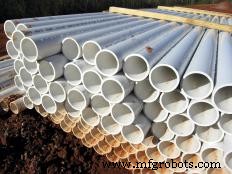
A soil pipe is a PVC or cast iron pipe used in plumbing installations to remove soiled or contaminated water from toilets. Soil pipes differ from normal waste water removal pipes in that they are generally of a larger diameter and are designed specifically to remove solid waste from toilets. Most plumbing installations consist of a combination of soil and waste water lines and each has its own particular characteristics and requirements. Most of these involve pipe sizes, fittings, and routing constraints specific to each type although they both eventually vent into a common main sewerage line.
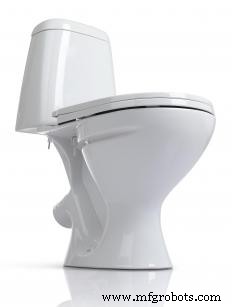
The nature of soil water waste makes its removal from any installation in a safe and completely contained fashion technically tricky but critical from a health and safety viewpoint. Soil water typically contains large quantities of paper and fecal solids which are introduced into the waste removal system with fairly large amounts of flush water. Normal waste water from hand basins, baths, and kitchen basins contain nowhere near these amounts of solids and are not subjected to rapid water flow increases.
Soil water also requires that a soil pipe be substantially larger than a regular waste water pipe to accommodate the larger volumes. The average inside diameter of a domestic soil pipe is around four inches (about 10 cm) and that of a typical waste water pipe is 1½ inches (about 3.8 cm). Soil pipe system fittings also need to offer as few internal obstructions or snags as possible to prevent lint and paper build-up from blocking the pipes. Due to their size, soil pipe routings can present problems when toilets are not placed in rooms bordering on the outside walls of the building. Toilets in interior rooms may need specialist soil pipe assemblies that make use of smaller pipes and specially designed flush systems.
Soil pipe layouts also need to adhere to strict installation parameters such as adequate venting, correct falls, or inclinations of the pipes and the installation of traps to prevent sewer gas from entering the building. In addition, pipe and joint materials should be of the correct grades. Soil water stacks that accept several soil pipes also need to be correctly designed and installed to prevent the soil water from backing up and flooding the toilets. The manner in which waste water and soil pipes enter manifolds for introduction into sewer lines is also subject to strict design restrictions for the same reason.
Industrial equipment
- PVC Pipe: Composition, Durability, and Common Uses
- Understanding Pipe Sleeves: Types, Uses, and Benefits
- Pipe Tee Fittings: Definition, Applications, and Installation Tips
- Understanding Soil Stacks: Key Components of Residential Plumbing Systems
- Understanding Soil Cement: Composition, Uses, and Benefits
- Understanding Flue Pipes: Function, Installation, and Maintenance
- Understanding Corrugated Pipes: Types, Uses, and Benefits
- Pipe Wrenches Explained: Design, Function, and How to Use Them
- Understanding Ballcocks: The Essential Device for Reliable Toilet Water Supply
- Understanding Overflow Pipes: Function, Importance, and Safety Applications