



Standardized vs. Customized Robotics Cells: Which Solution Drives Optimal Manufacturing Efficiency?
In the ever‑evolving world of manufacturing, automation and robotics are more than trends—they’re essential engines of efficiency, productivity, and cost control. For companies looking to stay ahead, deciding between a standardized (off‑the‑shelf) robotics cell and a fully customized solution can make all the difference.
Why Automation Matters in Modern Manufacturing
Complex, high‑volume production demands tools that deliver consistent quality and speed. Robotics replace repetitive tasks, reduce human error, and free skilled workers for higher‑value work. The result? Faster throughput, lower defect rates, and a stronger competitive edge.
Standardized Robotics Cells: Proven Safety, Efficiency, and Scalability
Built‑in Safety and Rapid Deployment
Standardized cells come pre‑tested against industry safety standards, featuring interlocks, emergency stops, and protective barriers. Their plug‑and‑play design means installation typically takes weeks rather than months, allowing you to hit the market faster.
Reliability and Predictable Costing
Because components and software are mass‑produced, they benefit from rigorous quality control and extensive field data. This translates to lower maintenance costs and predictable operating expenses—key for long‑term budgeting.
Scalability for Growing Demand
Standardized solutions are modular. Adding another arm or expanding the work cell usually involves swapping a few parts, not redesigning the entire system. That flexibility keeps pace with shifting product mixes.
Customized Robotics Cells: Tailored Performance with Higher Investment
Maximum Fit for Unique Processes
When your production line has unique geometry, payloads, or safety constraints, a custom cell can be engineered to match those exact requirements. The result is a system that operates at peak efficiency for that particular workflow.
Hidden Costs and Complexity
Custom designs lack the benefit of mass‑production economies. Development time, specialized parts, and bespoke software all add to upfront cost and can complicate future upgrades or repairs.
Safety: Standardized vs. Customized
Standardized Cells: Trusted, Industry‑Compliant Features
Pre‑installed safety features—such as light curtains, interlocked guards, and certified motion control—have undergone extensive validation. This gives operators confidence and reduces liability.
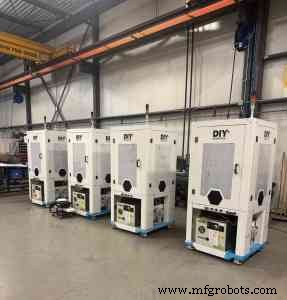
Customized Cells: Responsibility for Safety Integration
While a custom design can incorporate the very latest safety technologies, the onus falls on your engineering team or partner to ensure compliance with all regulations and to document safety cases.
Cost Implications
Standardized Cells: Upfront Savings and Predictable ROI
By eliminating bespoke engineering, standardized solutions reduce capital expenditure. Many manufacturers report a 20–30% faster payback period compared to fully custom cells.
Customized Cells: Higher Development and Long‑Term Maintenance
Custom solutions involve detailed CAD, specialized tooling, and often exclusive parts, driving up both initial and ongoing costs. Maintenance may also require niche expertise.
Versatility and Flexibility
Standardized Cells: Adaptable and Expandable
Designed to handle a wide variety of parts and operations, standardized cells can be reconfigured with minimal downtime, supporting rapid product changes.
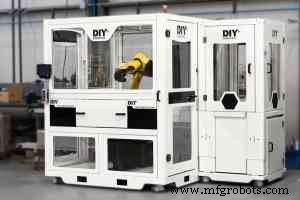
Customized Cells: Precision Fit for Specific Challenges
When your production requires non‑standard motions, custom tooling, or integration with proprietary equipment, a tailored cell delivers the exact performance you need.
Maintenance and Long‑Term Investment
Standardized Cells: Ease of Service and Proven Longevity
Because parts are widely available and software updates are standardized, routine maintenance is straightforward. Predictable wear cycles also help with long‑term asset planning.
Customized Cells: Potential for Higher Upkeep
Unique components may mean sourcing specialist parts or on‑site engineering support. Over time, the cost of keeping a custom cell operational can outpace that of a standardized system.
Key Decision Factors
- Manufacturing Requirements: Does your process fit within a standard cell’s capabilities, or does it demand a custom solution?
- Safety Needs: Are built‑in safety features sufficient, or do you require specialized safeguards?
- Budget Constraints: Can you afford the higher upfront and maintenance costs of a custom cell?
- Future Flexibility: Will you need to pivot quickly to new products or volumes?
- Maintenance Capacity: Do you have the in‑house expertise to support a custom system?
Choosing the Right Robotics Integration Partner
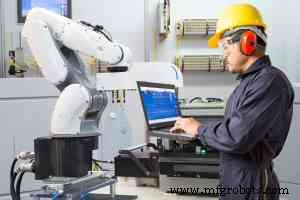
Decisions about robotics strategy should be guided by experienced experts who understand both the technology and your business. DIY Robotics specializes in end‑to‑end integration, from feasibility studies to commissioning, ensuring you select the solution that aligns with your goals and delivers measurable ROI.
Conclusion
Whether you choose a standardized or customized robotics cell, the decision hinges on your specific production needs, safety priorities, budget, and long‑term flexibility. A thorough assessment—backed by an experienced partner—ensures you invest in a system that powers growth, protects your workforce, and keeps you competitive.
Industrial equipment
- Essential Considerations for Ordering an LPG Storage Tank from a Manufacturer
- Maximize Energy Savings with Central Controllers & Remote Monitoring
- Lightning Bay Pneu-Draulics: Southeast’s Leading Marine & Industrial Maintenance Company
- The Art and Science of Crushing Grapes in Winemaking
- Ship‑to‑Shore Cranes: Essential Insights for Efficient Container Transfer
- EOS M 100 Metal 3D Printer – Compact, High‑Performance DMLS for Aerospace & Automotive
- How Does a Lathe Work? A Complete Guide to Turning Machines
- Axiom Equipment Group Introduces VIP Program Tailored for Large-Scale Projects
- ASME Certification & Accreditation: Propel Your Business Internationally
- Top 5 Essential Crane Safety Guidelines for Safer Operations