



Industrial Robotics: Emerging Trends Driving the Future of Automation
The industrial robotics sector is poised for rapid growth, spurred by increased automation demands amid the COVID‑19 pandemic. A ReportLinker study released in November 2020 projects the segment to grow at a compound annual growth rate of 18.2%, reaching $176.8 billion in 2025 from $76.6 billion in 2020.
Below are the five most influential trends shaping industrial robotics in 2021 and beyond.
1 | Smart, Connected Industrial Robots
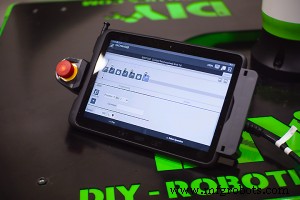
Modern industrial robots now communicate autonomously, leveraging the Internet of Things to share real‑time data across production lines. This connectivity enhances operational efficiency, speeds up manufacturing cycles, and provides actionable analytics that drive smarter business decisions.
2 | Robotics for Small‑Scale Factories
Traditional, large‑scale robots are costly and inflexible for smaller facilities. The future lies in compact, networked units and Autonomous Mobile Robots (AMRs) that navigate factory floors with precision. These machines are modular, easily reprogrammed for new tasks, and can be deployed in industries such as food and beverage where space and flexibility are critical.
Companies like DIY‑Robotics offer pre‑designed, mobile robotic cells that can be integrated and relocated as production needs evolve, reducing installation time and capital expenditure.
3 | Energy‑Efficient Robots That Lower Carbon Footprint
As climate concerns intensify, manufacturers are investing in robots that consume less energy and produce higher precision. Lower power usage, combined with reduced waste from fewer rejects, translates into a smaller environmental impact and cost savings over the product lifecycle.
4 | Collaborative Robots (Cobots)
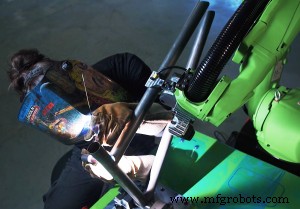
Safety remains paramount. Cobots now operate side‑by‑side with human workers without physical barriers, thanks to advanced sensors, software, and end‑of‑arm tooling. Their ease of programming and quick setup make them ideal for flexible, high‑value automation tasks.
5 | Robots Strengthening Supply Chain Resilience
The pandemic exposed supply chain vulnerabilities, accelerating automation adoption. Robots that enhance flexibility and consistency are critical for stabilizing production, especially in high‑wage regions where labor costs drive the need for efficient, automated solutions.
Conclusion
The robot revolution is only beginning. Continued investment in automation will increase speed, reduce costs, and free human workers for higher‑value tasks. By 2021 and beyond, robots are set to become indispensable partners in manufacturing worldwide.
Industrial equipment
- Why Every Machine Shop Needs a CNC Turning Center: 4 Key Benefits
- Understanding the Garment Manufacturing Process: From Design to Delivery
- Cashew Nut Processing: From Shell to Snack – A Professional Overview
- BX-26S Dual-Spindle Gang Tool Lathe – Precision, Speed, and Versatility
- Top 9 Proven Safety Practices for Industrial Workplaces
- Pinch Valves & Peristaltic Pumps: The Gold Standard for Abrasive Lime Slurry Systems
- Top Benefits of Owning an Ichabod Crane: Durability, Safety, and Heavy-Duty Performance
- Four Key Slotted Drive Types for Fasteners Explained
- Transform Your Overhead Crane Service: 3 Modernization Tactics That Save Time & Money
- Tsugami P01 Lathe – 25,000 RPM Spindles, 3 mm Bar Capacity, Precision Micro‑Part Machining