



Four Key Slotted Drive Types for Fasteners Explained
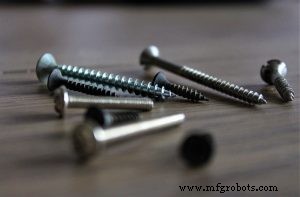
Choosing the right drive type is essential when selecting fasteners. The drive—defined by the recess in a fastener head—dictates the tool you use for installation and removal. While cruciform drives are common, many applications rely on slotted drives. Below, we break down the four most frequently encountered slotted drive configurations and explain their ideal use cases.
#1) Slot
The classic slot drive remains the workhorse of fastening. Its single horizontal recess accommodates a flat‑bladed or flat‑headed screwdriver. Used for centuries, this design is favored for its simplicity, durability, and widespread availability. Slot drives are ubiquitous in general construction, automotive work, and household repairs.
#2) Cross
Also called a double‑slot, the cross drive adds a vertical line through the center of the horizontal slot, creating a cross‑shaped recess. This design provides a second insertion point, which is invaluable if one side becomes stripped. Like the simple slot, a flat‑bladed screwdriver fits, but the dual contact points often translate into a more secure engagement and better torque transfer.
#3) Coin Slot
Coin‑slot drives look similar to standard slots from a distance, but they feature a tapered depth—shallow at the edges, deeper in the center. This profile allows a screwdriver to grip more firmly, reducing slippage during high‑torque applications. Although less common, the coin‑slot is preferred in precision assemblies where a tight fit is required.
#4) Hi‑Torque
The hi‑torque drive is the rarest of the slotted family. Its uniquely contoured recess—often a shallow U‑shape—provides a larger contact area for the tool tip, enabling higher torque output without compromising head integrity. Hi‑torque drives are typically reserved for heavy‑haul or high‑strength fastening where standard slots would strip under load.
When selecting a fastener, consider the required torque, the available tool set, and the working environment. Understanding these slotted drive types ensures you choose the most reliable, efficient fastener for your project.
Industrial equipment
- Quick‑Release Pin Handles: Types, Features, and Choosing the Right One
- Five Essential Hinge Mount Types Explained
- Five Key Fusion Welding Techniques Explained
- Understanding Drive Recesses: Types, Uses, and Torque Advantages
- 5 Key Wireless Standards Powering IoT Connectivity
- Craftech’s Durable Plastic Fasteners Empower APH’s Educational Tools for the Blind
- How eSIMs are Transforming Mobile Operators: Growth Opportunities & Revenue Models
- Choosing the Right Lift Truck: A Guide to the Best Types for Your Business
- Choosing the Right 3D Modeling Technique: A Guide for Designers
- Comprehensive Guide to Fastener Types for Industry Applications