



The 6 Most Common Screw Drives Explained – Torque, Usage, and Selection
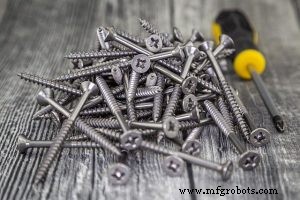
Screws are the backbone of fastening in construction, manufacturing, and everyday repairs. The key to a secure fit is the drive system— the pattern on the screw head that engages a tool. Choosing the right drive not only ensures a tight connection but also maximizes torque, reduces wear, and protects the screw head from damage.
#1) Phillips‑Head
Phillips screws, pioneered by American engineer John P. Thompson in the 1930s, dominate the market thanks to their self‑centered cross shape. The four‑pointed design allows a driver to engage more surface area, delivering high torque while preventing the tool from slipping. They are ubiquitous in automotive, electrical, and consumer electronics assembly.
#2) Flat‑Head (Slot)
Also known as a slot drive, flat‑head screws feature a single, straight groove. While they provide less torque than Phillips, they are ideal for applications where a flush finish is required or when a flat‑head screwdriver is more readily available. They are common in furniture, cabinetry, and general woodworking.
#3) Hex
Hex screws have a six‑sided head that fits a hex wrench or Allen key. This design offers excellent torque transfer and reduces cam‑out risk, making hex screws the go‑to choice for mechanical assemblies, machinery, and structural bolting where strength and precision are critical.
#4) Torx
Torx screws feature a star‑shaped, hexalobular pattern with rounded points. This geometry provides superior torque capacity and minimizes the likelihood of stripping. Torx drives are widely used in electronics, aerospace, and automotive components where high torque and durability are required.
#5) Double Hex (Allen & Allen‑on‑Allen)
Double‑hex screws incorporate two sets of hexagonal ridges, effectively doubling the contact points. The extra engagement allows even higher torque, but the increased size can make them more prone to slippage or head damage if not handled carefully. They are favored in heavy‑duty fastenings and high‑strength assemblies.
#6) Robertson (Square‑Drive)
Originating in Canada, Robertson screws feature a square, slightly tapered drive that locks firmly into a driver, offering excellent torque control. Their design reduces cam‑out and is popular in construction, furniture, and precision engineering—especially within Canadian manufacturing and home improvement sectors.
See Monroe’s Screws.
For a deeper dive into screw types and selection guides, visit Monroe’s dedicated Screw section.
Industrial equipment
- 4 Essential Types of Coil Springs Explained
- Understanding the Three Most Common Hose Clamp Types
- The 5 Most Common Non‑Ferrous Metals & Their Key Uses
- Understanding the Four Most Common Types of Plungers
- 6 Essential Woodworking Joints Every Craftsman Should Master
- What Is a Hammer‑Head Screw? Function, Features, and Key Applications
- 5 Common Types of Knobs and Their Practical Applications
- The Most Common Screw Drives Explained: Types, Uses, and Features
- Top 5 CNC Machine Types Every Manufacturer Should Know
- Four Essential CNC Machine Types for Precision Manufacturing