



6 Essential Woodworking Joints Every Craftsman Should Master
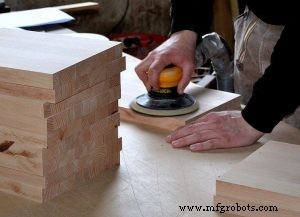
When building furniture or structural elements, the connection between two pieces of wood is crucial. While adhesives can be useful, a true woodworking joint relies on the geometry of the timber itself to keep the parts together. Below are the most common joints every woodworker should master.
1. Butt Joint
The butt joint is the simplest form of connection, where two pieces meet end‑to‑end. Its ease of construction makes it a go‑to for quick projects, though it offers limited strength on its own. It is often reinforced with screws, glue, or a dowel for added stability.
2. Dowel Joint
By inserting a cylindrical pin (the dowel) into pre‑drilled holes on each board, a dowel joint aligns and strengthens a butt joint. Furniture makers routinely use this method to join panels, drawer fronts, and cabinet doors because it resists twisting and offers a clean appearance.
3. Box Joint (Finger Joint)
Box joints feature interlocking “teeth” cut into the faces of each board. The increased surface area delivers a strong, tight connection that can bear significant loads, making it ideal for box construction, drawer boxes, and small cabinet frames.
4. Bridle Joint (Tongue‑and‑Fork)
In a bridle joint, one board has a notch that fits over a protruding tongue of the other. This design resists twisting and is commonly used on sloped rafters, beams, or where a long, continuous joint is required.
5. Mortise‑and‑Tenon
Arguably the most revered woodworking joint, the mortise (hole) receives the tenon (tongue). This combination provides exceptional strength and has been employed in chairs, tables, doors, and door frames for centuries.
6. Lap Joint
Lap joints overlap one board over another. Variants include half‑lap, cross‑lap, and dovetail lap. They are suitable for joining long lengths of timber, such as in beams or when a decorative pattern is desired.
Mastering these joints equips you with the versatility needed to tackle any woodworking project, from simple repairs to complex furniture builds.
Industrial equipment
- 4 Essential Types of Coil Springs Explained
- Understanding the Three Most Common Hose Clamp Types
- Understanding the Four Most Common Types of Plungers
- Mechanical Joints Explained: Types, Uses, and Common Failure Points
- 5 Common Types of Knobs and Their Practical Applications
- Top 5 CNC Machine Types Every Manufacturer Should Know
- 5 Essential Welding Joint Types: Design, Quality, and Cost Impact
- Comprehensive Guide to Welding Joints: Types, Details, and PDF Download
- Mastering Woodworking Joints: Essential Techniques & Tips
- Mastering Wood Joints: Types, Strength, and Applications