



Vulcanized Gasket Splice Types: Choosing the Right Joint for Your Seal
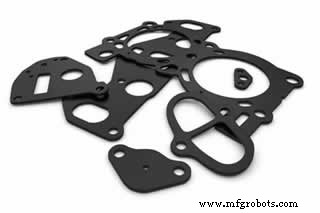
Vulcanized gaskets are produced by heating rubber, applying pressure, and using an adhesive to fuse the ends together. The result is a single, durable seal that can withstand a wide range of operating conditions. Depending on the application, manufacturers select one of several splice techniques to join the gasket ends. Below we examine the four most common splice types and highlight their strengths and ideal use cases. A butt splice joins two straight ends of rubber, creating a smooth, continuous surface. This method is ideal for gaskets that experience little or no stress at the splice site. Because the splice is virtually invisible, it offers excellent aesthetic appeal and eliminates potential leakage paths. The bevel splice bevels the end of each rubber segment before joining. This creates a larger bonding surface, which improves adhesion and provides greater strength than a standard butt splice. It is typically chosen when the gasket’s cross‑sectional area is insufficient for a butt splice or when a higher load capacity is required. A step splice introduces a stepped or stepped‑edge joint, increasing the contact area between the two ends. This design delivers the highest tensile and shear strength among common splice types, making it suitable for gaskets that may deform under pressure or experience cyclic loading. Corner splices are used in applications where the gasket ends meet at a right angle. While they are not as robust as step or bevel splices, corner splices provide reliable bonding for seals operating under low to moderate pressure. Their geometry also simplifies manufacturing for complex sealing configurations. In summary, the choice of splice—be it butt, bevel, step, or corner—depends on the mechanical demands of the sealing environment and the desired balance between strength, aesthetics, and manufacturability. By selecting the appropriate splice technique, engineers can ensure optimal gasket performance and long‑term reliability.
Butt Splice
Bevel Splice
Step Splice
Corner Splice
Industrial equipment
- Quick‑Release Pin Handles: Types, Features, and Choosing the Right One
- Four Key Slotted Drive Types for Fasteners Explained
- Five Essential Hinge Mount Types Explained
- Three Proven Oil Mist Collectors for Cleaner, Safer Industrial Metalworking
- Metal Fabrication 101: A Clear Guide for Beginners
- Understanding Casting Defects: A Comprehensive Guide to Types & Causes
- Essential Mining Tools: Four Key Equipment Types Every Operation Needs
- Choosing the Right Inconel Alloy for High-Temperature Investment Casting
- Three Essential Metals for Precision Fabrication: Carbon Steel, Stainless Steel, and Aluminum
- Top 10 Essential Landscaping Equipment for Exceptional Results