



How Rubber Is Molded: Processes, Benefits, and Applications
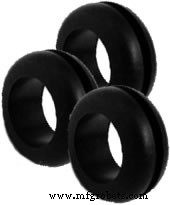
From gaskets and hoses to boots and grommets, molded rubber underpins countless everyday items. Its durability, resilience, and versatility make it a go‑to material in many industries. But how is this material shaped into precise components?
What Is Molded Rubber?
Molded rubber refers to any rubber part produced through a molding technique. A mold—essentially a hollow shell—serves as a template. Manufacturers fill or inject liquefied rubber into the mold, allowing it to take the exact shape of the cavity once it solidifies.
How Rubber Is Molded
Several molding methods are employed, each with its own strengths. The most common include compression, injection, and transfer molding.
Compression Molding
In compression molding, the mold is preheated before liquefied rubber is poured into its cavity. A plug seals the top, and pressure is applied. As the rubber expands, it fills every void, then cools and hardens, ready for removal.
Injection Molding
Injection molding injects hot, liquid rubber from a heated barrel through a nozzle into the mold cavity. This technique offers high precision and is ideal for complex geometries.
Transfer Molding
Transfer molding is distinctive: the liquid rubber sits in a pot between the top plate and gates. Under pressure, it is transferred into the mold cavity, where it adopts the exact dimensions of the mold.
Benefits of Molded Rubber
Molded rubber delivers several advantages:
- Corrosion Resistance – Rubber contains no metal, so it won’t rust or corrode even in humid conditions.
- Cost‑Effectiveness – The manufacturing process is quick and inexpensive, resulting in lower retail prices compared to other rubber types.
- Customizability – With a properly sized mold, manufacturers can produce bespoke shapes and sizes to meet specific design requirements.
Whether you’re an engineer seeking a reliable component or a consumer looking for durable everyday products, understanding molded rubber’s production and strengths can guide better choices.
Industrial equipment
- How Steel Is Made From Iron: A Step‑by‑Step Overview
- Understanding the Mechanics of a Milling Machine
- When to Replace Crane Parts: A Practical Guide for Maintenance & Procurement
- Detecting Faulty Industrial Gearboxes: Key Warning Signs
- Premium Seal Strips & Custom Repair for OEM Compressors & Turbines
- Discover Fishbowl: 14 Key Features & Integrations Explained
- Mastering PID Temperature Controllers: A Step‑by‑Step Guide to Design and Implementation
- Spotting Air Leaks in Your Compressed Air System: Save Money & Boost Performance
- Identifying Air in Your Hydraulic System: Signs, Detection, and Remedies
- How to Spot and Repair Bad Hydraulic Fluid in Your Vehicle