



Machine Vision: The Cornerstone of Successful Self‑Driving Vehicles
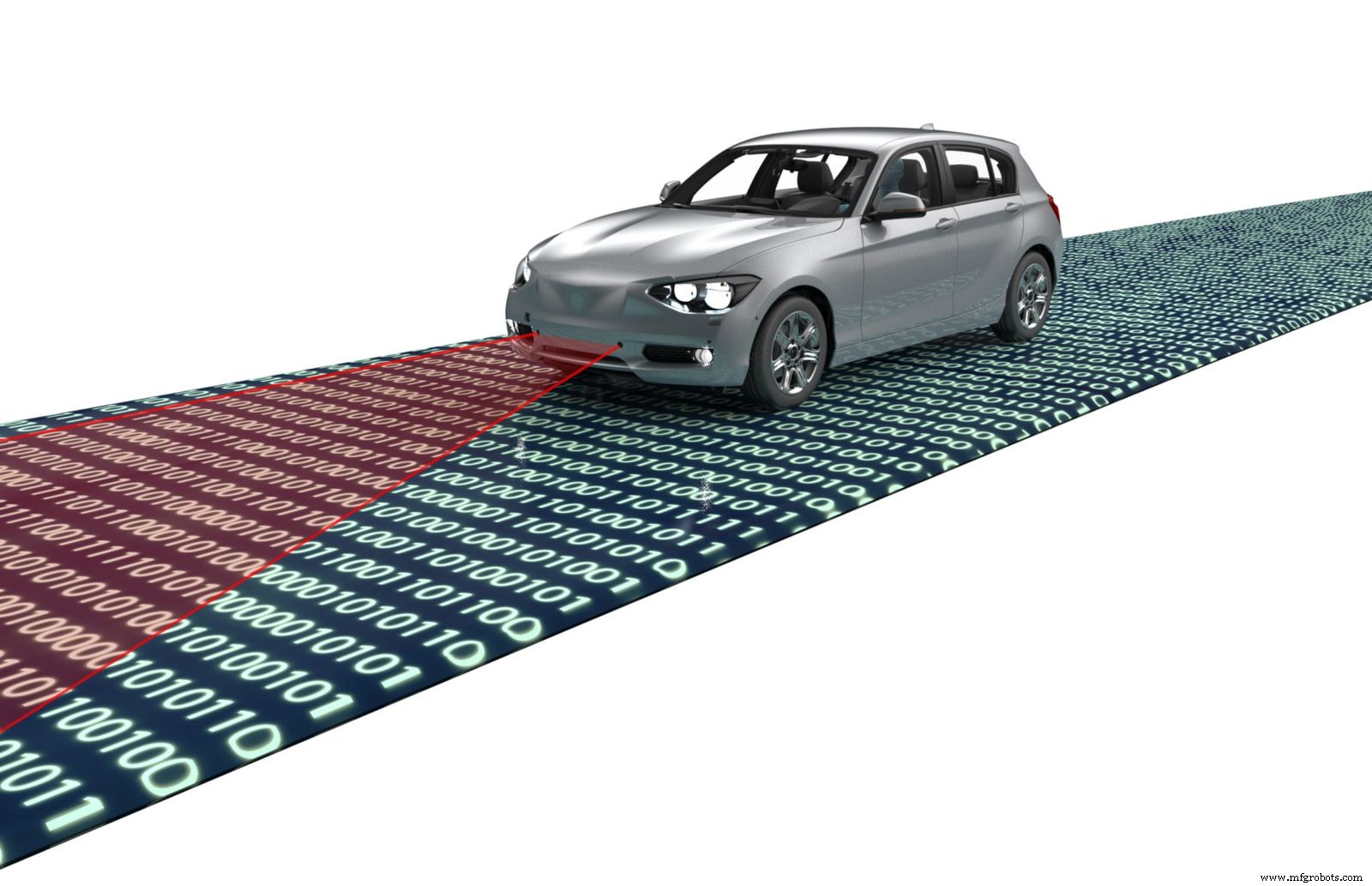
When Uber launched its first self‑driving fleet in Pittsburgh, the city’s bridges and winding streets became a proving ground for autonomous technology. Engineers still sit in the driver’s seat while the vehicles navigate, but early results show the system can reliably pick up passengers in a complex urban environment.
This milestone underscores the critical role of machine vision—an array of cameras, LiDAR, radar and other sensors that continuously interpret the vehicle’s surroundings. Beyond merely reacting to crashes, modern autonomous platforms aim to prevent them entirely, a shift that opens new opportunities for vision‑based safety systems.
Proactive Safety Architecture
Consumer‑grade self‑driving cars are moving from passive safety features like airbags to active, anticipatory systems that detect hazards before they materialize. As early research from the International Centre for Mechanical Sciences (1989) noted, vision “allows us to interact with the environment and to make decisions without physical contact.”
Autonomous vehicles equipped with multi‑sensor suites operate in a constant state of hazard anticipation, monitoring lane position, surrounding traffic, and pedestrian activity in real time.
Design challenges arise from the sheer volume of data and the need for high‑speed processing. Wiring harnesses that once spanned miles in luxury cars now must be streamlined to accommodate thousands of sensor feeds without compromising efficiency. Yazaki Corporation, a global leader in automotive wiring, is pioneering modular harnesses and exploring in‑vehicle wireless communication to reduce weight and complexity.
Long‑Term Viability
At the Auto‑Sens conference in September 2016, experts highlighted several hurdles that must be cleared before autonomous cars become commonplace in every driveway. Key issues include robust distance estimation under all lighting conditions and the high cost of LiDAR units—currently priced at roughly $80,000 per scanner.
Scalability also depends on spectrum management: “What happens when hundreds of LiDAR‑equipped vehicles share the same frequency band on busy multi‑lane roads?” the conference panel asked. Manufacturers must design processor placement and sensor fusion strategies that remain effective as fleets expand.
Because autonomous technology will be in service for decades, component suppliers must deliver parts that remain compatible for at least ten years beyond initial deployment. Consistent specifications will ensure that future updates can be integrated without costly vehicle redesigns.
The interplay of machine vision with motion control and advanced algorithms will redefine how we perceive the car. Just as collaborative robots rely on visual feedback in factories, autonomous vehicles will depend on the same principles to navigate safely and efficiently.
In Uber’s Pittsburgh test, vehicles had to adapt to human drivers and unpredictable weather, as highlighted in a Business Insider article. Stay informed and explore deeper resources on A3automate.org.
Industrial robot
- Machine Vision Inspection: Essential Tools and Emerging Technologies
- Emerging Technologies Revolutionizing Machine Vision and Imaging for Advanced Automation
- Machine Vision: Driving Industry 4.0 and the Industrial IoT
- Integrating Machine Vision with Neural Networks for Advanced Industrial IoT
- Machine Vision: The Driving Force Behind Modern Industrial Robotics
- SICK Presents Webinar: Customizing Machine Vision to Boost Industrial Automation
- Continental Launches Central Server for VW ID Electric Vehicles, Boosting Connectivity and OTA Updates
- How Regular Vehicle Inspections Boost Your Bottom Line: 10 Proven Strategies
- Synergizing Machine Vision and Robotics for Next-Gen Automation
- Enhancing Robotic Precision with Advanced Machine Vision