



How Regular Vehicle Inspections Boost Your Bottom Line: 10 Proven Strategies
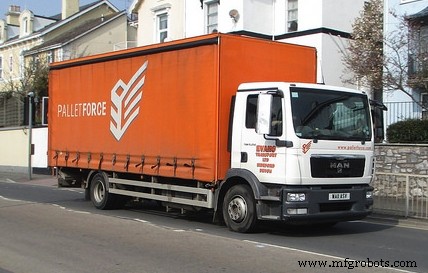 Daily pre-use inspections of commercial vehicles are about much more than inspection compliance.
When inspections are done regularly and adequately, your company can achieve multiple bottom-line benefits in addition to compliance, including:
1. Vehicles in need of preventative maintenance get it before issues grow into problems that are expensive to fix or damage the vehicle beyond repair. Daily pre-use inspections ensure that vehicles get the attention they need when they need it, thereby reducing maintenance and equipment costs.
2. Because they receive the preventative maintenance they require, the company’s overall vehicle downtime rate decreases. When a company’s inspection management practices allow for vehicle problems to persist, you can bet you’ll find a garage filled with vehicles awaiting repair to be returned to service. Each of those idle vehicles is an asset being underutilized.
3. Vehicles are kept in optimal operating condition and therefore use less gas. Without daily pre-use inspections to identify problems that increase fuel consumption, vehicles can be operating at a higher cost than necessary for far too long.
4. Vehicles last longer. By inspecting every day to verify that vehicles are in optimal operating condition, you can extend the life of these valuable pieces of equipment. This not only puts off replacement costs, it maximizes the vehicle’s residual value.
5. Problems are identified before they cause a vehicle to break down during a job. This avoidance of operational disruption prevents operating costs from rising as you deal with the downtime and disruption of replacing a vehicle that was in the middle of being used for a job.
6. By helping to prevent vehicle breakdowns en route to customers, a company’s on-time shipment rate isn’t negatively affected. This reliability improves customer satisfaction, increasing repeat business and word-of-mouth referrals—thereby growing the top line.
7. Insurance costs don’t rise. Daily pre-use safety inspections keep drivers from operating vehicles that are dangerous. This lowers workplace injury incident rates, thereby avoiding higher premiums for worker’s comp and the company’s group health plan.
8. Safe vehicles reduce the negative impact of lost worktime. When vehicles aren’t kept save through daily inspections and drivers are injured as a result, the company must replace that employee—temporarily or permanently. That means the company suffers the costs of recruiting, hiring, and training, as well as loss of productivity until the replacement is on board and gets up to speed.
9. Liability exposure is limited. Most commercial vehicles are required to be inspected before use, but meeting that requirement does more than keep regulators off your back. If an accident occurs and you don’t have documentation of a pre-use vehicle inspection, you’re not only facing fines for non-compliance, you’ve opened up the company to liability for the accident.
10. Corporate reputation is maintained. Most commercial vehicles have signage on them that advertises the company that owns them. When these vehicles are seen driving down the road with broken taillights or other obvious problems—or when they’re spotted broken down on the side of the road—it creates a negative impression of your company. This is a branding and marketing issue that relates to your revenue growth.
The Bottom Line
Daily vehicle inspections help keep employees safe and ensure that the company is complying with regulations. But those aren’t the only benefits of good inspection management. With the right inspection solutions (such as The Checker inspection checklists), companies can lower costs and maintain a high level of customer satisfaction.
Image courtesy of Barry Lewis, Creative Commons.
Equipment Maintenance and Repair
- Machine Vision: The Cornerstone of Successful Self‑Driving Vehicles
- 3 Proven Strategies to Boost Manufacturing Productivity with Asset Tracking
- Ethernet: The Backbone of Autonomous Vehicle Reliability
- Advancing Autonomous Driving: How Next‑Gen Sensors Are Pushing the Limits
- 5 Proven Ways Maintenance Teams Can Boost Production Efficiency
- Condition Monitoring: A Comprehensive Guide to Inspections and Predictive Maintenance
- Continental Launches Central Server for VW ID Electric Vehicles, Boosting Connectivity and OTA Updates
- 4 Essential Safety Tips for Driving in Winter
- Boost Your Factory Efficiency: 3 Proven Strategies to Maximize Machine Productivity
- Boost Operational Efficiency with Predictive Maintenance Solutions