



EV Safety Relies on Advanced Battery Management
The rapid expansion of e‑scooters and other low‑speed electric vehicles (EVs) is reshaping urban mobility, but it also demands more sophisticated battery‑management systems to keep riders safe and vehicles reliable.
While high‑speed EVs such as cars, trucks, and SUVs dominate headlines, the low‑ and mid‑speed segment—e‑motorcycles, e‑scooters, electric skateboards, and ATVs—is experiencing a boom driven by longer‑lasting, lighter battery packs. According to a recent Global Market Insights report, the e‑motorcycle and e‑scooter market was valued at $30 billion in 2019 and is projected to grow at a compound annual growth rate of over 4 % to reach $40 billion by 2026.
The circle of LiFe
Historically, lead‑acid (PbA) chemistry powered many small e‑vehicles and e‑bikes. However, the pursuit of lighter, greener, and safer battery chemistries has accelerated the shift toward lithium‑based solutions—Li‑ion and LiFePO₄—particularly in light EVs (LEVs). These chemistries offer higher energy density, reduced weight, and improved safety, translating into more agile and responsive e‑bikes and scooters.
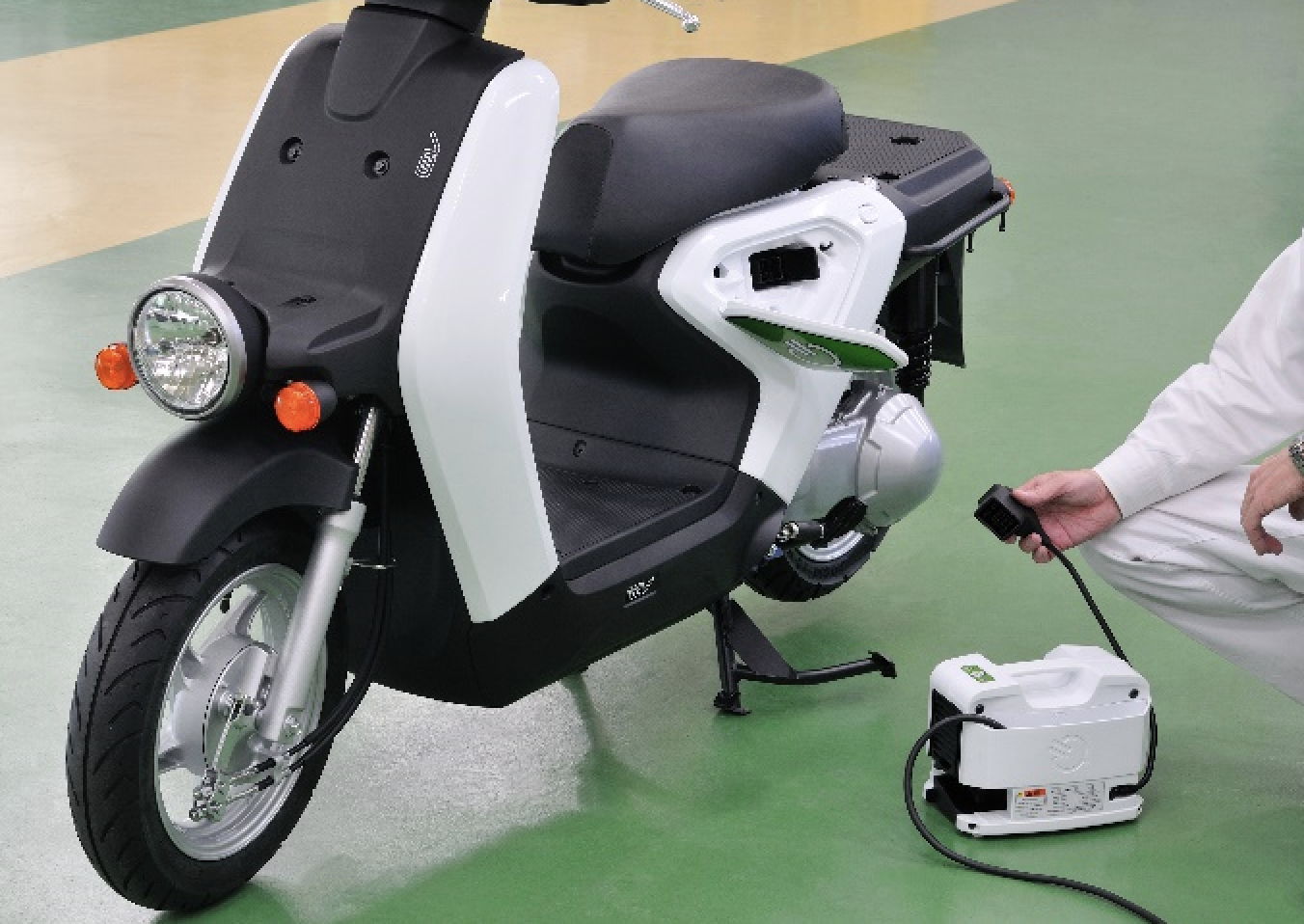
E‑scooter sales are booming.
In China, the GB 17761‑2018 standard was officially adopted in April 2019 to cover comprehensive bicycle safety, including electronic components. India and other markets are developing analogous standards that set limits on e‑bike registration—capping speed at 25 km/h, mandating lithium batteries, and requiring pedal attachment—to enhance rider safety.
As we look toward a future featuring flying cars and hoverboards, lithium‑based batteries will set the industry standard. Ensuring their safe operation is therefore essential, and robust battery monitoring is the key enabler.
Monitoring with a Purpose
A battery‑monitoring solution that provides real‑time data on cell voltage, current, and temperature delivers the confidence needed to design safer, higher‑capacity packs. Accurate sensing allows the system to trigger protective actions—such as disabling charging or discharging—before parameters exceed safe limits.
Temperature is a critical factor. At temperatures below 5 °C, Li‑based batteries lose performance and may be prevented from operating or charging. Above 45 °C, charging is curtailed to avoid overheating, and discharging is restricted as temperatures rise further. These limits help prevent thermal runaway—a condition that can cause battery swelling or even explosion.
For instance, Texas Instruments’ BQ76942 and BQ76952 monitor internal die temperatures as well as external thermistor readings. Their integrated thermal‑protection features automatically shut off charging or discharging when extremes are detected.

E‑bike powered by a lithium‑based battery.
Beyond temperature, voltage and current monitoring enables fine‑tuned control of battery health. If a cell’s open‑circuit voltage exceeds its rated charge voltage, the monitor flags over‑voltage and halts further charging, dissipating excess energy as heat. Similarly, over‑current conditions trigger protective switch‑FETs to safeguard the pack.
By combining precise voltage, current, and temperature data, designers gain the insights needed to optimize energy efficiency, extend cycle life, and guarantee rider safety.
Future Outlook
Choosing a battery‑monitoring solution that prioritizes safety and longevity should be a standard design practice for all e‑bike manufacturers. Advanced monitoring, coupled with refined production processes, will not only enhance safety but also amplify the environmental benefits of electric transportation.
We may not need roads as we move forward, but we’ll certainly need batteries that are safe, reliable, and efficient.
Additional Resources:
- Next‑generation battery monitors: how to improve battery safety while improving accuracy and extending runtime
- Improving temperature measurement accuracy in battery monitoring systems
- Improving voltage measurement accuracy in battery monitoring systems
- Currently questioning the accuracy of your battery monitor? Improve battery safety and accuracy with these tips
– Vikram Sundaram, Product Marketing Engineer, Texas Instruments.
>>> This article was originally published on our sister site, EE Times.
Related Contents:
- Electric vehicle success depends on better batteries, smarter charging
- The growing need for precision DC energy metering
- Reference platform supports EV power systems
- Emerging solutions enhance electric‑vehicle power management
- Assessing lithium‑ion battery life for implantable medical devices
- Using power analysis to optimize battery life in IoT devices
For more Embedded, subscribe to Embedded’s weekly email newsletter.
Embedded
- Revolutionizing Cold Chain Vaccine Management: Smarter, Cost‑Effective Solutions
- Understanding Battery Management Systems (BMS): Core Concepts and Key Components
- Maximize Asset Performance: Expert Guide to Equipment Commissioning
- Maintaining a Continuous Cold Chain: Safeguarding Vaccine Integrity and Efficacy
- AI-Driven Battery Health Monitoring Enhances Longevity and Safety
- 6 Proven Strategies to Optimize Your MRO Inventory Management
- U.S. Water Industry Embraces Global Best Practices in Asset Management
- 6 Proven Strategies to Optimize Warehouse Inventory Management
- Industrial Safety Management: Ensuring a Secure and Efficient Workplace
- Four Compelling Reasons Lithium Batteries Excel Over Lead‑Acid Batteries