



Develop Embedded Boards Remotely in Real Time with Planet Debug’s Hardware‑as‑a‑Service
MikroElektronika (MIKROE) has unveiled Planet Debug, a cutting‑edge remote embedded hardware‑as‑a‑service platform that lets designers develop and debug systems from anywhere. Starting at just $4 per day, engineers can book a dedicated station that matches their exact configuration, eliminating the need to purchase, ship, or assemble physical boards.
Using MIKROE’s NECTO Studio IDE, developers write and test code in real time on a remote station that is already wired, powered, and fully configured. This approach bypasses the traditional bottleneck of ordering hardware, waiting for delivery, and setting up the system on a bench.
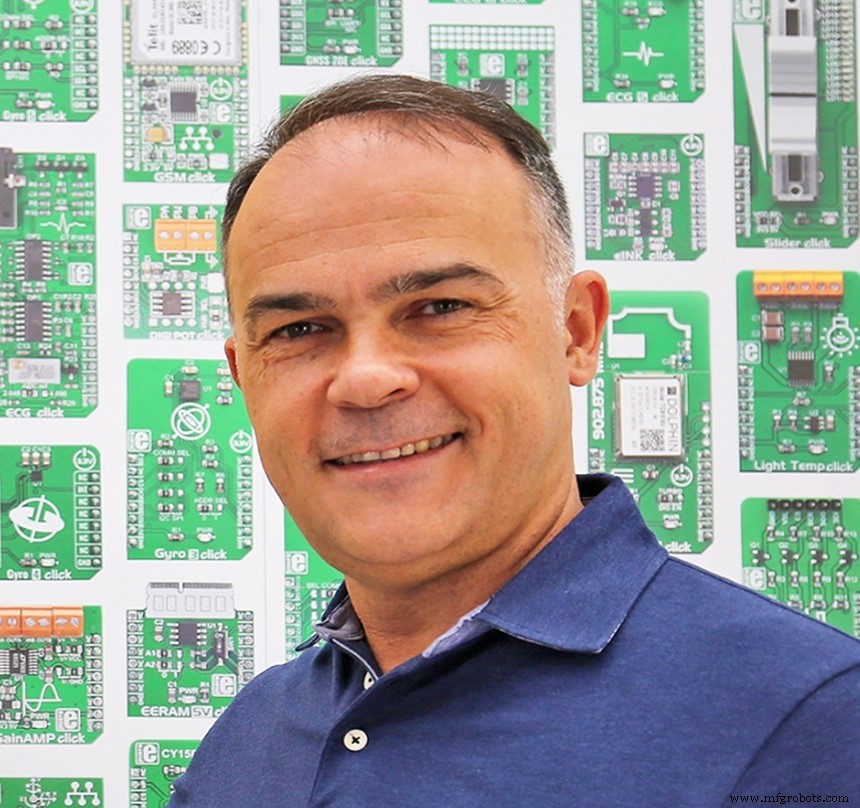
In an interview with embedded.com, CEO Neb Matic highlighted how Planet Debug mirrors the circular economy seen in other industries—sharing and renting hardware rather than buying it outright. “A single board can serve hundreds of engineers worldwide, regardless of time zone,” Matic explained. “This removes the wait and keeps developers moving forward.”
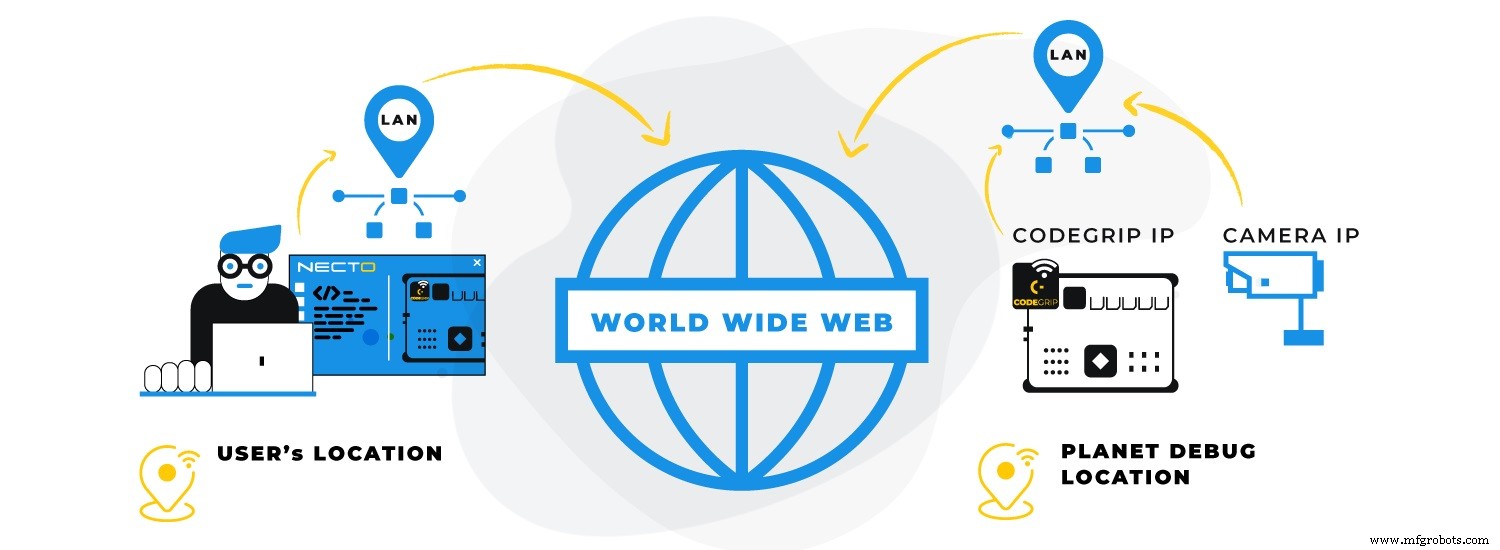
Matic added, “You can request a setup that includes a specific microcontroller, Wi‑Fi module, or display. Test its suitability in a day, then decide whether to purchase the final product. It’s a win for innovation and sustainability.”
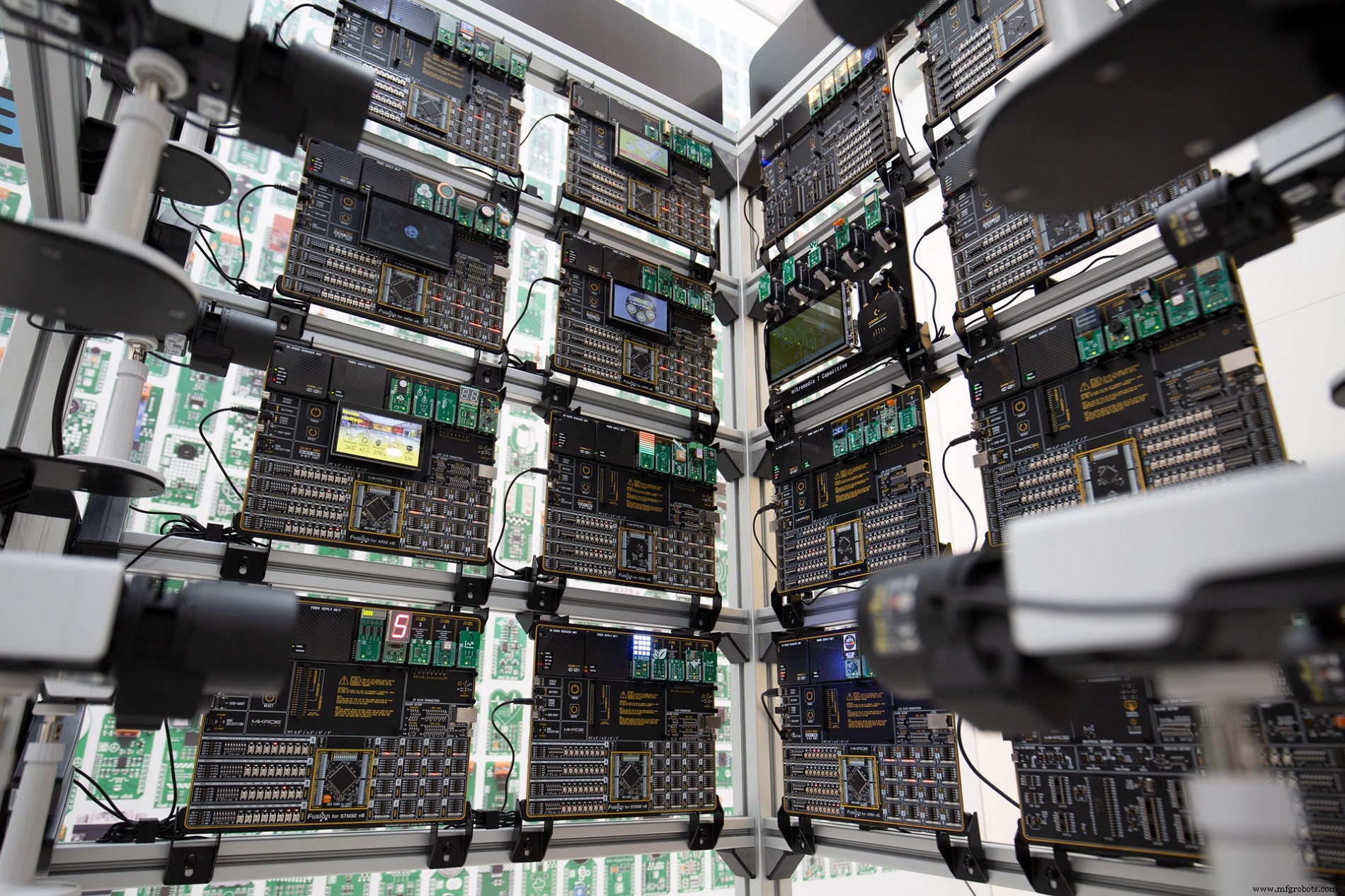
For teams committed to a long‑term hardware strategy, MIKROE still offers Fusion development boards, SiBRAIN MCU cards, and Click peripheral boards—typically around $400—to provide maximum flexibility and speed to market. Conversely, designers evaluating multiple options can reserve any of 74+ development boards on Planet Debug for just $4 a day. NECTO delivers a live feed of the board’s outputs, ensuring developers interact with real hardware, not a simulation.
Planet Debug’s capability is powered by MIKROE’s CODEGRIP, the world’s first Wi‑Fi‑enabled programming and debugging device. This integration eliminates the need for specialized software or new code when swapping peripherals, displays, or MCUs.
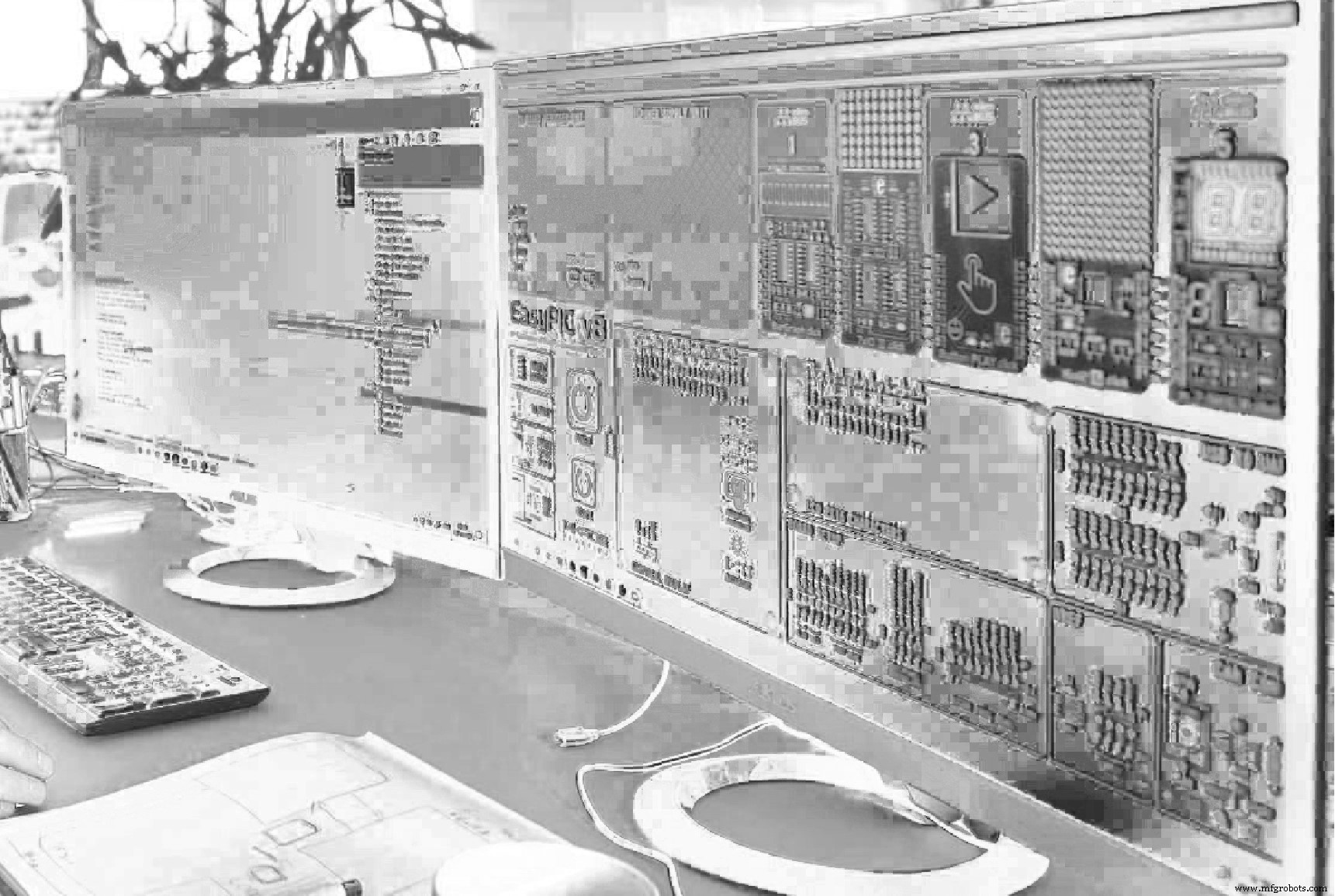
Planet Debug offers “try before you buy” across all use cases—students, educators, and industry professionals alike. In academic settings, shared resources and zero configuration accelerate learning. For commercial teams, rapid prototyping and adaptability to shifting market demands become possible, even amid global chip shortages.
Current Planet Debug hubs are located at MIKROE headquarters, the University of Novi Sad, Minnesota in the U.S., and Mexico. An Asian facility is slated for launch soon, but all locations are accessible to users worldwide.
“Hardware‑as‑a‑service is the future of embedded design,” Matic said. “Our journey began with the mikroBUS socket standard and Click boards in 2011. By integrating Clicks, SiBRAIN, Fusion, CODEGRIP, and NECTO into Planet Debug, we’re creating a unified platform that will transform how engineers build products.”
MIKROE pioneered the mikroBUS development socket in 2011, now adopted by major microcontroller vendors such as Microchip, Renesas, and Toshiba. The company also offers over 1,000 Click boards, SiBRAIN MCU add‑on boards, compilers, and a full suite of development tools—including smart displays and debugging hardware.
Related Content:
- EtherCAT Click is 1,000th board from 16‑pin mikroBUS inventor
- Mikroe sensor click board can take the pressure for $25
- Sfera Labs launches I/O module based on Raspberry Pi RP2040
Embedded
- Embedded Systems: Definition, Architecture, and Real‑World Applications
- OSM Standard Sets New Benchmark for Miniaturized Computer‑on‑Modules
- congatec Introduces SMARC 2.0 Module Powered by NXP i.MX 8M Mini Processor
- CatalystEX 4.5: New Features, Enhanced Compatibility, and GrabCad Print Integration
- Python timeit() – Measuring Execution Time with Practical Examples
- Arduino Temperature Monitor & Real-Time Clock Using a 3.2” TFT Display
- Real-Time Arduino Weather Clock: OLED Display for Time, Date & Temperature
- 5G & IoT: Driving the Next Wave of Digital Transformation
- Authentic Customer Feedback on WellPCB
- How to Safely Recycle and Repurpose Old Circuit Boards