



How AI Enhances IoT Operations: From Fast, Dumb Responses to Intelligent, Automated Management

Will Cappelli, CTO EMEA and Global VP of Product Strategy at Moogsoft, highlights how an Internet of Things (IoT) environment can perform flawlessly most of the time, yet still experience unexpected anomalies that demand swift, precise intervention.
The Traditional Approaches to IoT Incidents
Historically, incident response in IoT has been a simple signal‑to‑action loop. The system detects a fault and sends a notification to a responder—human or automated—who then executes a predefined fix.
There are two classic models:
1. Fast but Dumb – A hardwired trigger that sends a signal to a single responder, which typically performs one of a handful of actions (e.g., reboot a sensor or reset a network node). The advantage is speed; the drawback is limited adaptability.
2. Smart but Slow – Powered by log‑management platforms, this approach aggregates vast amounts of unstructured data, providing analysts with a broad set of options to craft a custom solution. While this can yield highly accurate outcomes, the latency can extend to weeks—unacceptable for real‑time IoT operations.
Why Use AIOps in IoT
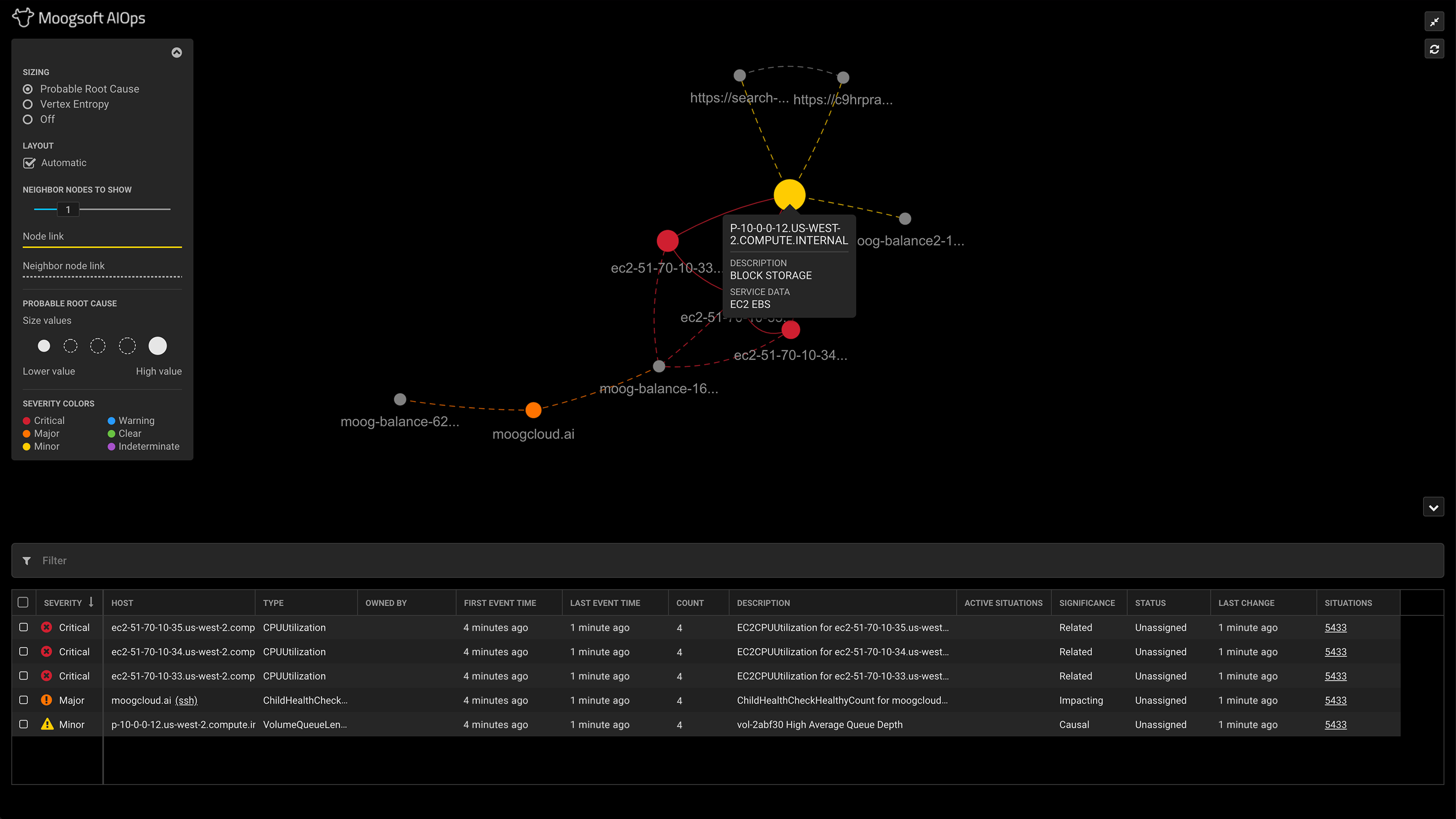
AIOps bridges the gap between speed and intelligence. By automating data analysis, it delivers a “fast but smart” response without compromising quality. AIOps continually learns from behavioral trends, enabling it to anticipate incidents before they occur and pinpoint root causes in a fraction of the time required by manual methods.
According to a 2023 Gartner report, AIOps can reduce incident response time by up to 70%, dramatically improving uptime for IoT deployments. It also streamlines redundancy orchestration—if a cluster of sensors degrades, AIOps can seamlessly redirect traffic to healthy devices, optimizing cost and performance.
AIOps and IoT Futures
While autonomous vehicles represent a long‑term vision, today’s “connected vehicles” illustrate a practical intersection of IoT and AIOps. By aggregating sensor data from multiple cars, a central service can identify congestion hotspots and dynamically adjust routing for all vehicles in the network.
In the foreseeable future, AIOps will become the invisible fabric of intelligence woven through every IP‑enabled device—from refrigerators to streetlights—enabling self‑healing and predictive maintenance at the edge.
Why IoT Needs AI
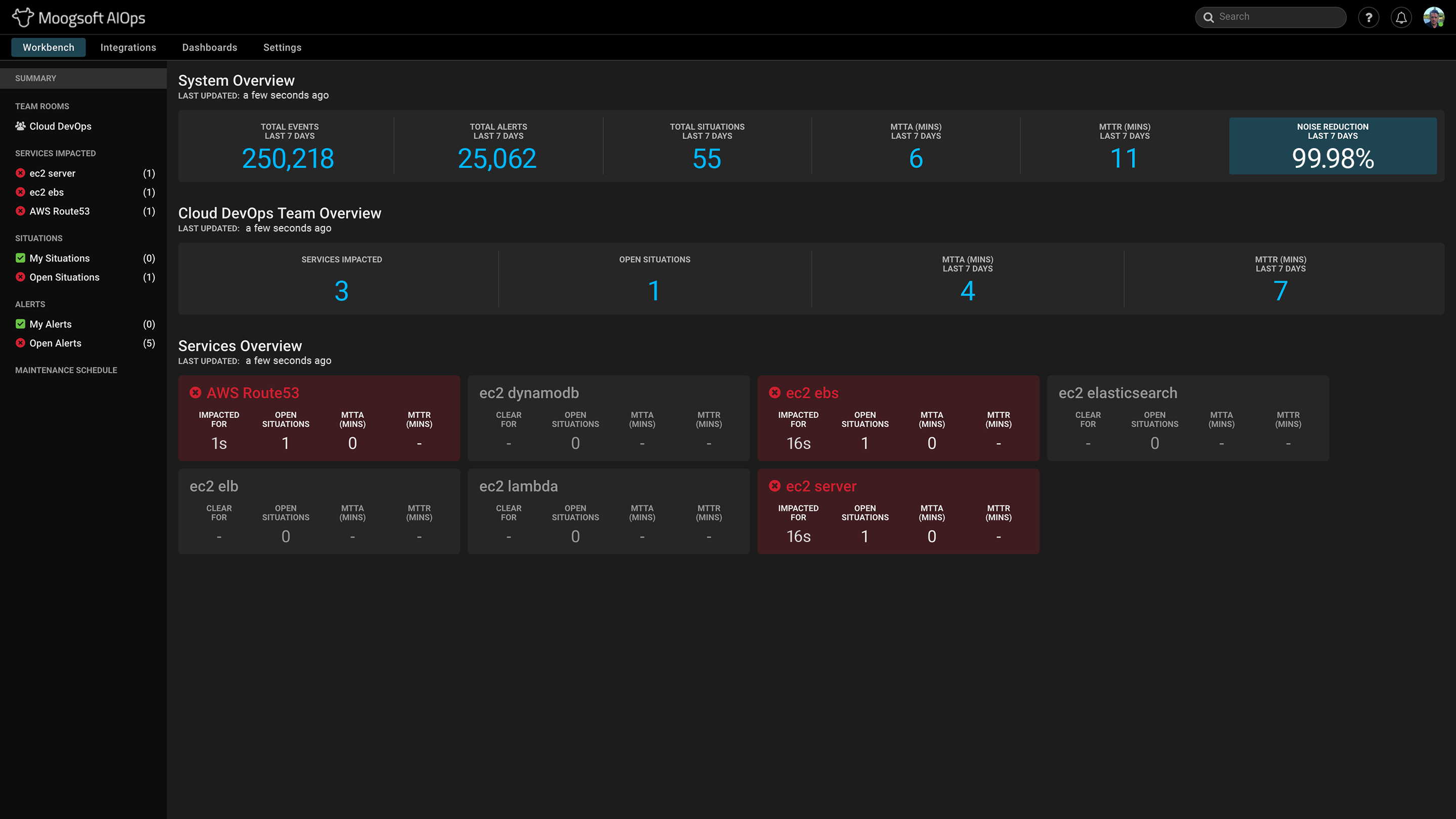
IoT’s sheer scale and modularity create a deluge of data that is too complex for human operators alone. AI is essential for:
- Filtering noise to highlight actionable insights.
- Identifying patterns that signal impending failures.
- Inferring causal relationships across distributed components.
- Communicating findings in real time.
- Automating corrective actions before issues affect users.
Unlike traditional IT, IoT devices are highly distributed, dynamic, and short‑lived. These characteristics amplify the need for AI‑driven, autonomous operations.
How IoT Will Shape the Evolution of AIOps
Current AIOps platforms tend to be centralized, funneling all data to a single analytical hub. IoT demands a shift to distributed analytics—AI must operate at the edge, processing data locally before sending distilled insights back to the core.
This transition will transform AIOps into a network of intelligent agents, each capable of rapid, context‑aware decision‑making. While this presents engineering and conceptual challenges, the industry’s rapid adoption of edge computing suggests a swift adaptation.
Author: Will Cappelli, CTO EMEA and Global VP of Product Strategy, Moogsoft
Internet of Things Technology
- How 5G Will Transform Industrial IoT: Boosting Automation, Reliability, and Connectivity
- Choosing the Right IoT Connectivity Module: A Practical Guide
- How IoT Will Transform Your Business
- How IoT and Robotics are Transforming Healthcare: Opportunities, Risks, and Real-World Impact
- IR Sensor 2.0: Driving the Next Wave of IoT Innovation
- Will IoT Finally Mature? Insights from Industry Leaders
- Revolutionizing Public Restrooms: IoT Fixtures and Wireless Power for Cleaner, Smarter Spaces
- How IoT Will Revolutionize Cold Chain Logistics
- 8 Key IoT Statistics Highlighting Its Transformative Impact Across Industries
- eSIMs Revolutionizing IoT: Faster, Safer, and Smarter Connectivity