



Smart Cities: Environmental Benefits, Data-Driven Decisions, and Economic Growth – Part 2
In the first installment of this series, we explored the practical and economic advantages of smart city technology. In this final chapter, Harikrishna Kundariya, co‑founder and director of eSparkBiz Technologies, discusses the environmental benefits and the transformative power of smart solutions.
Enhanced Citizen and Government Engagement
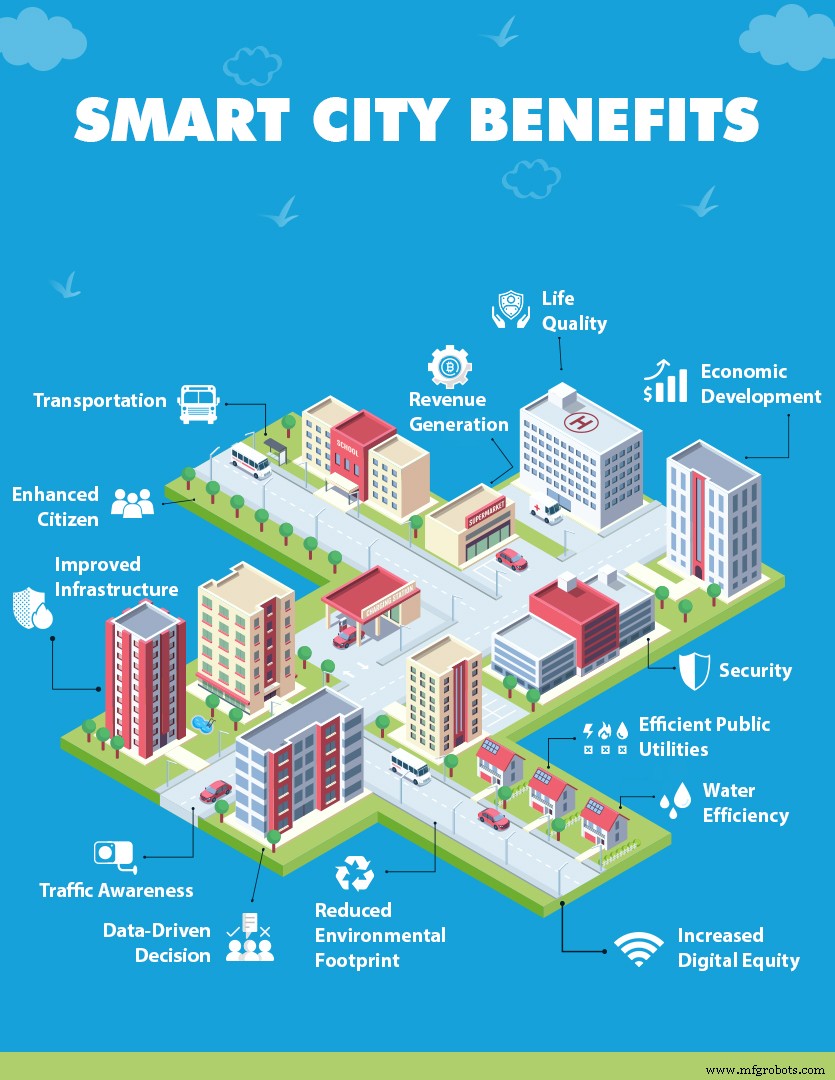
Modern residents demand intuitive, digital services—collaboration tools, self‑service portals, and mobile apps are now expected standards. Expanding these services not only makes a city more attractive but also strengthens the citizen‑government relationship through open data, interactive maps, performance dashboards, live‑streamed meetings, and an active social media presence. These mechanisms increase civic engagement and build trust.
Reduced Environmental Footprint
As global warming and pollution intensify, smart cities are actively mitigating environmental impacts. Energy‑efficient buildings, air‑quality sensors, and renewable energy sources help shrink ecological footprints. Sensors track air quality, pinpoint pollution sources, and supply actionable data, leading to measurable reductions in pollution.
Effective Data‑Driven Decision Making
Big data and connected devices provide a comprehensive view of city operations. A robust analytics strategy allows officials to monitor real‑time metrics, improve service levels, and reduce risk. For example, predictive policing can deploy resources to high‑risk areas, while population trend analyses guide infrastructure expansion and resource allocation.
Increased Digital Equity
Digital equity requires high‑speed internet and affordable devices for all residents. Public Wi‑Fi hotspots strategically placed across the city deliver reliable connectivity. Seattle’s plan, for instance, includes skills training, affordable device initiatives, and accessible internet services to ensure equitable digital access.
Economic Development Opportunities
Public investment in smart city projects can yield up to a 10‑fold return, driving significant GDP growth. Private partners frequently collaborate with governments, injecting millions into smart initiatives that enhance regional competitiveness. Open data platforms empower businesses to analyze citizen behavior and shape data‑driven strategies, fostering economic vitality.
Improved Infrastructure
Predictive analytics identify infrastructure vulnerabilities before they fail. Smart sensors detect structural changes—cracks, tilts, and other degradations—in roads, bridges, and buildings, prompting timely inspections and maintenance. This proactive approach saves taxpayer money and prevents catastrophic failures.
Efficient Public Utilities
Smart technologies conserve water and electricity, essential for limited resources. Leak‑detection sensors reduce water loss, while smart grids facilitate two‑way communication between providers and consumers, identifying peak usage and outages. Cape Town’s smart metering initiative cut water consumption by 40–60%, demonstrating the tangible benefits of data‑enabled resource management.
Quality of Life

Smart city initiatives that prioritize residents and visitors elevate overall quality of life. From smart parking and efficient transit to ubiquitous Wi‑Fi and digital government services, these technologies simplify everyday tasks, enhance well‑being, and promote inclusive, equitable growth across housing, health, education, and environmental domains.
Revenue Generation
Smart technologies not only reduce costs but also create new revenue streams. IoT solutions enable revenue‑generating initiatives such as intelligent tolling systems that curb parking fraud. By monetizing data—while respecting privacy and legal boundaries—cities can unlock additional public funding. Milton Keynes, for example, charges paywalls for data access, and sponsorships further supplement municipal budgets.
Conclusion
Transitioning to a smart city involves more than deploying new technologies; it requires thoughtful implementation that addresses real‑world challenges, enhances government operations, and improves residents’ daily lives. Community engagement, sustainable development, and a citizen‑centric approach are essential for long‑term success. Holistic, data‑driven, and inclusive smart city strategies deliver lasting economic, environmental, and social benefits.
The author is Harikrishna Kundariya, co‑founder and director of eSparkBiz Technologies.
About the author
Harikrishna Kundariya is a seasoned marketer, developer, and specialist in IoT, ChatBot, and Blockchain technologies. With over 8 years of experience, he delivers digital solutions to startups, focusing on IoT and chatbot integration.
Gravatar Mail ID: [email protected]
Internet of Things Technology
- Smart Lighting: The Cornerstone of a Truly Connected City
- LPWA Technologies Empower Smart Cities: Enhancing Air Quality and Water Management
- How Smart City Technologies Transform Urban Life – Expert Insights
- Why Community Engagement Drives Smart City Success – Part 2
- Building Management Systems: Powering Smart Cities with IoT
- Creating a COVID-Free Smart Building: How Technology Protects Occupants – Part 1
- Maximizing Value: How Procurement Management Boosts Your Company's Success
- How Automation Boosts Business Efficiency and Growth
- Bead Blasting: The Ideal Surface Finish for CNC Machined Parts?
- Preventative Truck Maintenance: Long-Term Benefits That Drive Performance and Save Costs