



Gesture Control: The Next Frontier Beyond Keyboards
Anyone who likes to binge‑watch TV while cooking knows the frustration of having to pause or skip an episode just to knead dough. Enter Bixi, a gesture‑controlled hub from French startup Bluemint Labs. The compact device connects to iOS and Android devices via Bluetooth LE and can send commands to smartphones, tablets, GoPro cameras, smart lights and other IoT gear.
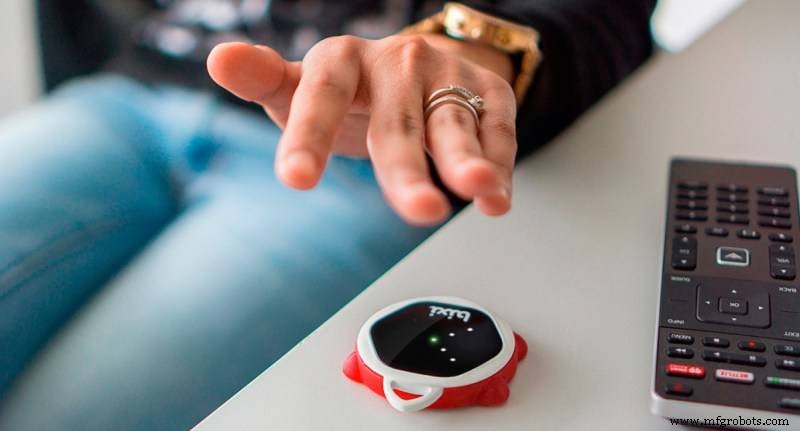
Bixi is more than a simple remote. Its onboard microphone and Alexa integration allow voice commands, while eight pre‑defined gestures—horizontal, vertical and diagonal swipes—give users instant, tactile control. The sensor suite can distinguish between gesture types with high accuracy, enabling precise actions such as adjusting lighting levels or starting a video stream.
At IFA 2017 I spoke with Pierre‑Hughes Davoine, Bluemint’s Chief Marketing Officer. He said the company is in talks with several automotive OEMs about embedding Bixi’s technology into future vehicle infotainment systems. The team plans to open the Bixi App API to developers, letting them create new use‑cases that can be sold as in‑app purchases.
Gesture‑based interfaces aren’t new. This year Ingenie’s research forecasted a future where cars forgo traditional keys in favor of biometric sensors—fingerprint, iris or even voice recognition—to unlock doors. On‑board displays would feature augmented‑reality touchscreens, and many driving functions would shift from physical buttons to gestures and voice.

Kinemic brings writing to the air
Founded in 2016, German startup Kinemic expands on Bixi’s concept by enabling users to write in the air—think of signing your name—and to operate a virtual mouse. The system captures hand motions with high‑precision sensors and translates them into commands for PCs, smartphones, wearables and AR glasses. Kinemic’s primary focus is the industrial sector, where the technology can boost safety, ergonomics and productivity. Pilots in the pharmaceutical and automotive industries, as well as a recent placement in Deutsche Bahn’s MindBox Accelerator, underscore its potential in high‑stakes environments.
MYO Armbands
Earlier this trend was pioneered by Canadian company Thalmic Labs with its MYO armband, which uses electromyography (EMG) to read muscle‑contraction signals. The low‑energy Bluetooth 4.0 connection streams the data to paired devices, allowing users to control computers, drones, and even surgical robots. Thalmic offers SDKs for Windows, macOS, iOS and Android, and an app marketplace where developers publish specialized use‑cases. Amazon’s Alexa Fund recently backed Thalmic’s Series B, though the company’s next strategic move remains unclear.
As manufacturers push beyond the smartphone, gesture and voice interfaces are reshaping how we interact with technology. Voice activation is already mainstream, and gesture control is poised to make a decisive leap forward in the coming years.
Internet of Things Technology
- ETSIIT Technical Challenge: From Students to Entrepreneurs with Locaviewer
- IXON Moves Global Headquarters to Boxmeer to Accelerate Growth and Innovation
- Remote Access Webinar FAQs – Comprehensive Answers
- IoT Workforce 2024: Bridging the Skills Gap with AI, ML, and Data Science
- Blink Two LEDs at Different Rates on Arduino Without delay()
- Gesture‑Controlled Robot Project: Build Your Own Motion‑Sensing Bot
- Highlights from JEC World 2019: Industry Innovations & Major Announcements
- Boost Equipment Reliability with Proven Statistical Process Control
- IIoT: Turning Industrial Buzzwords into Real Business Gains
- Elevate Your Grinding Operations: From Good to Great with Advanced Software & Automation