



The Security Seven: 7 Proven Strategies to Protect Your Factory from Modern Threats
This is part 1 of a 2‑part series. Next week we’ll reveal part 2.
Manufacturers that seamlessly integrate factory systems with enterprise networks unlock agility, efficiency, and profitability—evidenced by a recent Daimler Truck North America case study. Yet, each connection expands the attack surface. Legacy industrial control systems were built without security or IP connectivity in mind, making vulnerabilities proliferate when IT and OT intertwine. Hackers, meanwhile, are increasingly sophisticated.
Industrial Automation and Control Systems (IACS) historically rely on proprietary hardware and protocols that resist standard network security tools. Even when isolated from corporate IP, they often operate as open‑network machine islands with minimal or no protection. Why create such islands that limit business agility and growth when robust systemic security is essential? For guidance, consult our Buyer’s Guide: 10 Questions to Ask Your Industrial Control Cybersecurity Vendor.

The stakes are high. A recent Cisco Connected Factory white paper shows that cybersecurity delays can postpone digital value realization by up to five years, allowing competitors to leapfrog. Cisco’s 2016 Annual Security Report highlights that the industrial sector has some of the least mature security practices and lowest‑quality infrastructure. In this environment, a strong security posture is not just a safeguard—it becomes a sustainable competitive advantage.
As the adage goes, “The best offense is a great defense.” And while seven is a lucky number in many cultures, luck is no substitute for a deliberate security strategy.
Below are the “Security Seven” approaches that empower your factory to defend itself effectively.
- Create, Educate, and Enforce Security Policies
Many plants lack formal security policies. Begin by drafting clear, written policies and procedures that define who may access which assets, outline acceptable asset use, and establish reporting mechanisms for incidents. Include an incident‑response plan that details steps to restore critical production systems after a security event.
- Implement Defense‑in‑Depth Security
Each additional connection expands breach opportunities. No single technology can provide absolute protection. A holistic defense—combining physical, procedural, and digital layers (network, device, application)—is essential. Start with a mapping exercise to inventory every device and software on your network. Remember, air‑gap strategies are not foolproof; a compromised thumb drive can jeopardize an isolated machine.
Video: Defense‑in‑Depth for Manufacturing
- Strengthen Your First Line of Defense
Physical security is paramount. Internal threats—such as unauthorized floor access—can cause the most severe damage, including inventory theft, data loss, or IP theft. A comprehensive physical security system integrated with a secure wired and wireless industrial network protects PLCs and other critical assets. Use locks, keycards, video surveillance, device authentication, authorization, and encryption where feasible.
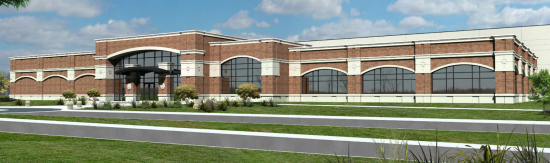
Del Papa Distributing, a regional beverage distributor, secured its 27‑acre Texas headquarters with Cisco solutions: video surveillance, access control, digital signage, and temperature sensors. IP cameras monitor the perimeter, warehouse, offices, and delivery gates. System alerts notify staff when restricted doors open, with live‑video links. Doors can be opened or closed via an IP phone button.
- Control Network Access with Device Profiling
Manufacturing floors now host employees’ tablets, phones, and other mobile devices, complicating network visibility. Device and identity profiling services let you monitor, authenticate, and control every user, device, and application on the network through centralized, policy‑based security.
Diebold, Inc. deployed Cisco Identity Services Engine (ISE) to protect its 87,000 devices across 77 countries. ISE profiles every device, streamlines guest and contractor access, and denies unauthorized connections—preventing downtime and security breaches.
We’ll share the remaining “Security Seven” items next week. For more factory security best practices, download our latest whitepaper:

To receive future manufacturing blogs straight to your inbox:

Internet of Things Technology
- How Hackers Target Cloud Environments – Strengthening Your AWS Security
- Justifying Factory Automation: Expert Insights on ROI, Implementation, and Best Practices
- The Hidden Cost of Inaction: Protecting Your Manufacturing Plant from Cyber Threats
- 3 Proven Ways GrabCAD Optimizes 3D Printing Workflows
- Securing Your IoT Product: A Practical Guide to Preventing Hacker Attacks
- Energy Sector Cybersecurity: How Collaboration Is Countering Emerging Threats
- Smart Security: Expert Strategies to Shield Your Home IoT Devices from Hackers
- IoT Security Lessons from Recent Breaches: Protecting Your Enterprise
- Securing the IoT from Hardware to Application: A Layer‑by‑Layer Blueprint
- How to Strengthen Your Smart Home’s Security: Expert Tips