



Justifying Factory Automation: Expert Insights on ROI, Implementation, and Best Practices
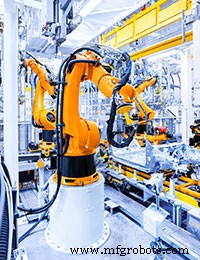 Historically, automation ROI studies were confined to simple Excel models that weighed machine depreciation and maintenance against labor savings and productivity gains. Sales conversations typically focused on three pillars: 1) competing with overseas markets by reducing labor costs or headcount, 2) whether industrial robots could outperform employees who need breaks and have shorter work cycles, and 3) demonstrable improvements in workplace safety and security.
As the industrial Internet of Things (IIoT) matured into a strategic business imperative, buyers shifted their focus to robot capabilities and the robustness of their security infrastructures. The increasing sophistication of robotic systems demanded deeper insight into decision‑making, especially as the COVID‑19 pandemic highlighted the need for fully automated solutions that could protect staff from virus exposure.
Today’s ROI analysis extends beyond raw machine and maintenance costs to include qualitative factors such as the advanced skills required for IT integration, ongoing support, and the overall impact on organizational resilience. Clients must now allocate substantial budgets for information‑system overhead, maintenance, and operating expenses before even considering a capital outlay for automation.
Pricing models have also evolved. While hard‑operations and maintenance costs remain important, intangible benefits—such as attracting and retaining high‑quality talent, safeguarding employee well‑being, ensuring endpoint security in remote‑work environments, and maintaining compliance with COVID‑19 social‑distancing guidelines—are now integral to the value proposition.
Tangible variable costs still matter: labor, energy, materials, ongoing maintenance, and production supplies. Intangible costs include training, management overhead, ergonomic concerns, and employee wellness. Tangible benefits encompass increased efficiency, elimination of redundancies, and reduced labor costs, while intangible benefits cover enhanced communication, reduced work‑in‑process inventory, and improved safety and retention.
During the pandemic, additional metrics surfaced: how to inspire and incentivize remote‑work staff, and how on‑site operations can maintain compliance with evolving social‑distancing rules.
Clients often face a strategic choice between autonomous robots that handle repetitive tasks and collaborative robots that work alongside humans. The decision hinges on business objectives, operational needs, budget constraints, and workplace size—underscoring the importance of clear, consultative communication.
Successful consultants recognize three key stakeholders in the sales process: the automation supplier, the machine operator/engineer, and the end customer. Each party has distinct expectations—programmers focus on machine connectivity, while customers prioritize tangible outcomes. A consultant must address these perspectives to justify the investment fully.
Critical questions include: Why is the customer purchasing the machine? What outcomes are they seeking? Which projects will the machine support? What are the primary goals?
Increased efficiency and reduced labor costs remain top priorities, but modern employers also demand rapid ROI through employee retention, workforce stability, and user‑friendly, customized solutions—especially for first‑time buyers wary of automation’s commitment.
The automation landscape is expanding—from simple autonomous mobile robots (AMR) to sophisticated collaborative robots and vision‑guided systems. Each type offers distinct advantages: collaborative robots enhance human‑robot synergy; AMRs excel at mundane autonomous tasks; vision‑guided robots provide high flexibility and productivity at a premium cost. Although some systems require higher upfront investment, they can quickly offset integration and operational expenses.
Would you like to learn more? Watch our webinar: How to Justify Automation.
Industrial robot
- The Hidden Costs of Ignoring Automation: How Industrial Firms Lose Profit, Jobs, and Flexibility
- Automated Screwdriving: Boost Efficiency, Mitigate Risks, and Spot Automation Opportunities
- Robotic Process Automation vs. Test Automation: Key Differences & Business Impact
- Ensuring Safe Operations: Why Robot Safety Matters on Your Factory Floor
- Navigating the COVID-19 Recession: Automation’s Role in Manufacturing Resilience
- Robotics in the Workplace: 3 Transformative Ways Automation Will Reshape Your Business
- Expert Guide to Precision Machining of Small Parts: Tools, Techniques, and Productivity Secrets
- Tracing Manufacturing’s Environmental Footprint: From the Industrial Revolution to Modern Automation
- Boosting Productivity Through Automation: Understanding Modern Employee Personas
- Transforming Manufacturing: Leveraging Automation & Robotics to Modernize Your Factory