



How IoT Data Management Drives Innovation: 4 Key Benefits
From autonomous vehicles to smart appliances, sensors are everywhere, turning everyday objects into data‑rich assets. While a toast‑ready notification is a novelty, the real value lies in automating complex processes and uncovering insights that save time and resources.
For manufacturers of connected trucks or operators of smart buildings, the IoT is fundamentally about people. Yet the way end‑users interact with devices is often unpredictable. Providing businesses with robust tools to capture, store and analyze real‑world usage data is essential to design products that truly meet customer needs. Field data—collected from the field—shapes every subsequent iteration of a product.
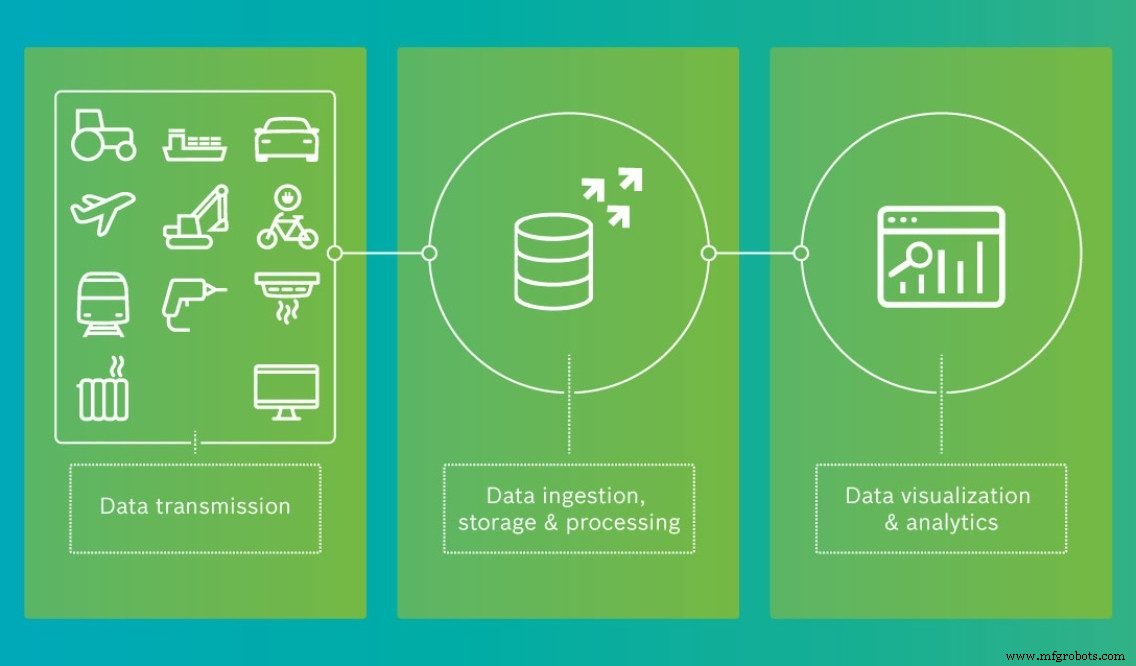
Using IoT Data Management to Create Better Products
IoT data management gives you a clear view of how devices perform in real conditions, exposing hidden patterns and challenging design assumptions. It transforms product development from guesswork to evidence‑based decisions.
Before launch, conduct a field test—just as a superhero prototype must survive real‑world trials. By monitoring usage, wear‑and‑tear, environmental stressors, and user behavior, you can predict product lifespan, refine feature sets and pinpoint potential failure points.
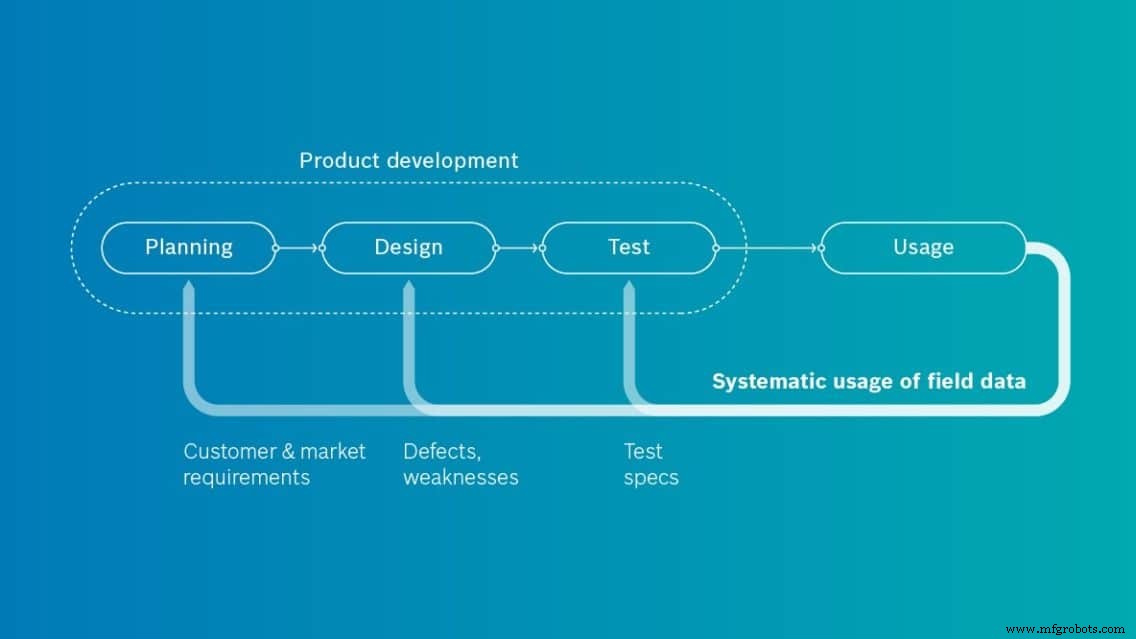
With this data, you iterate designs to deliver higher quality, smoother user experiences, and extend product life. For automotive OEMs, understanding component usage can prevent costly recalls and protect brand reputation. Post‑launch, continuous data collection fuels over‑the‑air updates, keeping the product competitive and uncovering opportunities for the next version.
Four Major Benefits of IoT Data Management for Your IoT Strategy
1. Understand Users’ Needs
Automation must serve human habits. By analysing in‑field sensor data, you discover whether features like weather‑based HVAC scheduling truly resonate or are routinely overridden. Adjusting algorithms based on real usage data improves relevance and adoption.
2. Predict Asset Wear
Connected infrastructure—bridges, floodgates, elevators—faces variable load conditions. IoT data reveals actual traffic patterns and stress points, enabling predictive maintenance schedules and preventing catastrophic failures.
3. Enable Resource Efficiency
Automation aims for efficiency, but intuition can be misleading. Real usage analytics let you optimize heating, lighting and space utilization in smart buildings, cutting energy waste and operational costs.
4. Create Effective Systems
Complex IoT ecosystems rely on seamless interaction among many devices. Comprehensive data capture and management expose inter‑device dependencies, detect anomalies early and validate end‑to‑end system performance.
Kick‑starting IoT Data Management
Christoph Grotz
Christoph Grotz has been a Solution Architect at Bosch.IO (formerly Bosch Software Innovations) since 2012. Passionate about the Internet of Things, he has led projects across Smart City, wireless sensor networks and connected products, with a strong background in backend development.
Customers often struggle with fragmented data solutions that drain budgets and time. Drawing on more than a dozen large‑scale IoT data‑management projects, Christoph highlights two decisive features:
- A ready‑made, standardized solution delivered as a service—simple to use and instantly deployable in the Bosch IoT Cloud or on customer premises.
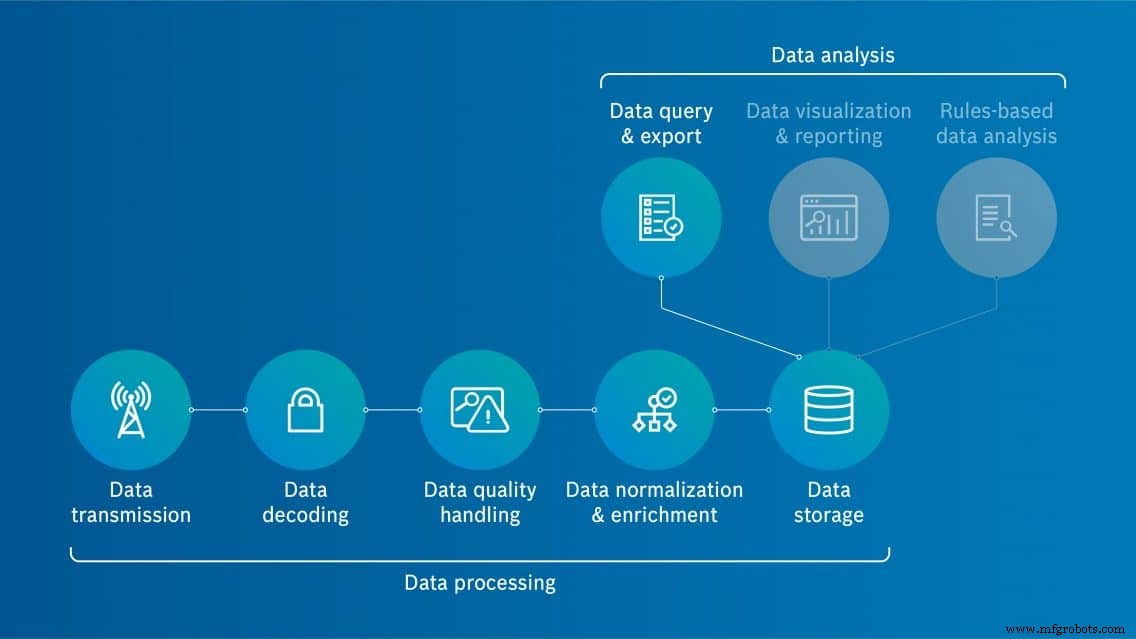
- Advanced vehicle‑market capabilities that decode proprietary and industry‑standard formats (ODX, Fibex, A2L, dbc, mdf). Raw data is archived for full traceability, while decoded, enriched data is securely accessible to data scientists.
From Guesswork to Informed Decisions with IoT Data Management
When handling vast, geographically dispersed IoT data, a solution that not only collects but also decodes, enriches, stores and interprets information is vital. Structured field data transforms product development from trial‑and‑error into data‑driven precision, enhancing quality, efficiency and operational simplicity.
Internet of Things Technology
- Connext DDS in Industrial IoT: 5 Key Insights for Reliability, Security, and Scalability
- Ensuring Data Compliance in the Internet of Things
- 5 Critical IoT Gateway Mistakes to Avoid – Lessons from Fingoti’s Pebl
- Top 3 Challenges in Preparing IoT Data for Industrial Success
- Democratizing the Internet of Things: Next‑Gen Satellite IoT Brings Universal, Affordable Connectivity
- Unlocking the Value of IoT Data: Secure, Insight‑Driven Strategies
- Leading Cloud‑Based IoT Analytics Platforms for 2026
- Three Powerful Ways Cloud Computing Enhances IoT Deployments
- Harnessing Cloud Power for IoT: Unlocking Seamless Connectivity & Data Insights
- How Analytics-Driven Product Engineering Enhances Design and Performance