



Apple AirTags in the IoT Landscape: What Businesses Need to Know
With the launch of Apple AirTags, consumer interest in asset‑tracking devices has surged. These trackers are essential for preventing loss and theft, and they fit within the broader Internet of Things (IoT) ecosystem.
An IoT platform is the connective tissue that brings together devices, networks, and applications. It aggregates data, manages devices, and delivers actionable insights.
So, how do AirTags integrate into IoT platforms? Let’s examine.
What Is an IoT Platform?
An IoT platform mediates between hardware and software, enabling seamless communication. Key functions include secure data collection, remote device configuration, device management, and cloud‑based firmware updates.
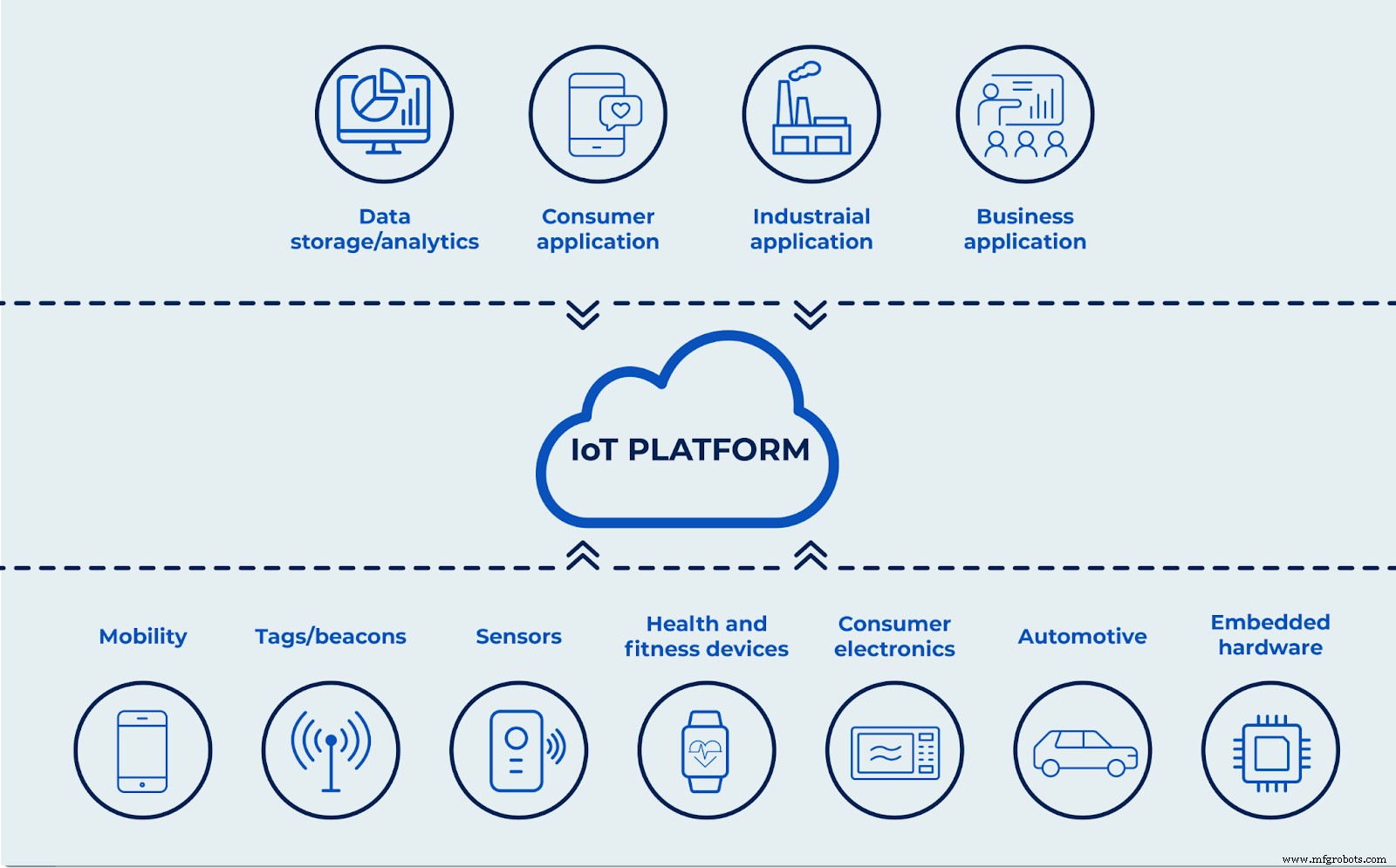
For real‑world use, an IoT platform must support a wide range of devices and integrate with third‑party applications. This hardware‑agnostic design simplifies management across diverse ecosystems.
AirTags do not offer this level of independence. They operate exclusively within Apple’s ecosystem, requiring an iPhone, iPad, or Mac for location tracking and software access, and rely on the user’s Wi‑Fi or cellular network. Consequently, they cannot be paired with non‑Apple devices or third‑party platforms.
In contrast, Link Labs AirFinder delivers a full‑featured IoT asset‑tracking solution that can be tailored to business needs, offering extensive integration options.
Key Features of a Robust IoT Platform
While each vendor’s feature set varies, a comprehensive platform typically includes:
Scalable Data Management
As the number of sensors grows, so does data volume. A scalable platform ensures performance and cost‑effectiveness as your network expands.
Advanced Analytics
Visualization tools and machine‑learning models turn raw data into actionable insights, supporting predictive and preventative maintenance.
Device Management
Centralized monitoring, firmware updates, and security patching protect critical assets and streamline operations.
Security
Built‑in encryption, secure authentication, and granular access controls safeguard data against cyber threats.
Business Benefits
- Cost Reduction: Centralized management eliminates labor‑intensive manual tracking, cutting operational expenses.
- Operational Efficiency: Real‑time visibility improves workflow, reduces downtime, and optimizes resource allocation.
- Enhanced Security: Identity management and secure networking reduce vulnerability to attacks.
AirTags vs. Link Labs AirFinder
Apple AirTags
Designed for individual consumers, AirTags lack the scalability, battery endurance, and enterprise‑grade data features required for large‑scale operations.
Link Labs AirFinder
AirFinder offers up to seven years of battery life, indoor and outdoor tracking, and a cloud platform that provides comprehensive asset analytics. It serves customers such as AT&T, Georgia‑Pacific, Halliburton, and Medtronic, demonstrating its suitability for manufacturing, hospitality, healthcare, and more.
Conclusion
Choosing an IoT platform that aligns with your business objectives is critical for productivity and security. At Link Labs, we build solutions that fit your industry’s unique demands. Request a demo today to see AirFinder in action.
Internet of Things Technology
- Integrating Qt with DDS: Building Scalable IoT Applications
- How IoT Is Mitigating Security Risks in the Oil & Gas Industry
- Secure IoT: Best Practices for Building Trustworthy Connected Products
- Choosing the Right IoT Platform: Insights from a 2,000‑User Survey
- AirFinder vs. AirTags: Why AirFinder Leads in Commercial IoT Asset Management
- Choosing the Right IoT Platform: A Practical Guide for Businesses
- Choosing the Right IoT Platform: A Practical Guide
- How Industrial IoT Platforms Power Transformation in Industry 4.0
- Harnessing IoT to Transform Oil & Gas Operations
- 5 Key Reasons IoT Projects Fail—and Proven Strategies to Succeed