



Asset Tracking Essentials: Choosing Between Spreadsheets, Barcodes, and Traditional Methods
For millennia, businesses have relied on written records to keep a finger on inventory and cash flow. From clay tablets to modern ledgers, the goal has remained the same: accurate, timely data that drives decisions.
Today, a handful of tools—spreadsheets, barcode scanners, and even the humble pen and paper—continue to serve that purpose. While each offers distinct advantages, none of them fully addresses the demands of outdoor asset tracking.
From Quill to Keyboard: The Evolution of Asset Management
In ancient marketplaces, merchants noted each purchase and sale on parchment. The ledger evolved into a system that could reconcile shipments, raw materials, finished goods, and equipment. Pen and paper were the only viable option until automation emerged.
Although this manual method works for a small storefront, it quickly becomes time‑consuming, error‑prone, and difficult to scale. A 650‑square‑foot home can be 3‑d printed in 24 hours—far faster than the time required to manually update paper records.
Barcode Asset Tracking: The First Leap into Automation
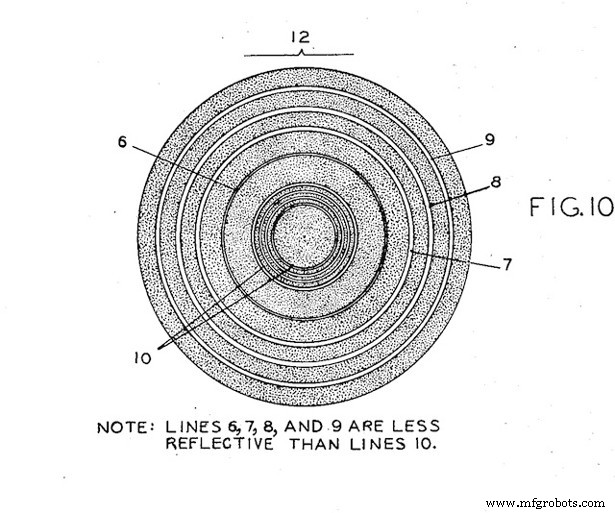
Barcodes, patented in 1949, were originally a series of thick and thin lines that a scanner could read. Grocery stores were the first industry to adopt them, and soon the technology spread to manufacturing, logistics, and retail.
Barcodes eliminated the need for human memorization, reduced transcription errors, and allowed assets to be tagged and tracked anywhere in the supply chain. By the 1990s, barcodes had become the backbone of warehouse management systems.
Spreadsheets: Bridging Paper and Automation
With the advent of cloud spreadsheets—Google Sheets, Microsoft Excel, and others—companies can now store barcode data in real time and share it across teams. This places them in Stage 2 of digital transformation on the IoT asset‑management spectrum.
1. Zero Cost Asset Tracking
Most businesses already own a computer and a spreadsheet application. By learning a few formulas and validation rules, you can create a free, custom inventory database that updates instantly.
2. Powerful Visualization
Spreadsheets excel at generating charts and graphs, turning raw numbers into actionable insights. For example, you can plot the daily demand of a SKU and forecast reorder points.
3. Basic Automation
With built‑in scripting (Google Apps Script, VBA) or third‑party add‑ons, you can trigger notifications when stock levels dip or when new rows are added. Smartphones can scan QR codes and push data directly into the sheet, automatically stamping the location and timestamp.
Despite these advances, human error still lurks—missed scans, duplicate entries, and inconsistent data entry can erode accuracy.
Advanced Asset Tracking: Toward Real‑Time Visibility
Modern solutions combine RFID tags, GPS, and cloud analytics to eliminate manual scans altogether. Sensors can detect when an asset enters or exits a zone, log its condition, and alert you in real time—all without human intervention.
For businesses that need to monitor assets in remote or outdoor environments—such as fleet management, construction sites, or field service—these high‑end systems are essential. They reduce labor costs, improve data integrity, and enable predictive maintenance.
Every organization’s needs differ. If you operate a single boutique, pen and paper might suffice. If you run a warehouse or supply chain, barcodes or a spreadsheet‑based system could be the next step. For large enterprises or outdoor operations, real‑time asset tracking is often the only viable solution.
Have questions about which technology fits your business? Contact us for a personalized recommendation.
Recommended Reading: What Is Asset Tracking and Related Questions

Internet of Things Technology
- Choosing the Right IoT Connectivity: XLE vs Bluetooth Low Energy for Enterprise Asset Tracking
- Bluetooth LE Outperforms UWB for Indoor Asset Tracking: Cost, Battery Life & Accuracy
- 9 Essential Features Every Asset Tracking Platform Must Offer
- Why Bluetooth Low Energy Drives Cost‑Effective Asset Tracking
- Choosing the Right Asset Location Technology for Your Business
- Is Your Business Ready for Contact Centre 2.0? A Proven Blueprint for Modern Customer Engagement
- PLCs: Unlocking Efficiency in Your Industry’s Automation
- 5 Key Factors to Evaluate Before Choosing 60‑Ton Haulers
- Get Your Construction & Landscaping Assets Ready for a Busy Summer
- Choosing the Right CNC VMC Machines for Your Workshop: A Practical Guide