



Atmosic & E Ink Launch Ultra‑Low‑Power Smart Badge Reference Design with Bluetooth SoC
Atmosic Technologies and E Ink have unveiled a reference design for eBadge applications that harnesses Atmosic’s ultra‑low‑power M‑Series Bluetooth Low Energy semiconductor technology, positioning the solution at the forefront of IoT innovation.
According to Markets & Markets, the smart badge market is projected to reach approximately $33 million by 2025, growing at a CAGR of 9.6% from 2020 to 2025. The surge is driven by the convenience and security of tamper‑proof digital identities and transaction capabilities.
A digital paper display consumes roughly 99% less energy than conventional LED displays used in televisions and mobile devices. For eBadge developers, the real advantage is that a static image on ePaper requires no power at all, mirroring the energy‑free experience of reading a printed page.
David Su, CEO of Atmosic Technologies, explained how the joint Atmosic‑E Ink solution—available with E Ink’s 2.9″ or 3.7″ black‑and‑white displays—delivers ultra‑low power consumption and multi‑year battery life, which can be further extended through optional on‑chip energy harvesting. The badge supports visual updates such as photos, location data, alerts, and text messages. Energy harvesting can effectively provide a virtually unlimited battery lifespan.
Su added, “Atmosic can store extra energy on a super‑cap, reducing battery size and enabling streamlined industrial designs. For example, a continuous typing keyboard (5 keys/sec) draws only 90 µA, while the same keyboard in idle mode consumes just 7.5 µA.”
Digital Paper
E Ink’s digital paper consists of microcapsules coated on a thin‑film layer. The ink particles—negatively charged white and positively charged black—recycle automatically when an electric field rearranges them to form new images. Energy is used only during these updates, making the display as energy‑efficient as printed text.
Unlike LCD screens that rely on backlighting, E Ink’s reflective display utilizes ambient light and pigments similar to traditional ink. Each microcapsule, roughly the diameter of a human hair, moves particles to the surface, rendering the desired color and creating a high‑contrast, glare‑free experience.
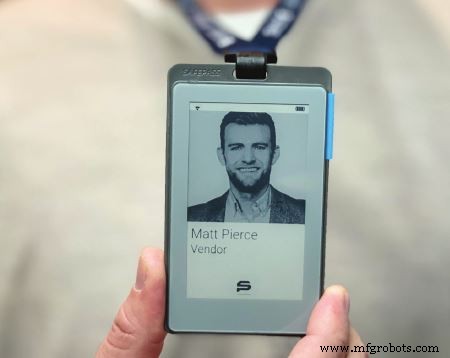
Figure 1: eBadge system (Source: SafePass)
eBadge for Industry
In the post‑COVID era, location tracking via eBadges enables efficient contact tracing. Organizations can quickly identify SafePasses that have come within a specified radius of other badges and share this data with health authorities. As many workplaces adopt hybrid models, eBadges become essential for recognizing employees who spend less time on campus.
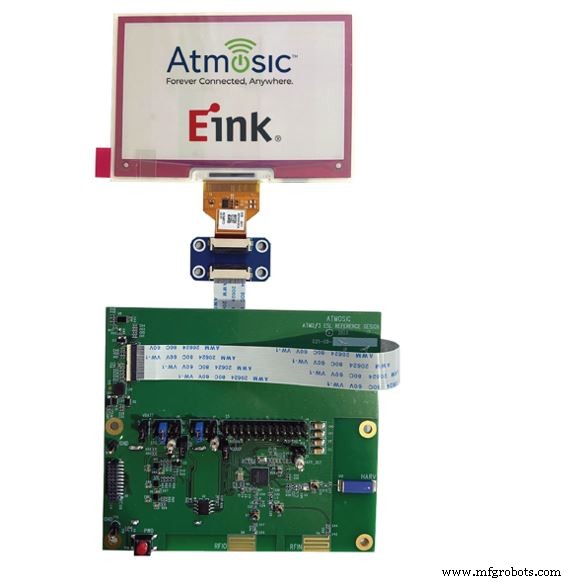
Figure 2: e‑Badge Reference Design (Source: Atmosic)
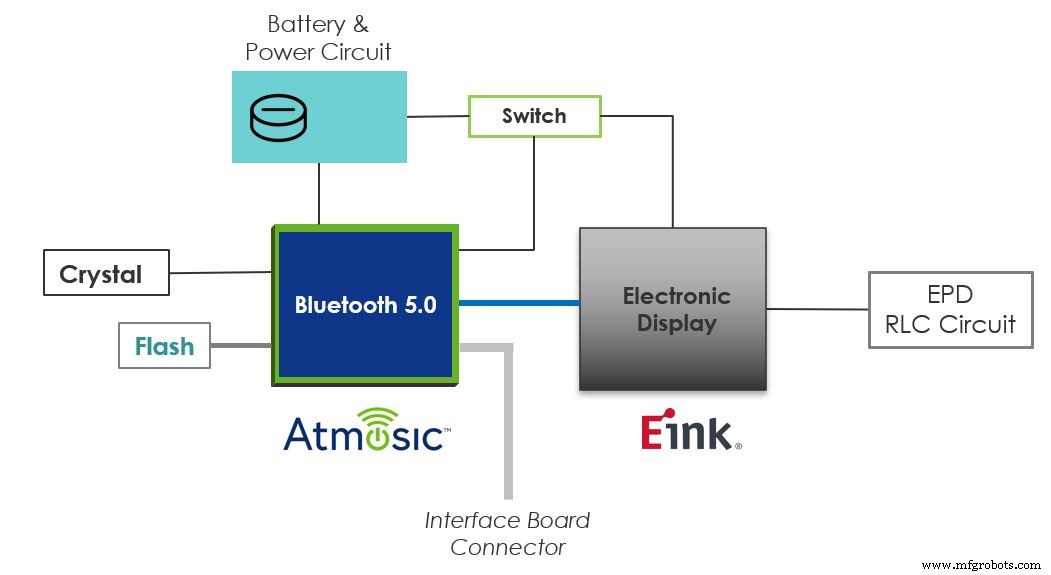
Figure 3: Schematic of eBadge (Source: Atmosic)
David Su highlighted that Atmosic’s low‑power budget enables developers to add a suite of features—secure, cost‑effective eBadge solutions that can operate on a single battery for multiple years. At the edge, energy can be harvested from ambient RF signals, or combined with a tiny super‑capacitor and a fingernail‑sized solar cell.
The eBadge’s design leverages the unique properties of electronic ink: the screen remains powered only during pigment movement, allowing a CR2032 button battery to sustain operation for over a month.
Using a small CR2032 battery, the kit can be mounted vertically or horizontally. The eBadge displays photos, location data, warning messages, and text. Energy harvesting can extend the badge’s lifespan to the theoretically unlimited.
The platform is built on Atmosic’s M‑Series, which incorporates Lowest Power Radio, On‑Demand Wake‑up, and Controlled Energy Harvesting—innovations that significantly reduce battery dependence for edge IoT devices.
• This article was originally published on our sister site, EE Times Europe.
Internet of Things Technology
- Three Ways Bluetooth Low Energy Drives Manufacturing Efficiency
- Why Bluetooth Low Energy Is the Smart Choice for Real‑Time Location Systems
- Bluetooth vs. Bluetooth Low Energy: How They Differ & Why It Matters for IoT (2021 Update)
- Bluetooth Low Energy vs. XLE in IoT Asset Management: Key Differences Explained
- Ultra‑Wideband vs. Bluetooth Low Energy: Choosing the Right RTLS for Your Business
- Why Smart HVAC Systems Are Revolutionizing Building Comfort and Efficiency
- Four Smart Metering Solutions Powering the Future Grid
- Bluetooth 5.1 SoC: Ultra‑Compact, Low‑Cost Solution for IoT Devices
- UK Smart Meters: Why Consumer Trust Remains Low
- Smart IoT Solutions: Reducing Energy Costs in Industrial Operations