



Accelerating Innovation: How Software Automation Transforms PCBA Manufacturing
Manufacturing remains the biggest bottleneck in the electrical engineering lifecycle, often extending project timelines to months or even years.
While software and design tools evolve rapidly, the manufacturing stage has lagged behind since the 1980s. This sluggish turnaround stifles engineers’ creativity and delays the introduction of new products. The solution is turning to software‑driven automation and the Industrial Internet of Things (IIoT) to dramatically shorten the manufacturing cycle.
Hundreds of IIoT‑enabled devices now collaborate to collect and exchange real‑time data, turning traditional factories into intelligent ecosystems. When paired with automated software workflows, manufacturers can uncover new efficiencies, reduce waste, and accelerate innovation.
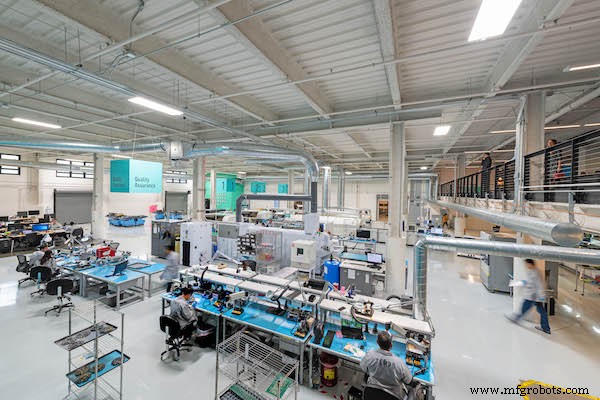
Figure 1. Inside Tempo's PCBA manufacturing facility.
Tempo exemplifies this shift by integrating software automation throughout its PCBA plants, targeting the prototyping bottleneck that has long plagued the industry.
The Design, Build, and Test Cycle
Prototype production follows a cyclical Design‑Build‑Test (DBT) loop (Figure 2). Engineers submit designs to the manufacturer, which builds the first prototype and returns it for testing. Each iteration validates concepts, identifies flaws, and refines solutions. Unfortunately, this loop can stretch weeks or months, especially in electronics where board assembly is labor‑intensive.
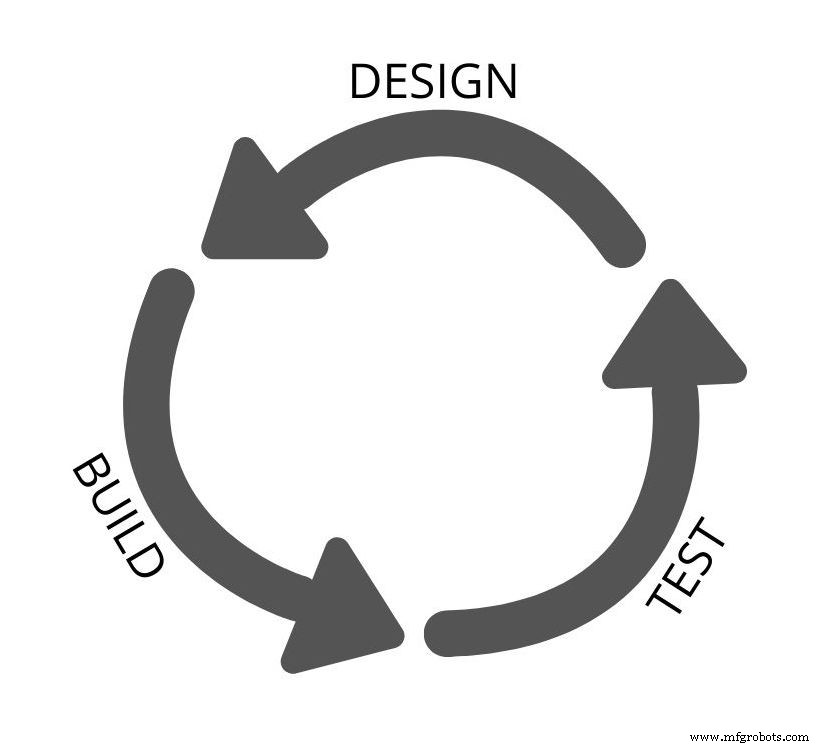
Figure 2. The DBT cycle is essential to the prototyping process.
Delays arise when design data is lost, misinterpreted, or altered, leading to costly re‑work and stalled communication. Traditional factories often rely on disconnected, analog equipment, creating isolated “islands” of technology that hinder collaboration and slow down the build phase. Engineers remain in the dark, unable to adjust designs in real time.
Root Causes of Prototyping Delays
Key pain points include:
- Data loss or misinterpretation between engineering and manufacturing teams.
- Inadequate communication, leading to multiple back‑and‑forth exchanges.
- Fragmented, analog factory environments that impede rapid decision‑making.
- Limited visibility for engineers into the status of their prototypes.
These challenges prolong the DBT cycle and constrain iterative development.
Smart Factories Enable Rapid Prototyping
By embracing IIoT networks and end‑to‑end software automation, smart factories are reshaping the traditionally slow PCBA workflow.
A digital thread automatically routes design data to machines and operators, allowing engineers to collaborate directly with manufacturers throughout the build. This transparency speeds up quality checks, reduces re‑work, and ensures that the final PCB meets specifications.
In a connected environment, robots, sensors, and personnel communicate in real time. Devices automatically configure, operate, and monitor control systems, creating a circular network that eliminates bottlenecks. Continuous data collection on temperature, humidity, equipment status, job progress, and defect rates feeds back into process optimization, enabling manufacturers to fine‑tune operations on the fly.
Software Automation in PCBA Manufacturing
High‑performance sectors—such as aerospace, medical technology, industrial automation, and automotive—rely heavily on PCBA. Yet traditional manufacturers struggle to deliver prototypes quickly, bottlenecking product development and stifling rapid iteration.
Smart factories that fuse software automation with IIoT eliminate many legacy constraints. They streamline sourcing, production, and shipping, while maintaining a seamless data flow from concept to finished product.
Tempo’s PCBA Smart Factory in Action
Tempo’s plant operates on a continuous digital thread that links customer engagement, order processing, parts procurement, manufacturing operations, and shipment. This integration reduces turnaround from weeks to mere days, even for high‑complexity boards.
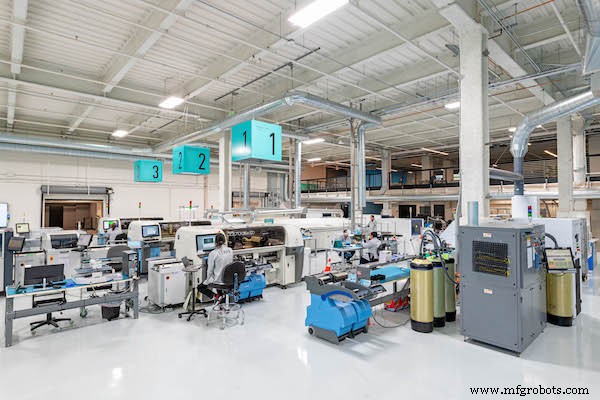
Figure 3. Inside Tempo's PCBA smart factory.
The combination of a user‑friendly quoting platform and a back‑end automation engine provides engineers with real‑time visibility into prototype status, dramatically shortening the DBT cycle and accelerating innovation.
Industry Articles are a form of content that allows industry partners to share useful news, messages, and technology with All About Circuits readers in a way editorial content is not well suited to. All Industry Articles are subject to strict editorial guidelines with the intention of offering readers useful news, technical expertise, or stories. The viewpoints and opinions expressed in Industry Articles are those of the partner and not necessarily those of All About Circuits or its writers.
Internet of Things Technology
- How Automation Drives Lean Manufacturing Success
- Why Manufacturing Execution Software Is Crucial for Maximizing Robotic Automation ROI
- Lean Manufacturing Demystified: Boost Efficiency with Flexible Automation
- Unlocking Organizational Success: How Automation Drives Efficiency and Growth
- Automation's Transformative Role in Modern Manufacturing
- Biz4Intellia: Optimizing Machine Downtime Analysis for Manufacturing Excellence
- How Technology is Transforming Tomorrow's Manufacturing
- Top 5 Manufacturing Automation Software for Business Growth
- How Advanced Manufacturing Systems Propel the Textile Industry
- 3D Printing: Driving Innovation & Rapid Growth in Manufacturing