



Designing IoT Devices for LTE and NB‑IoT: Expert Insights on Antenna Integration and Certification

Colin Newman, CEO of Antenova Ltd, shares how the telecom industry is advancing with LTE and NB‑IoT networks. First‑mover companies are already deploying IoT solutions that leverage these emerging standards.
While both LTE and NB‑IoT open new business opportunities, designers must adapt their product strategy to match the distinct capabilities of each network.
LTE – High‑Bandwidth, Data‑Intensive Applications
LTE extends 4G coverage, delivering faster, more reliable data for mobile devices. It excels in bandwidth‑heavy use cases such as real‑time video, multimedia streaming, CCTV monitoring, broadcast, and mobile gaming. Designers should ensure that their devices comply with strict LTE band allocation rules and achieve operator certification, which can be costly and time‑consuming. First‑time certification success is therefore critical.
NB‑IoT – Low‑Power, Massive‑Device Connectivity
NB‑IoT is engineered for low‑cost, low‑data applications. With a larger link budget and narrow bandwidth, it efficiently transmits large numbers of small, infrequent messages. Its low power consumption allows a single battery to last up to ten years, making it ideal for smart city deployments—smart parking, water management, environmental sensors, and asset tracking. Because NB‑IoT shares the LTE infrastructure, operators are already piloting it across the UK and Europe.
The Critical Role of Antenna Design
Every wireless device’s performance hinges on its antenna. Poor integration can degrade signal quality, increase power consumption, and shorten battery life. Key design considerations include:
- Minimizing coupling effects between multiple antennas to preserve output power.
- Accounting for environmental factors—metal surfaces, human body proximity, and the device’s enclosure—that can detune the antenna.
- Conducting rigorous tests in anechoic chambers and with phantom hands or heads to validate real‑world performance.
LTE antennas pose additional challenges. Because LTE bandwidth is dynamically allocated per user, devices must strictly adhere to network regulations, often requiring extensive testing and certification. NB‑IoT designers, meanwhile, focus on antenna placement that optimizes energy efficiency without compromising signal strength.
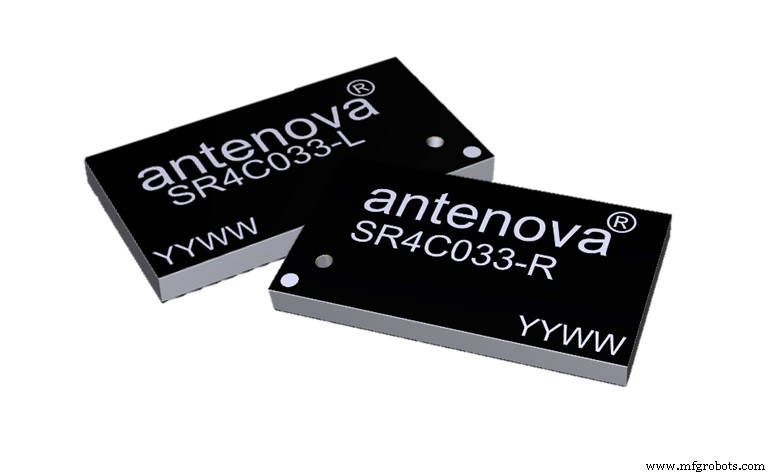
Antenova is pioneering solutions that simplify antenna integration for product designers. Our free online tools assist with early design decisions—selecting the right antenna, determining optimal placement on the PCB, and evaluating performance before moving to certification.
Many companies launch their designs after collaborating with us, but our advice remains consistent: address antenna integration from the outset of the design process. With the wireless market expanding rapidly, expertise in antenna design is becoming a decisive competitive advantage.
Author: Colin Newman, CEO of Antenova Ltd
Internet of Things Technology
- Cisco 1G Bidirectional Transceivers: Boosting Service Provider and IoT Network Efficiency
- Verizon and AT&T Deploy LTE‑M1 to Power Nationwide IoT Coverage
- 5 Key Wireless Standards Powering IoT Connectivity
- HaLow: A Game‑Changing Low‑Power Wireless Standard for Large‑Scale IoT
- IoT Connectivity Revolution: New MVNO Models Threaten Traditional Operators
- IoT: Driving the High Street’s Digital Renaissance
- Industrial IoT: Key Building Blocks Driving Industry 4.0
- Exploring Cutting-Edge IoT Innovations & Real-World Applications
- Edge & IoT: Harmonizing Data for Digital Success
- How IoT and Emerging Tech Are Revolutionizing Healthcare: Key Benefits & Applications