



Augmented Reality: The Future of HR and Workplace Innovation
Today’s work environment is rapidly evolving, driven by breakthroughs in automation, robotics, virtual reality and cloud computing. Among these, augmented reality (AR) stands out as the technology set to reshape how we learn, collaborate and operate. Hannah Jeacock, research director at MHR, argues that AR’s blend of digital overlays with the physical world will unlock new possibilities for human resources and beyond.
What is AR?
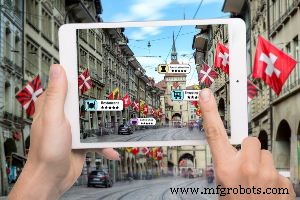
Augmented reality superimposes computer‑generated information—images, data, graphics—onto the real world in real time, creating a seamless fusion of the tangible and the virtual. By using AR headsets or smartphones, users see their surroundings enriched with contextual digital layers.
Typical AR Applications
AR first captured mainstream attention with the 2016 mobile phenomenon Pokémon Go, where players chased digital creatures across real streets. Since then, the technology has matured into a range of practical tools:
- Retail & Shopping – Customers can preview furniture in their living rooms or virtually try on apparel and accessories, making purchasing decisions more informed.
- Navigation – GPS‑powered AR apps overlay directions, street names and distances directly onto the user’s field of view, streamlining urban mobility.
- Sightseeing & Tourism – Visitors receive contextual information about landmarks, historical narratives and point‑of‑interest details as they move through cities.
- Industrial & Maintenance – Technicians wear AR headsets to receive step‑by‑step visual guidance while repairing machinery, reducing errors and training time.
These examples illustrate AR’s potential to replace static brochures, printed maps and traditional manuals with dynamic, interactive experiences.

As Google’s VR and AR director Greg Jones notes, “At some point we’re going to look back and think ‘how did we not have a digital layer on the physical world?’” This sentiment underscores AR’s transformative promise.
AR’s Impact on the Workplace
AR can redefine office dynamics by turning any space into a fully customized, three‑dimensional workspace. Digital notebooks, file repositories, and even virtual meeting rooms can be summoned with a gesture, eliminating the need for traditional desks and monitors. Employees working remotely or on the move would still access the same rich, interactive tools they would in a physical office. Moreover, AR can elevate brand engagement. A conference booth equipped with AR overlays can capture attendee attention far more effectively than static signage. Meetings, too, could become immersive sessions where data visualisations and collaborative tools appear in the air rather than on a slide projector.
AR Transforming HR Functions
Human resources processes—especially onboarding and learning & development (L&D)—can benefit enormously from AR. Traditional inductions often rely on slide decks and printed handouts, which can feel impersonal. An AR‑powered tour of the campus can reveal key locations, historical anecdotes and introductions to colleagues as new hires physically move through the building, turning orientation into an engaging, memory‑rich experience. In L&D, AR can shift learning from passive lecture to active participation. Trainees can practice skills in a simulated environment that reacts in real time, enhancing retention and competence. For instance, a safety training module might let employees navigate a virtual plant, identify hazards, and receive instant feedback.

These use‑cases demonstrate that AR is more than a novelty; it is a strategic asset for talent engagement, upskilling and workforce retention.
By augmenting human capabilities rather than replacing them, AR fosters a more efficient, effective and enjoyable work experience. As organisations adopt AR, they can expect a measurable boost in employee satisfaction and performance.
The author of this article is Hannah Jeacock, research director at MHR. With 14 years of experience in the software industry, Hannah has led the implementation of numerous digital solutions across diverse sectors.
About the Author
Hannah Jeacock is research director at MHR. Her extensive background in software development and project delivery positions her as a thought leader in emerging HR technologies.
Internet of Things Technology
- Launch Your Career in Industrial IoT: Opportunities for New Graduates
- Autonomous Vehicles: Telecom Operators’ New Frontier in Passenger Entertainment
- The Internet of Boxes: How Smart Packaging Is Revolutionizing Business
- Sustainability: The Next Priority for Wireless Technology
- Flexible Hybrid Electronics (FHE): Revolutionizing Manufacturing with a New Electronics Platform
- NASA Introduces Next-Gen Spacesuits for Artemis Moon Missions
- Augmented Reality: The IoT Solution That Empowers People
- Augmented Reality: The New UI for Industrial IoT Operations
- Discover the Next Big Innovation in Your Shop – Insights from Top Shops Award Winners
- Why Chemical-Free PCBs Are the Future of Sustainable Electronics