



The Internet of Boxes: How Smart Packaging Is Revolutionizing Business
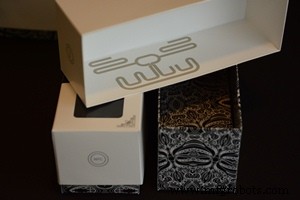
The Internet of Things (IoT) is no longer limited to smart TVs, refrigerators, or phones. It’s also transforming the very cardboard that delivers those devices. Intelligent, connected packaging—what some are calling the “Internet of Boxes”—is reshaping how companies manage inventory, protect products, and even build new business models.
Better Boxes, Better Business
Warehouse operations involve dozens of steps—from shelf‑stacking to inventory counting—each presenting opportunities for data loss. According to Teemu Salmi, CIO of Stora Enso, adding RFID tags to boxes and linking them to cloud services creates a digital packaging ecosystem. This system generates, analyzes, and translates data into actionable insights, giving businesses real‑time visibility into stock levels and locations. The result is a significant reduction in time spent on manual counting and an improvement in data accuracy.
Box Forts – Protecting Brand Owners and E‑Shoppers
As NFC and RFID technology become increasingly affordable, even standard cardboard can guard against theft, damage, and counterfeiting—issues that cost businesses and consumers billions each year. NFC‑enabled RFID tags allow companies to track packages in real time and alert staff if an item strays from its expected route. Customers, in turn, can scan a box upon delivery to verify authenticity.
By combining RFID with low‑cost sensors, firms can monitor tampering and transit damage. Sensors detect changes in a package’s angle or the integrity of its seal, and can even indicate whether perishable goods have spoiled. Such alerts give manufacturers the chance to intervene before a product reaches the consumer, while shoppers gain confidence that they’re receiving a quality product.
A Smarter, Better Environment
Wood‑fiber packaging already offers a superior environmental profile compared to plastics. Adding intelligence to cardboard can further reduce waste. Enhanced stock management prevents over‑ordering, minimizing unnecessary packaging and product spoilage. Smart sensors that detect spoilage are a powerful tool for cutting food waste.
Digitalized packaging could also streamline recycling. A 2016 WRAP survey found that two thirds of UK households were unsure which bin to use for certain items, and nearly half disposed of recyclable materials. Imagine a scenario where a consumer simply taps their smartphone against a package and instantly learns how to recycle it in their local area.
Brave New World
Beyond improving existing processes, intelligent packaging could enable entirely new business models. Retailers are already experimenting with fully digital stores—no checkout lines, automated item registration, and direct charges to customer accounts. Amazon has piloted this concept, and the combination of RFID and NFC is poised to accelerate its broader adoption.

Packaging may seem like a basic commodity, but its role in the IoT ecosystem is far from trivial. As businesses and consumers increasingly explore connectivity, the Internet of Boxes could become one of the most transformative developments in our journey toward a fully digital society.
The author of this blog is Teemu Salmi, CIO at Stora Enso.
Internet of Things Technology
- Launch Your Career in Industrial IoT: Opportunities for New Graduates
- Multi‑Material 3D Printing: The Future of Additive Manufacturing
- Unlocking Hidden Oil Reserves: How Nanoscale Science is Driving a New Boom
- Internet of Packaging: Driving a Revolution in the Global Packaging Industry
- Top 4 Challenges Facing the Industrial Internet of Things (IIoT)
- Augmented Reality: The Future of HR and Workplace Innovation
- Sustainability: The Next Priority for Wireless Technology
- Flexible Hybrid Electronics (FHE): Revolutionizing Manufacturing with a New Electronics Platform
- Discover the Next Big Innovation in Your Shop – Insights from Top Shops Award Winners
- Why Chemical-Free PCBs Are the Future of Sustainable Electronics